
Featured Photographer: Don Casper - “265 Screens”
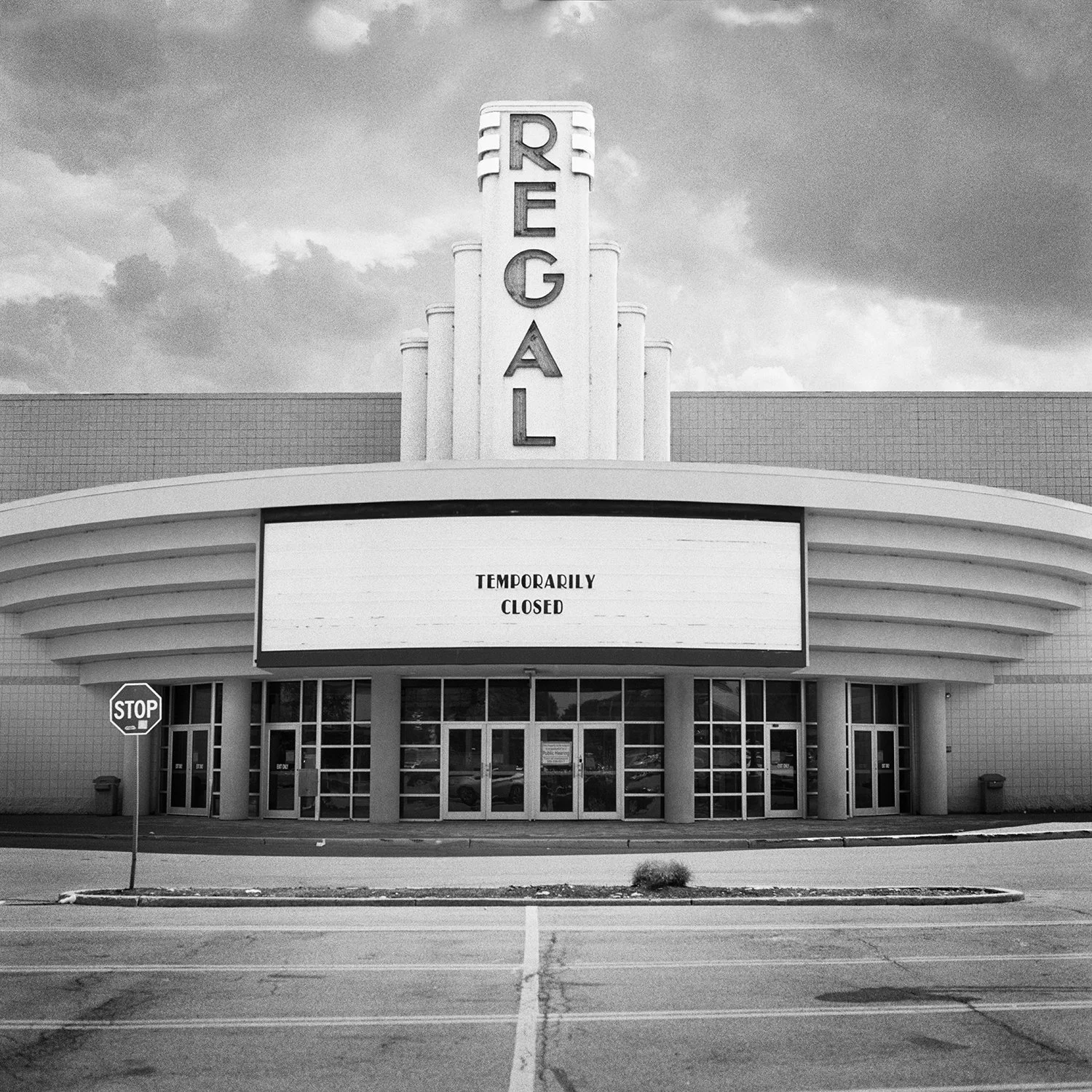
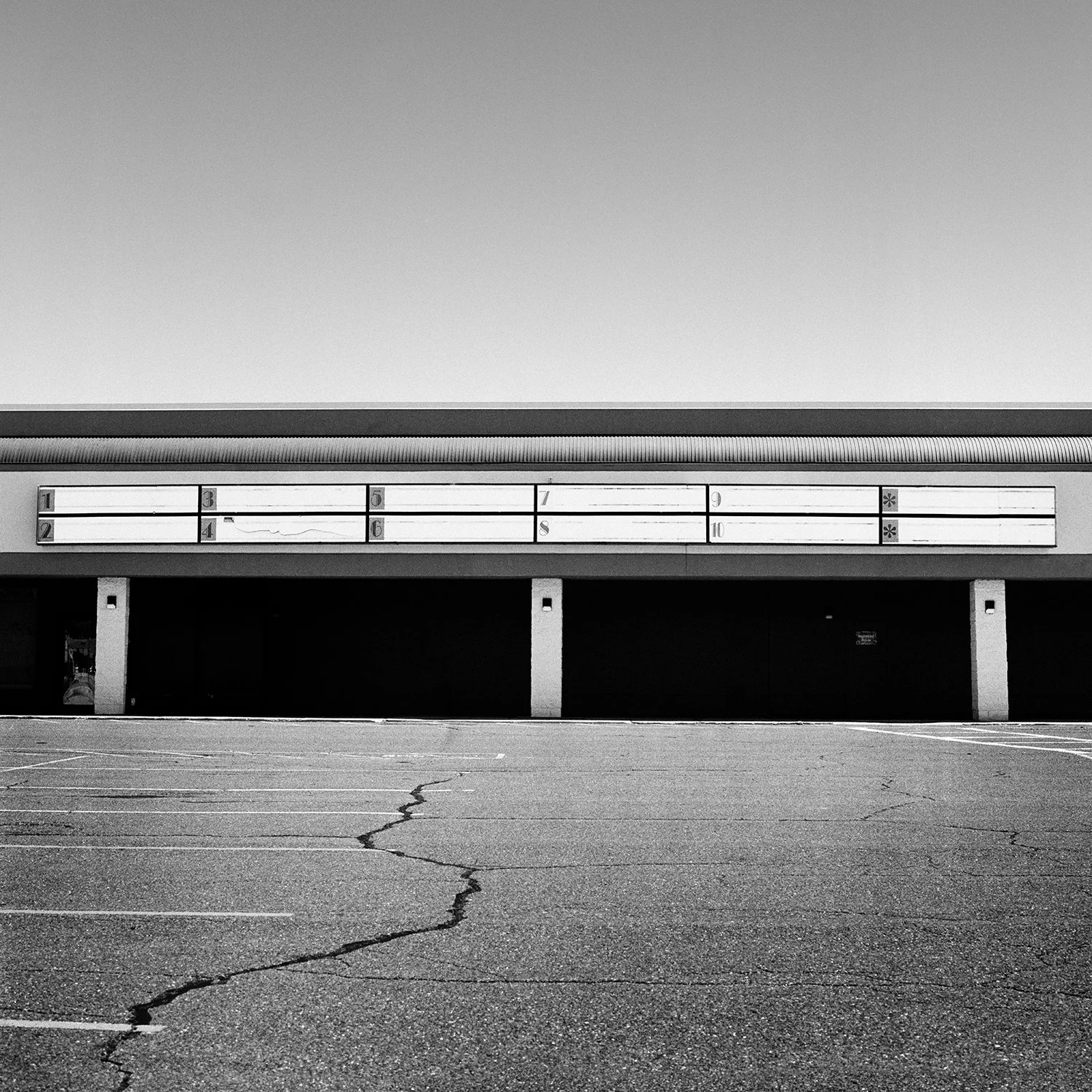
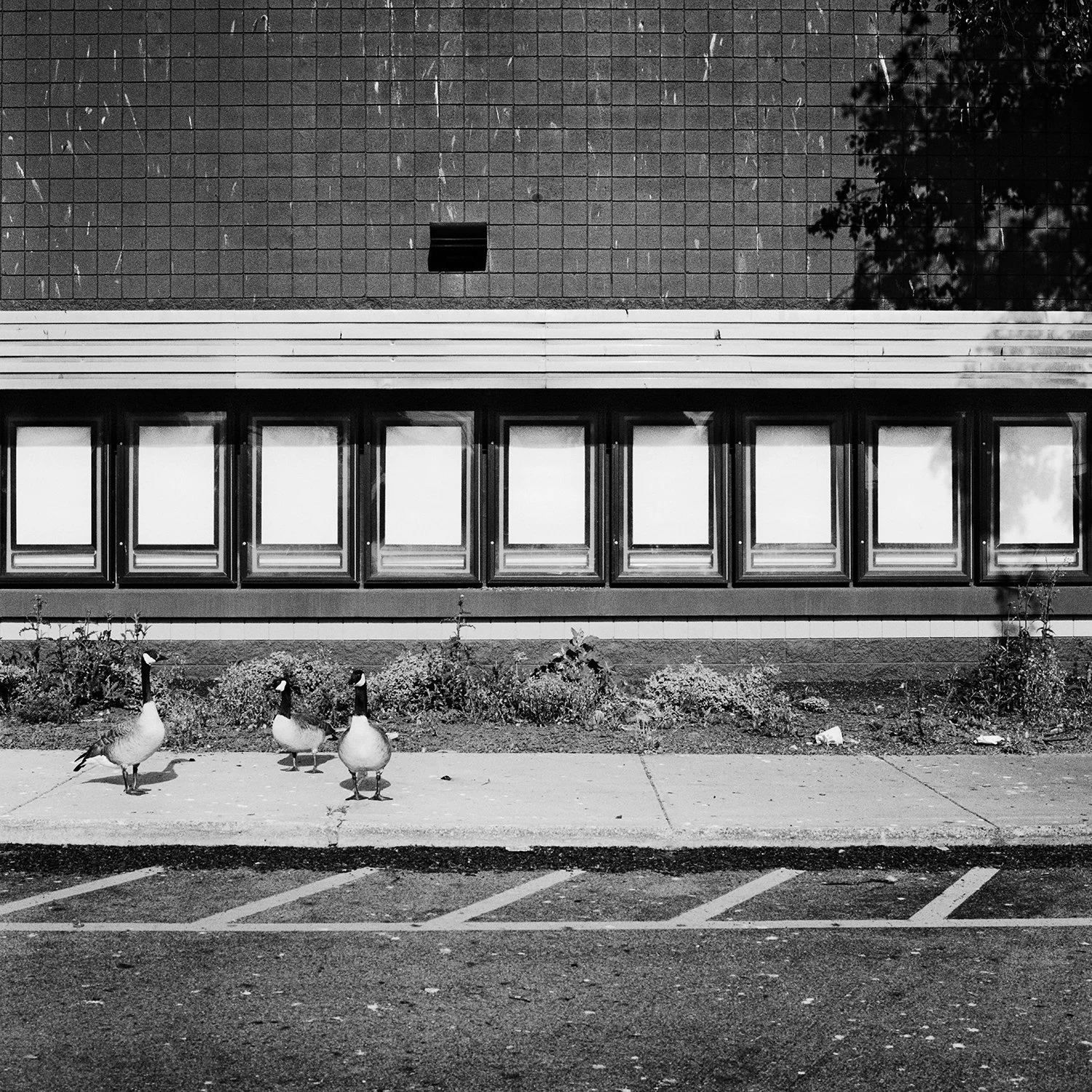
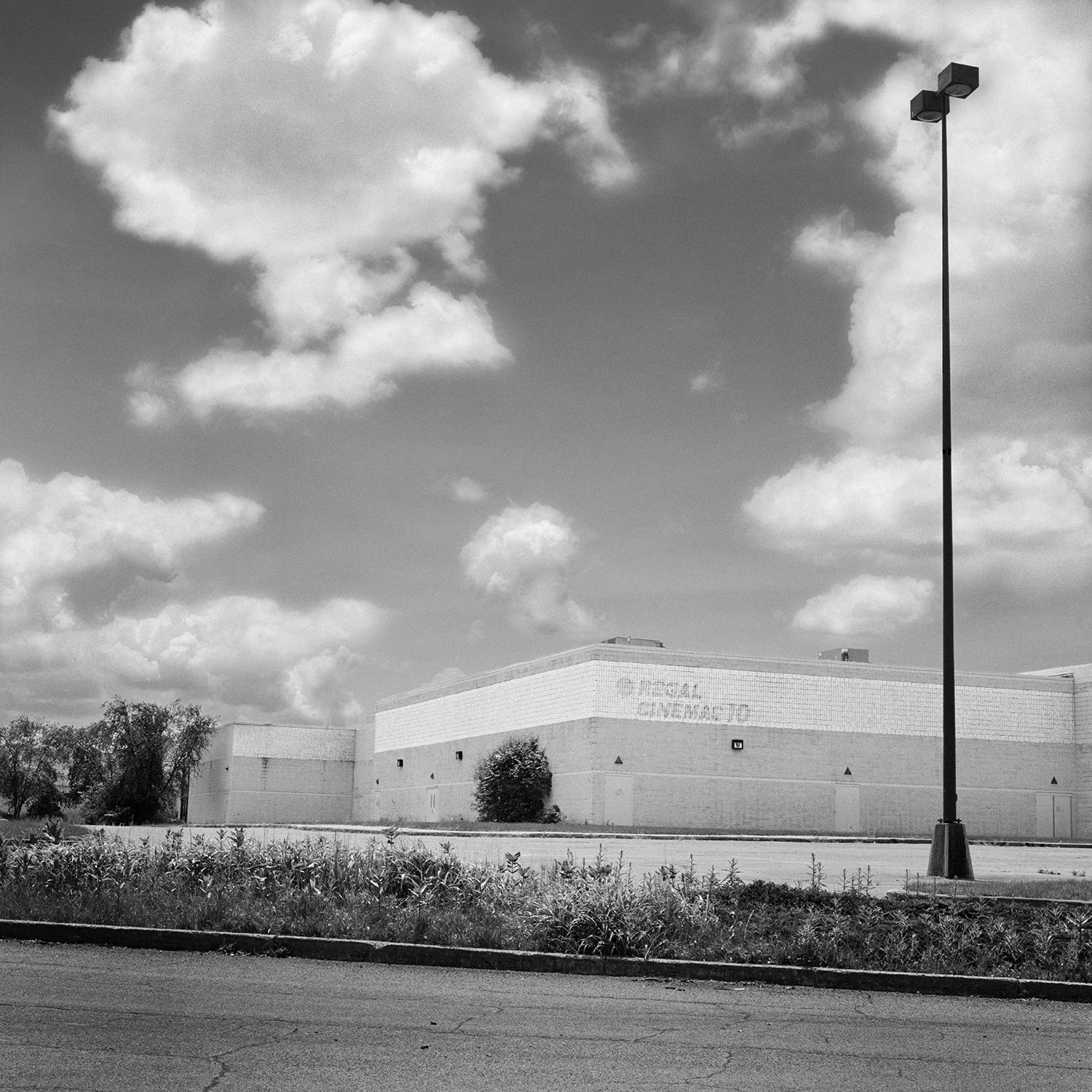
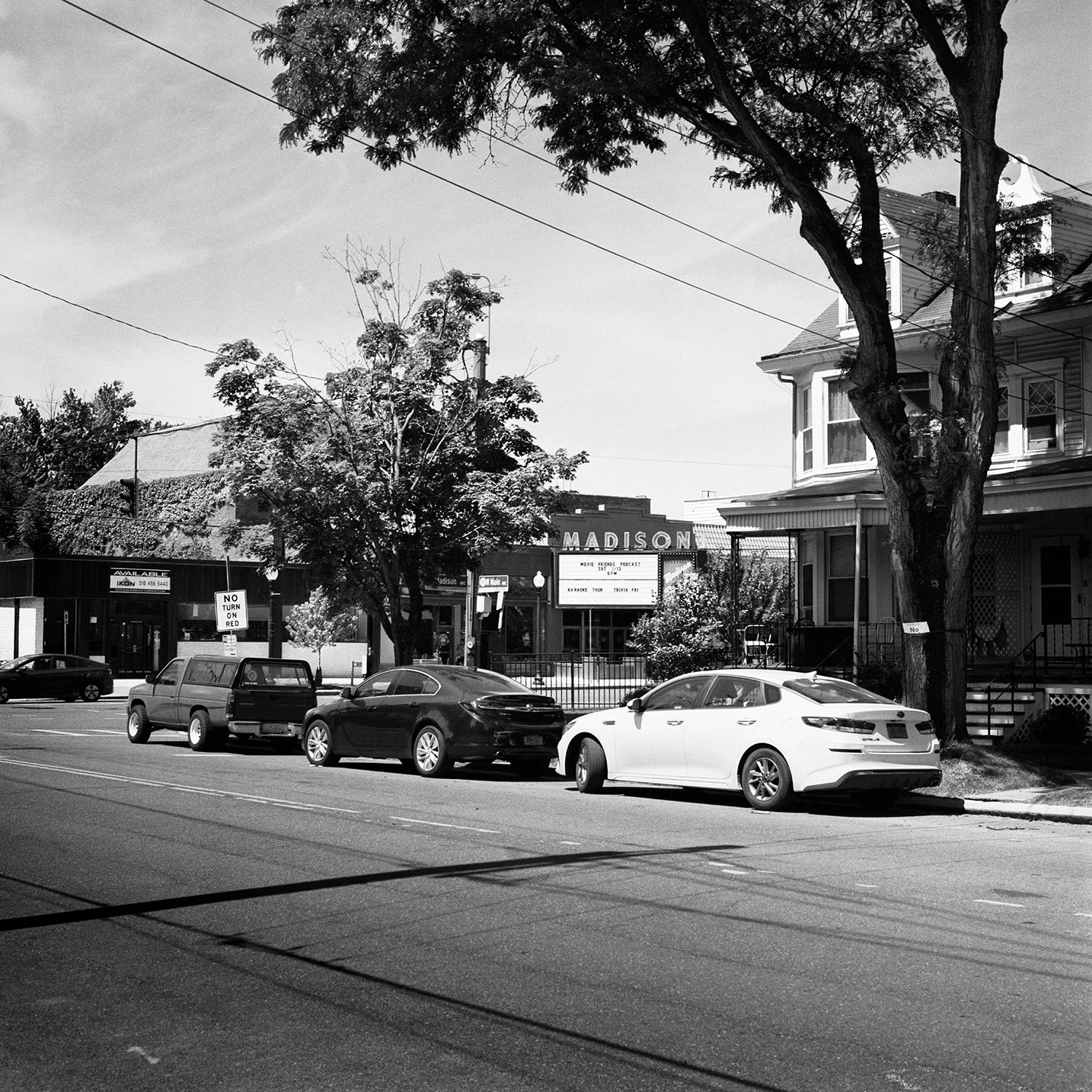
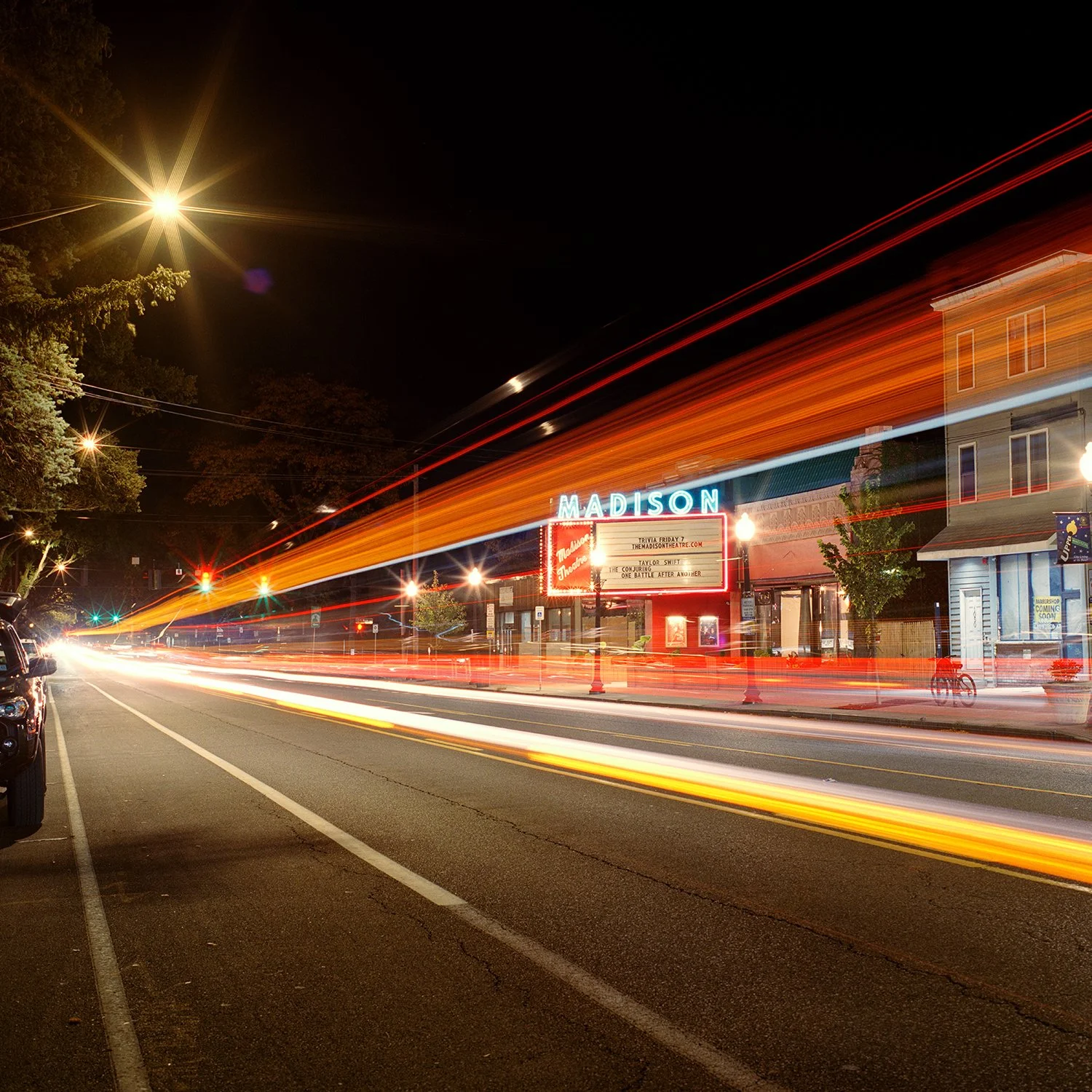
Regal Culver Ridge Plaza (16 Screens) Irondequoit, NY Closed March 15, 2020
Indulge me while I take a brief trip down memory lane…
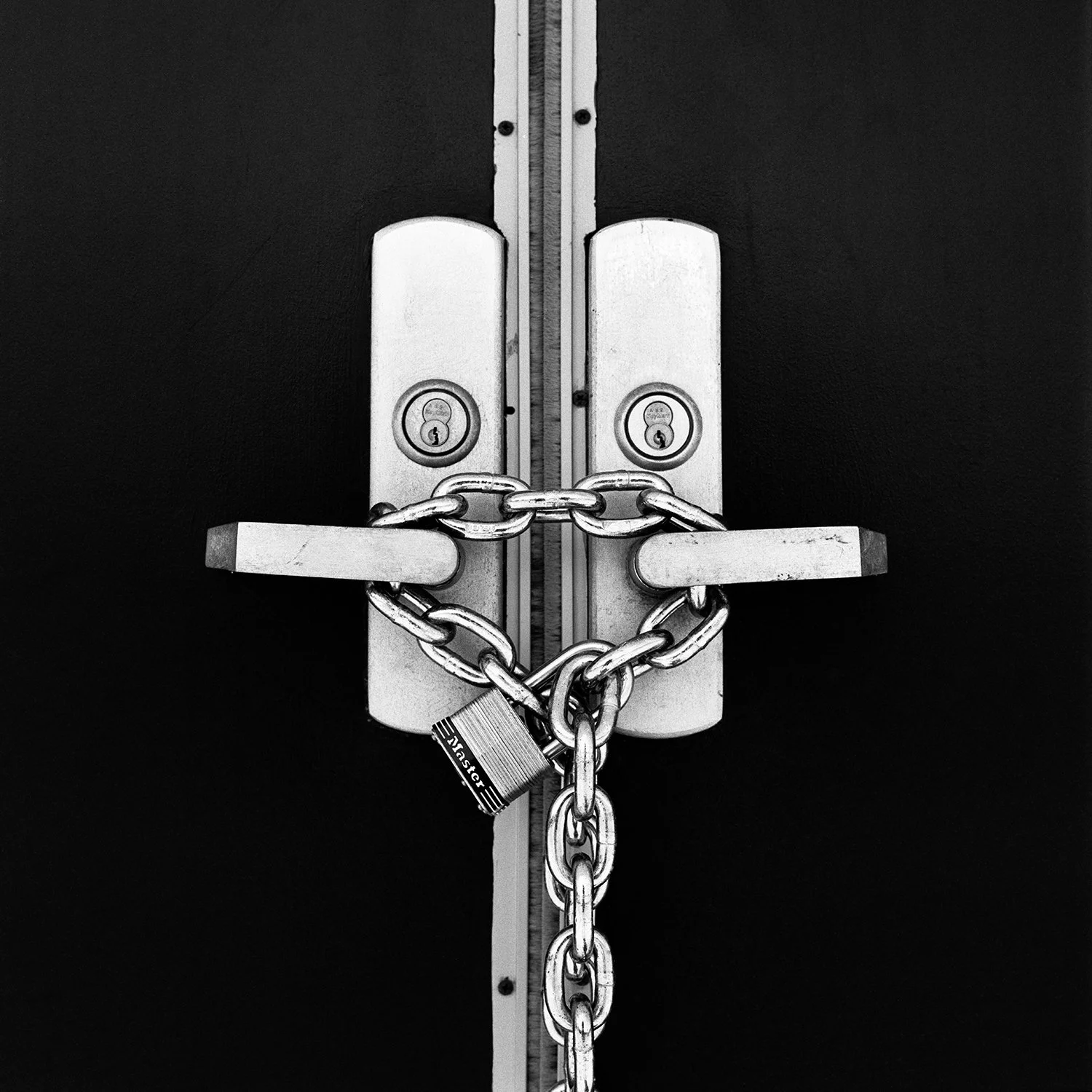
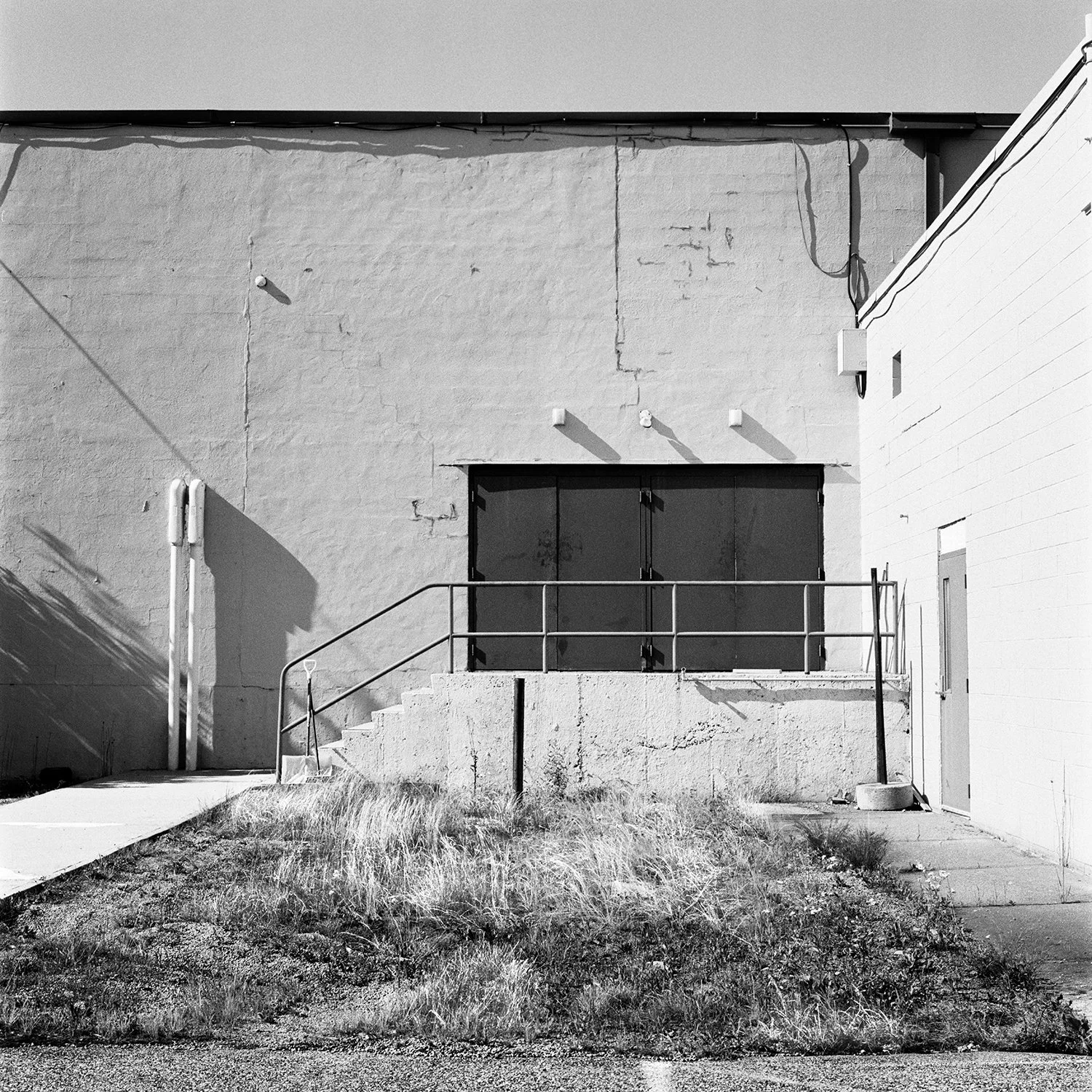
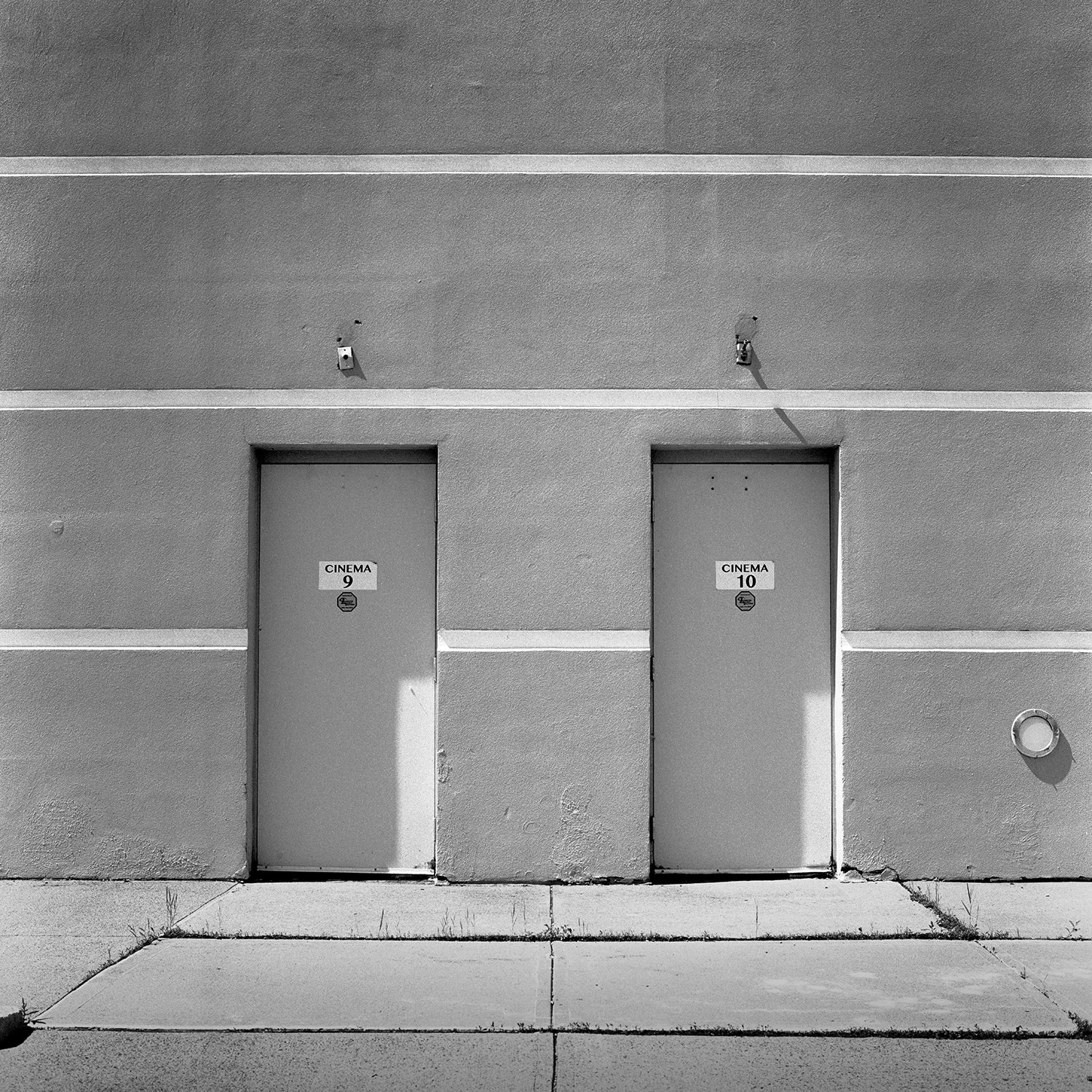
I absolutely loved going to the movies with my friends during my younger days (and honestly, my parents too - they were very cool). I remember quite often sneaking into the movies with these friends, since we couldn’t rub two cents together to save our lives. We brought homemade sandwiches and candy my buddy Daniel stole from the local supermarket. He was scarily adept at that, and most likely landed himself in prison later in life. Anyway, some of the doors in this work I’m bringing to you look exactly like the ones we waited for people to exit so we could scurry into and see whatever blockbuster film was playing then. This was common practice in the Los Angeles suburbs, and we took it more as a challenge than simply a thrill. Man, we saw some killer flicks back then, too. It’s these memories that I fondly look back on, all while wondering if kids these days encounter anything even remotely close to it. I have a sinking feeling that they’re looking at a much smaller screen, though.
Let me be clear…going to the movies wasn’t all petty crime as a kid. It was an escape. It was camaraderie and friendship. It was community. And most of all it was connection. This is exactly what Don Casper addresses in his nostalgic body of work, 265 Screens.
I met Don at Review Santa Fe in 2025, while he was still working on his MFA at the School of Photographic Arts & Sciences at RIT, and seeing where he was with this work at the time was inspiring. Fast forward several months, and he has since completed his degree with a thesis exhibition at RIT, created a photobook of the project, and made an actual movie trailer to promote the project as an homage to the theaters themselves.
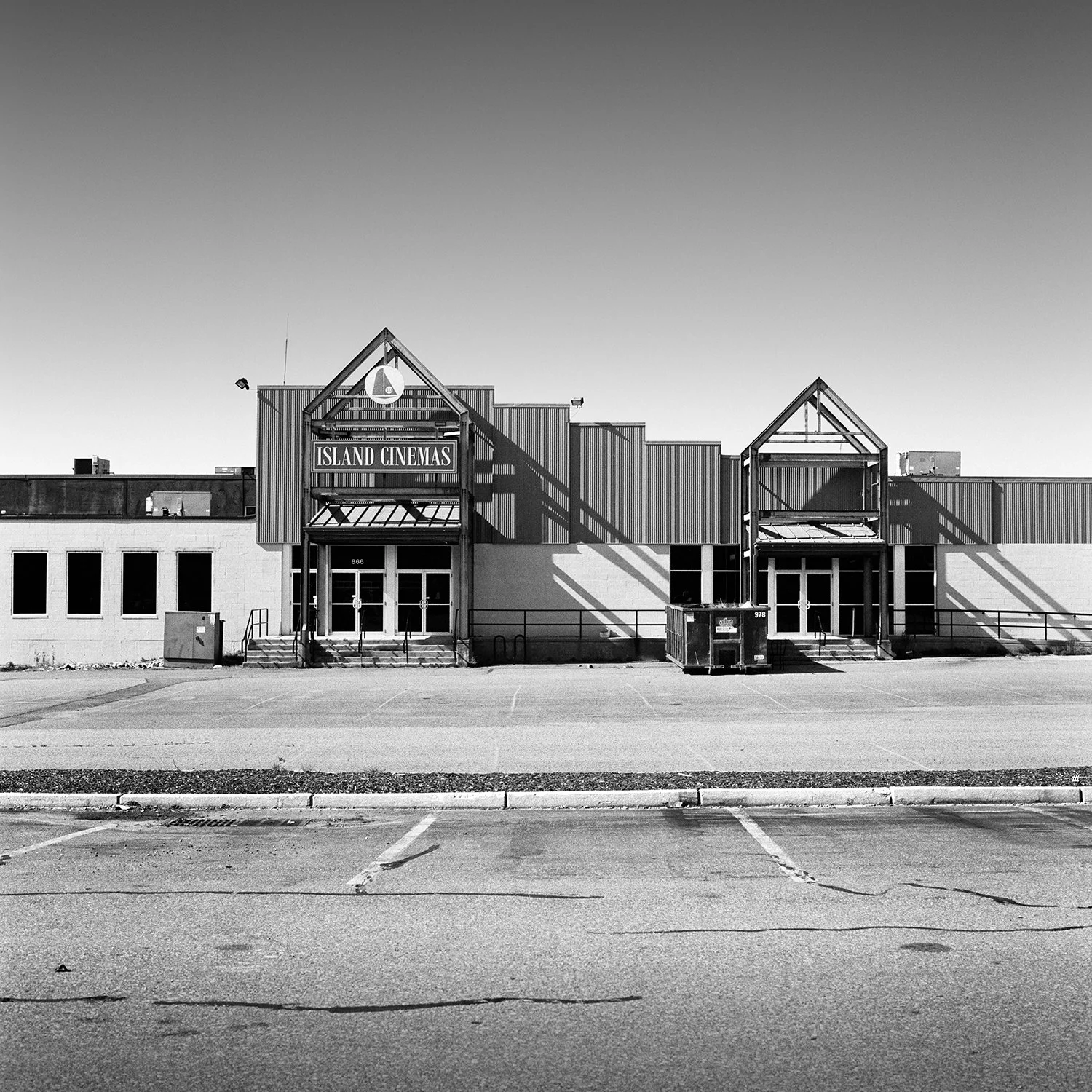
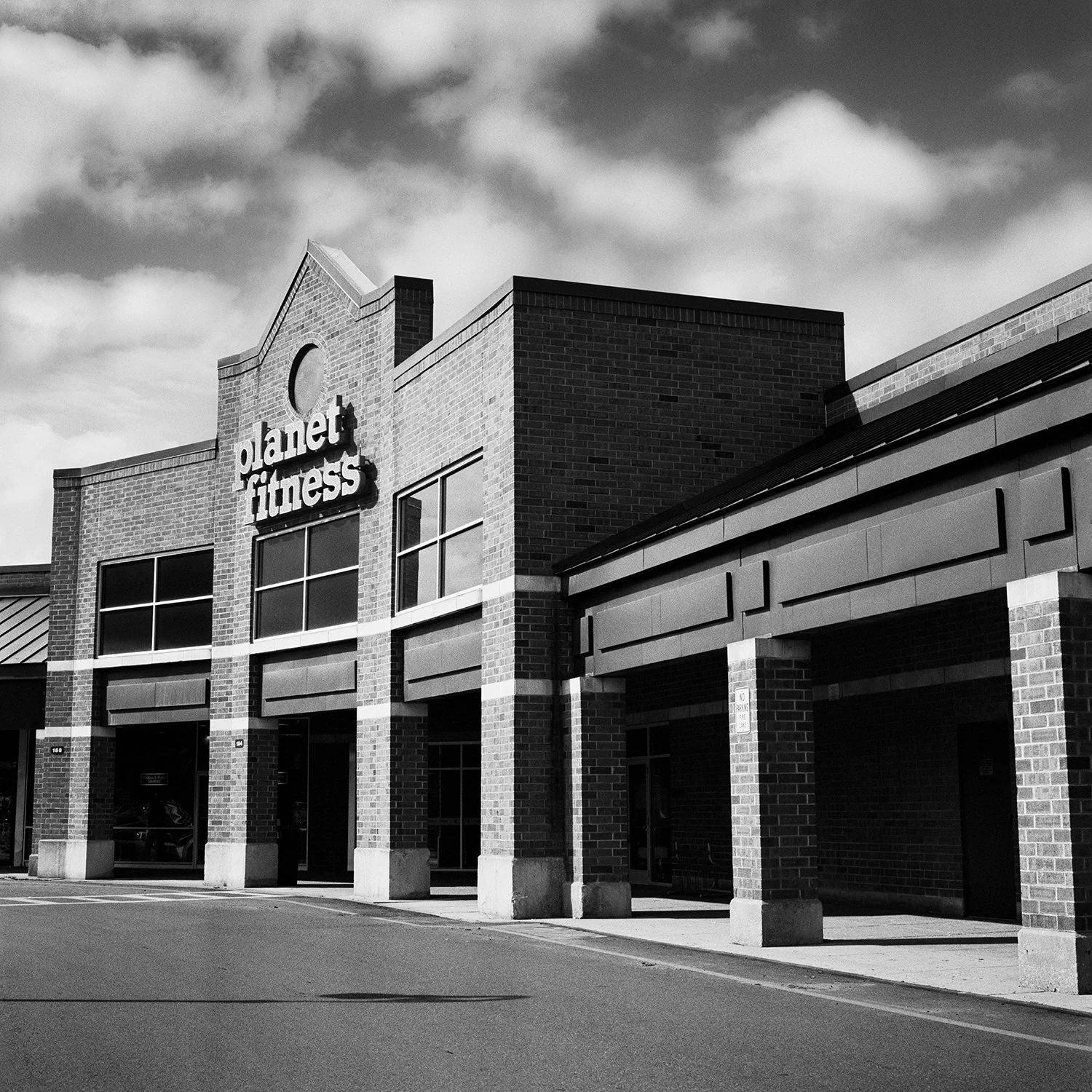
I view these photographs as representative of what has been lost – and for many, this is not just a cultural shift, but a personal affront, a slap in the face, and a tragic loss…
Well, it’s time to share this with all of you, and because this is very personal to me, I’m presenting it to you the same way, with my memories and Don’s sentimental images of something we should be trying to get back. It’s time for me to shut my yap, though, and give it to you in Don’s own words, since he is so very thorough and succinct in his concept and execution of this wonderful collection.
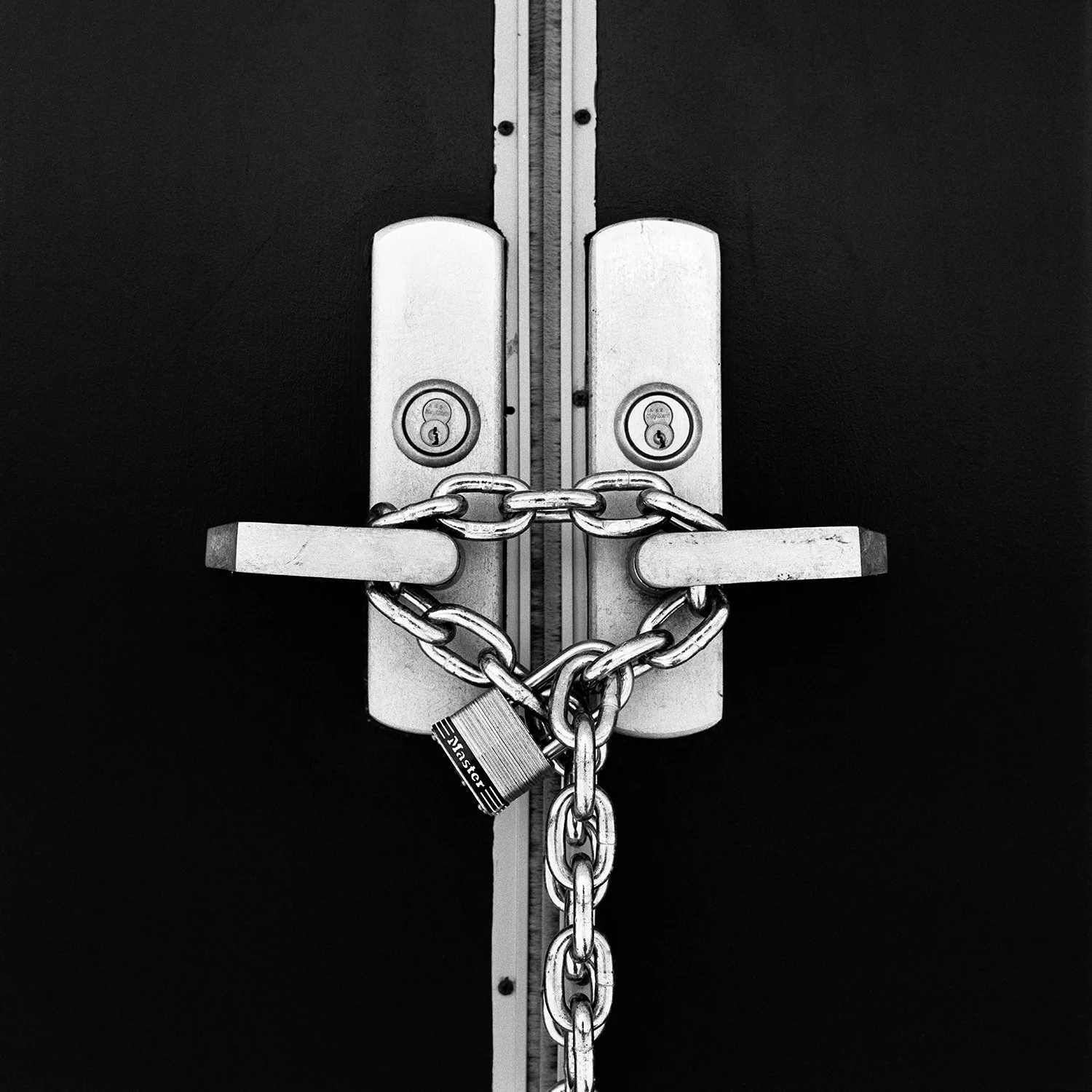
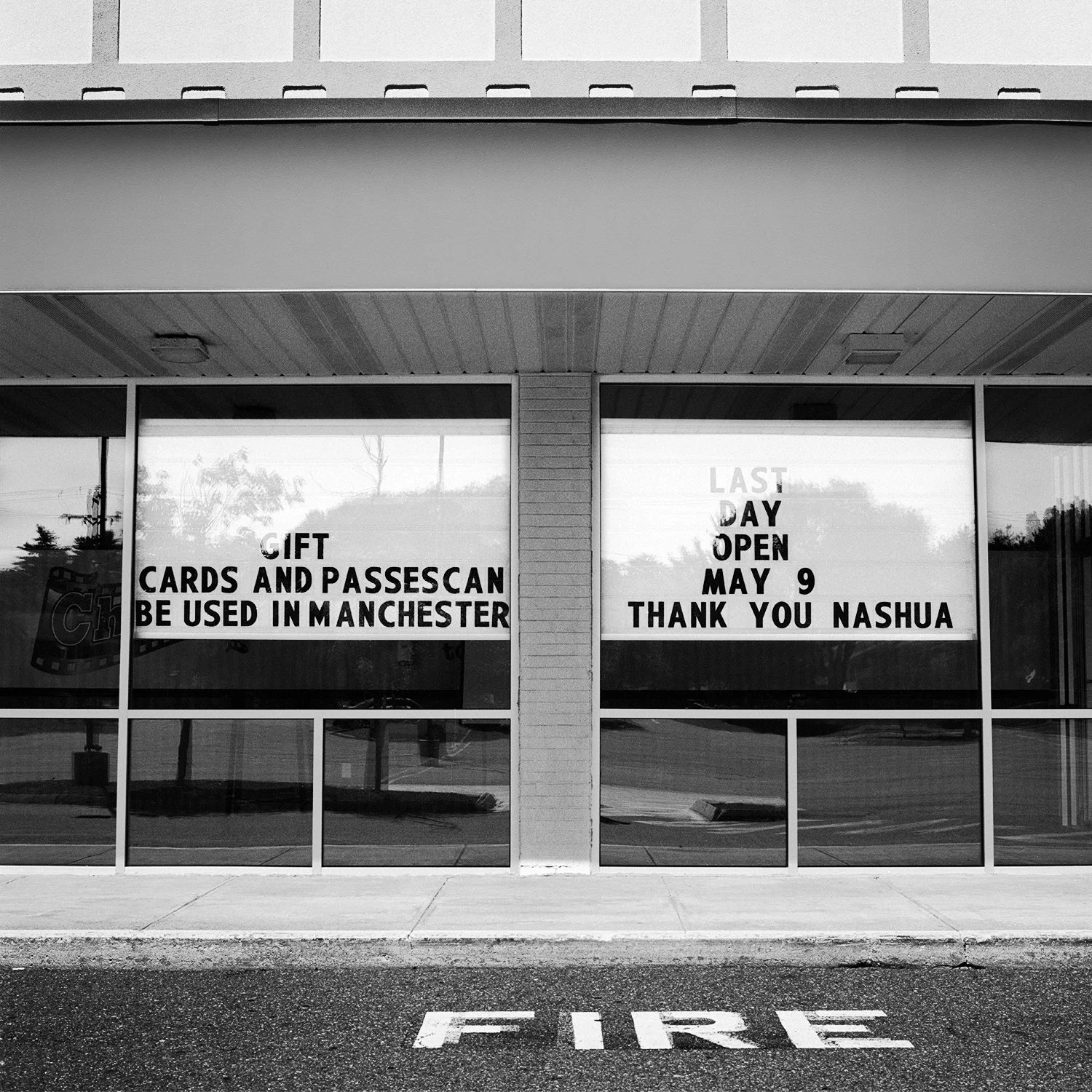
Chunky’s Cinema Pub Nashua #2 (8 Screens) Nashua, NH Closed May 9, 2024
Project Statement:
Twenty-nine cinemas that closed since March 2020, what will become of us?
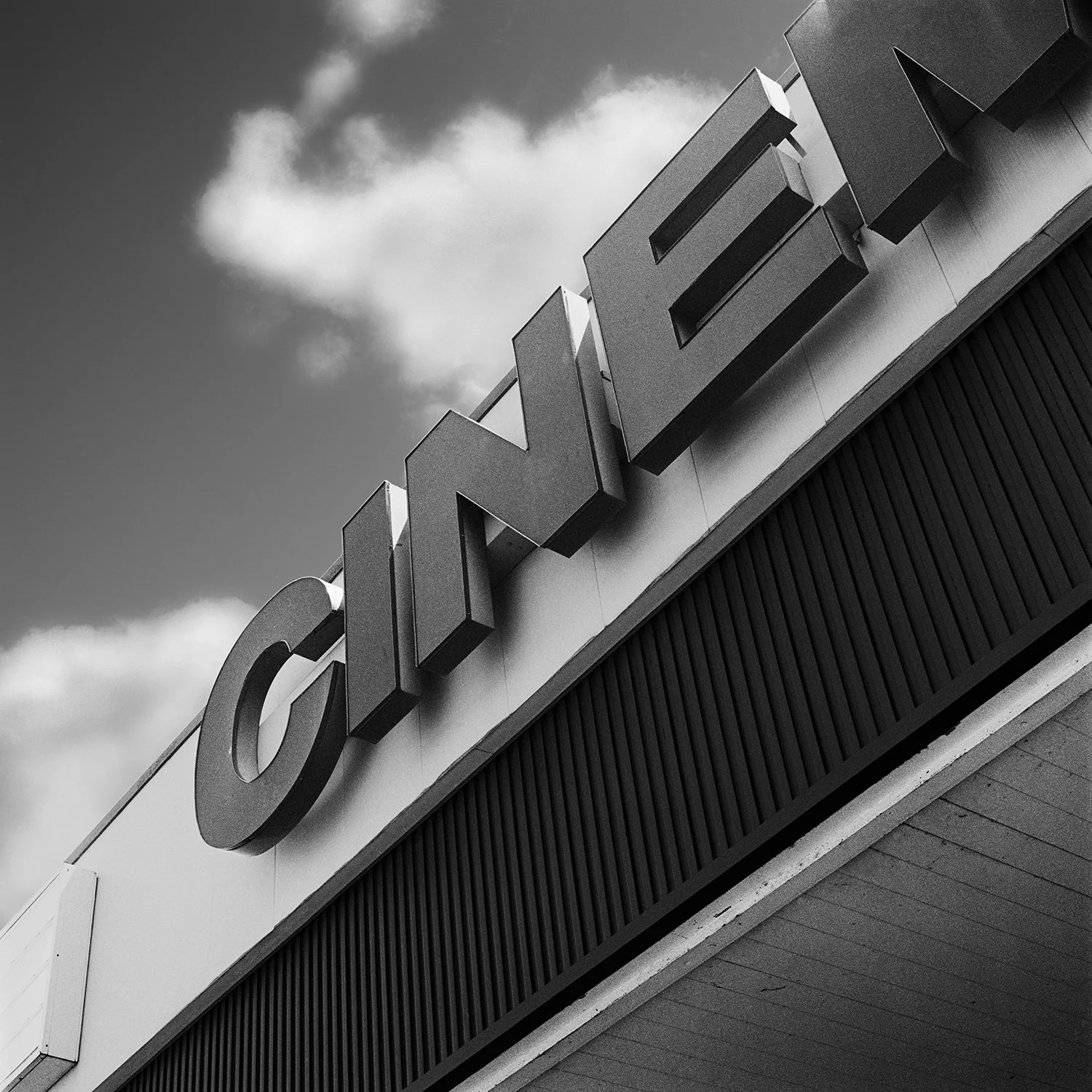
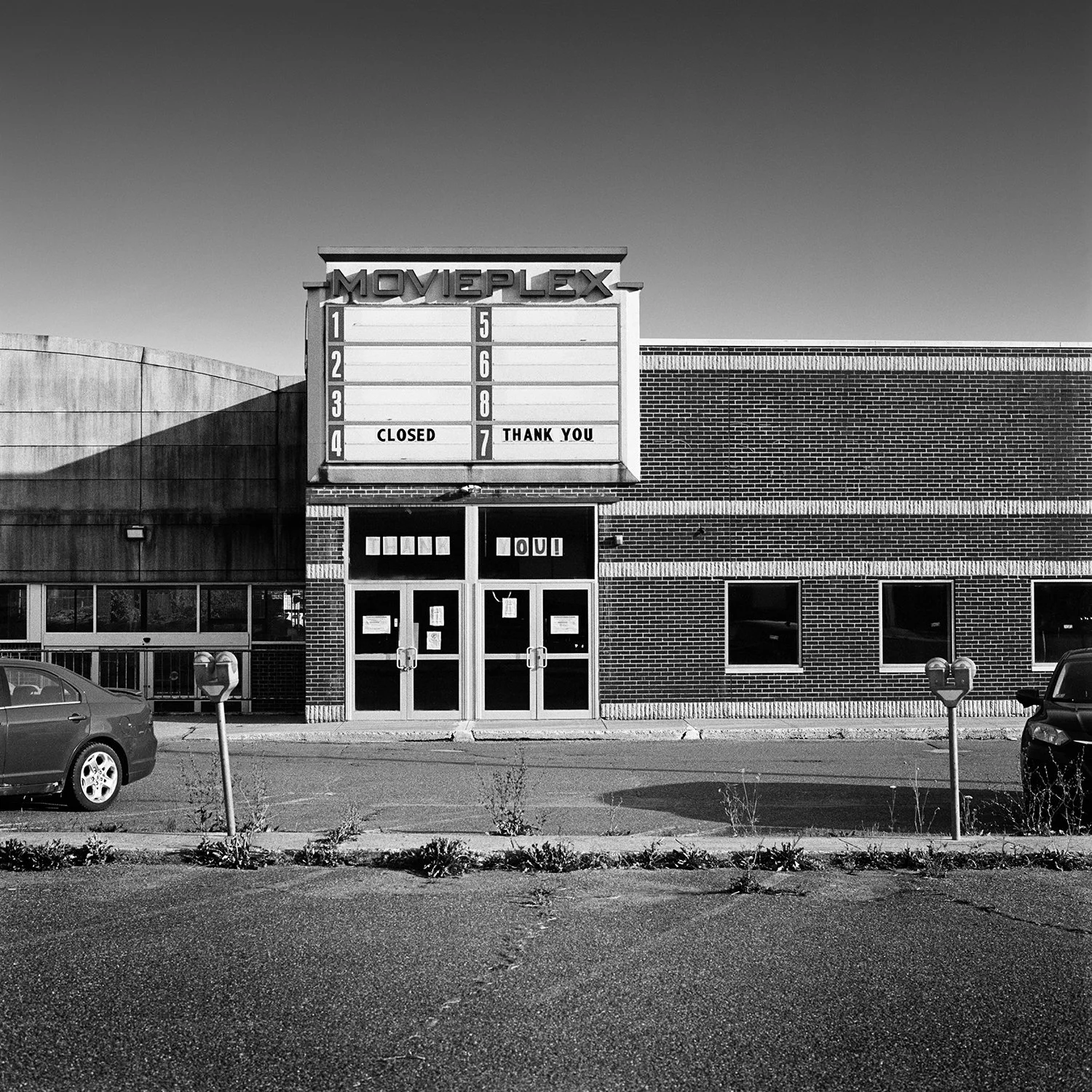
The smell of freshly popped popcorn lingers in the air as I wait in line for a good seat. The lights dim as the projector roars to life, casting a beam of pictures over a roomful of strangers who all share a building anticipation for the main attraction. From an early age, I have been captivated by the escape this darkened room of moving pictures can provide. Now, the local cinema is not the only place to experience a film. Streaming has shifted the industry, allowing films to be watched anywhere – in your living room or alone on your mobile device. Although this transition in entertainment was already taking place, the COVID-19 pandemic kicked it into overdrive. In 2024, I set out to discover remnants of movie theaters that have shut down since March 15, 2020. I searched through parts of New York, Vermont, New Hampshire, Massachusetts, Rhode Island and Connecticut. There were many to find.
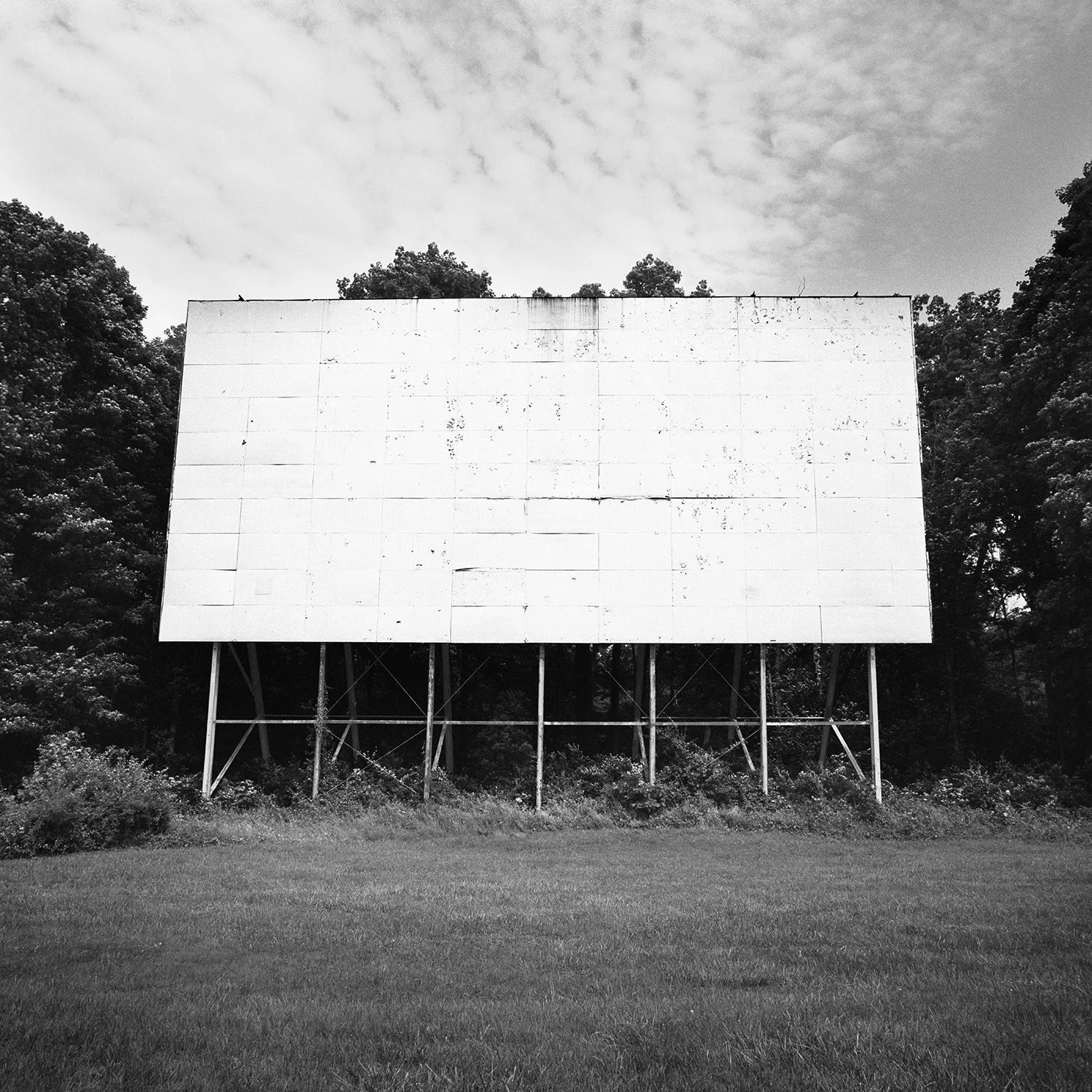
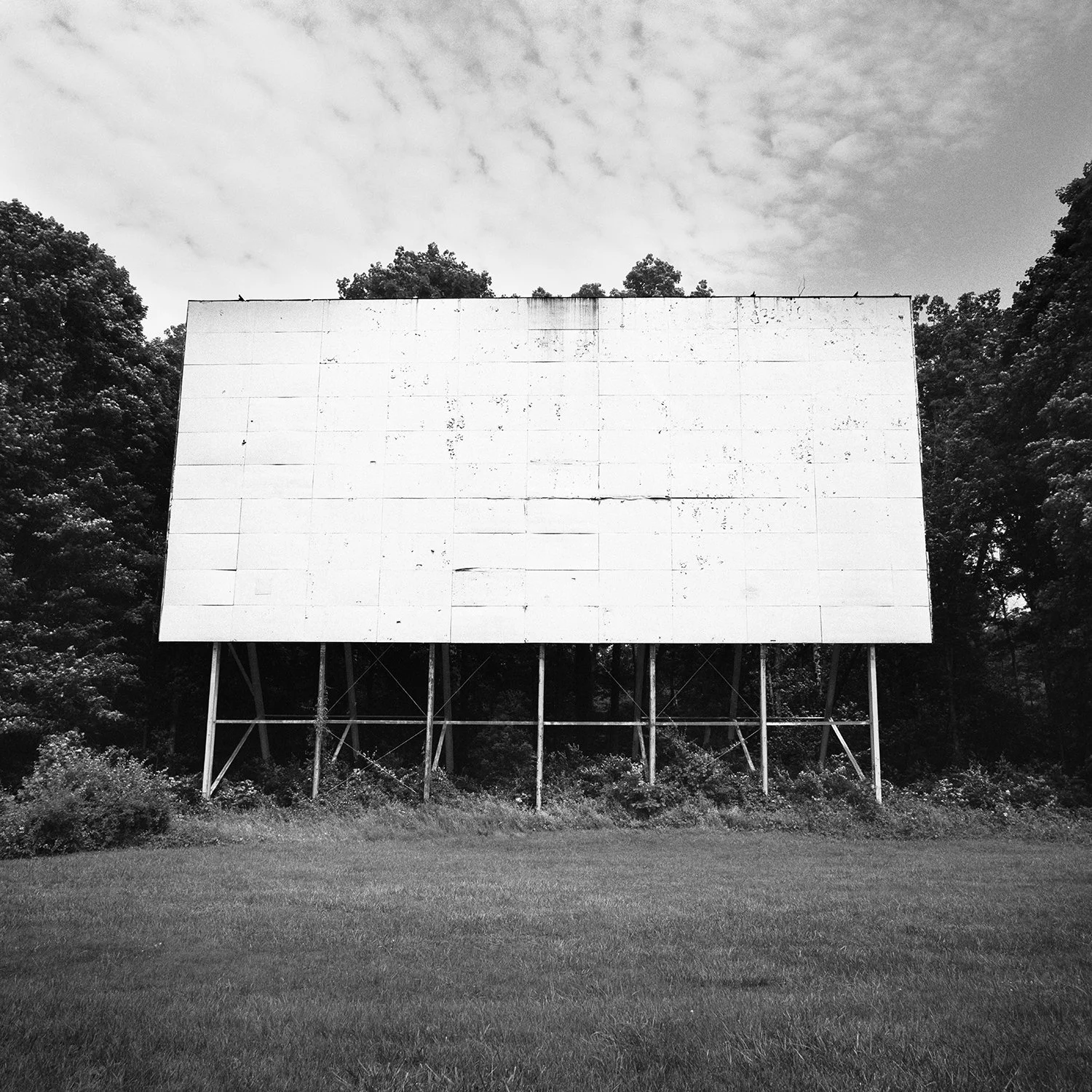
Hyde Park Drive-in (1 Screen) Hyde Park, NY Closed October 3, 2022
265 Screens is a body of work comprised of photography and cinematography — all part of an installation set in a darkened space, creating an alternative cinematic experience. Upon entering the darkened space, the viewer is surrounded by the monotonous clickity-clack of a film projector creating a rhythmic score at the center of the installation – projecting scenes of endlessly searching movie posters on a digital device and the aftermath of closed movie theaters.
Spending many hours on the road photographing these theaters, I began to reflect on the connection between losing these cinemas and the troubling times we are living through today. My research turned to sociology journals focusing on the changing media landscape, and how insulated viewing experiences are adding to a global epidemic of loneliness. Excessive consumption through the constant availability of content on digital devices has been linked to sleep deprivation, anxiety-depressive disorders, and social isolation. This research prompted the creation of a motion picture film edited in seven scenes.
The film is displayed across a widescreen canvas constructed from three monitors with fractures in between, combining cinematography, appropriated media and sound recordings as screens within screens, meditating on what it means to lose these cinematic spaces.
The work embodies the transition of digital media by blending a variety of processes used to create the images themselves. The photographs are captured on analog film, scanned to digital files and printed on photographic paper using traditional silver gelatin photochemical processes. The motion picture images are filmed with 16mm celluloid stocks some of which feature hand processed film using alternative eco-friendly chemistry, then presented on state-of-the-art HDR OLED digital monitors that unlock the dynamic range film has always been able to capture, delivering deep black tones and much brighter highlights than traditional televisions can produce. The blending of these old and new techniques frame how I have seen media and society change, documenting the transition we are currently living through and a reflection on unintended consequence of isolation and division.
See the trailer below:
GALLERY
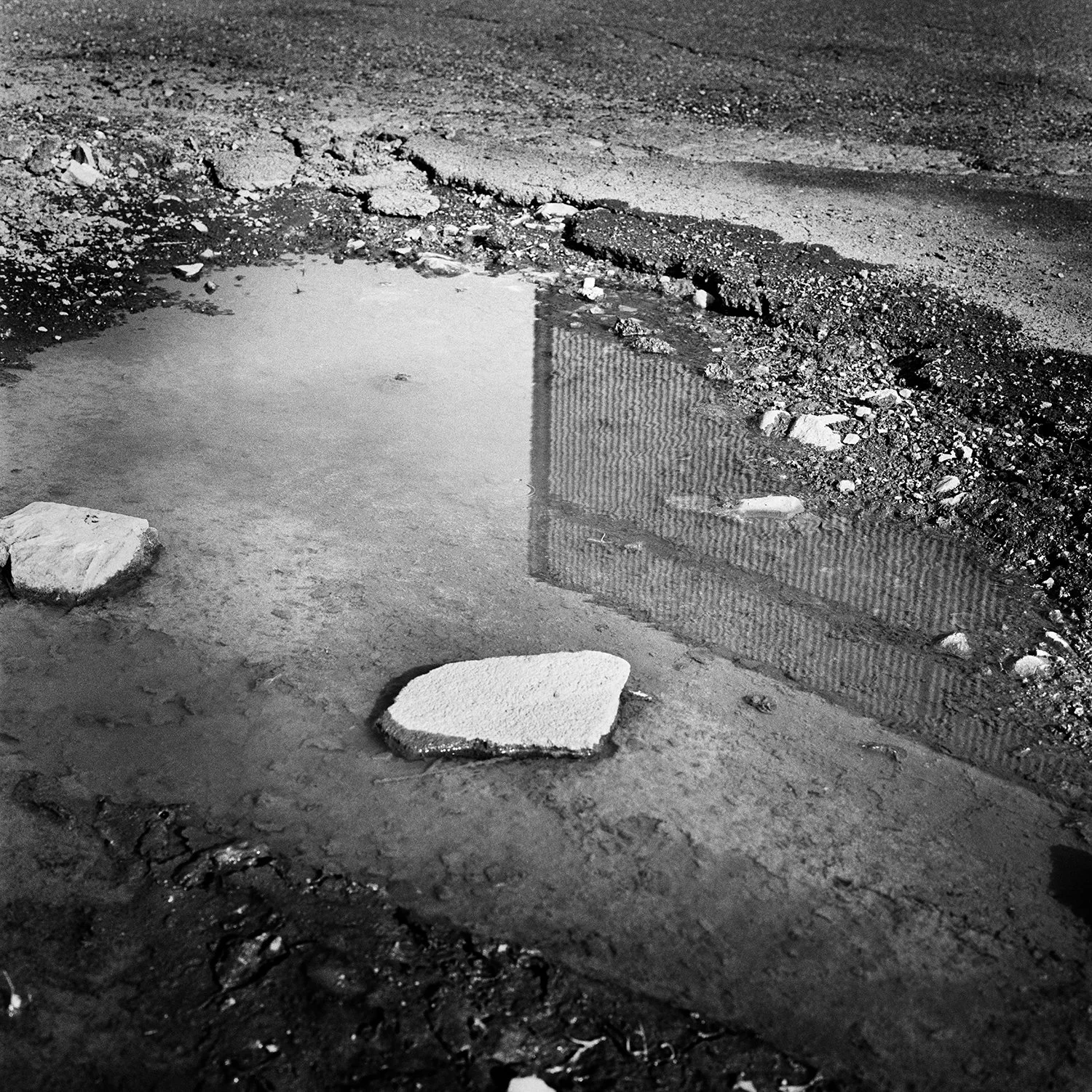
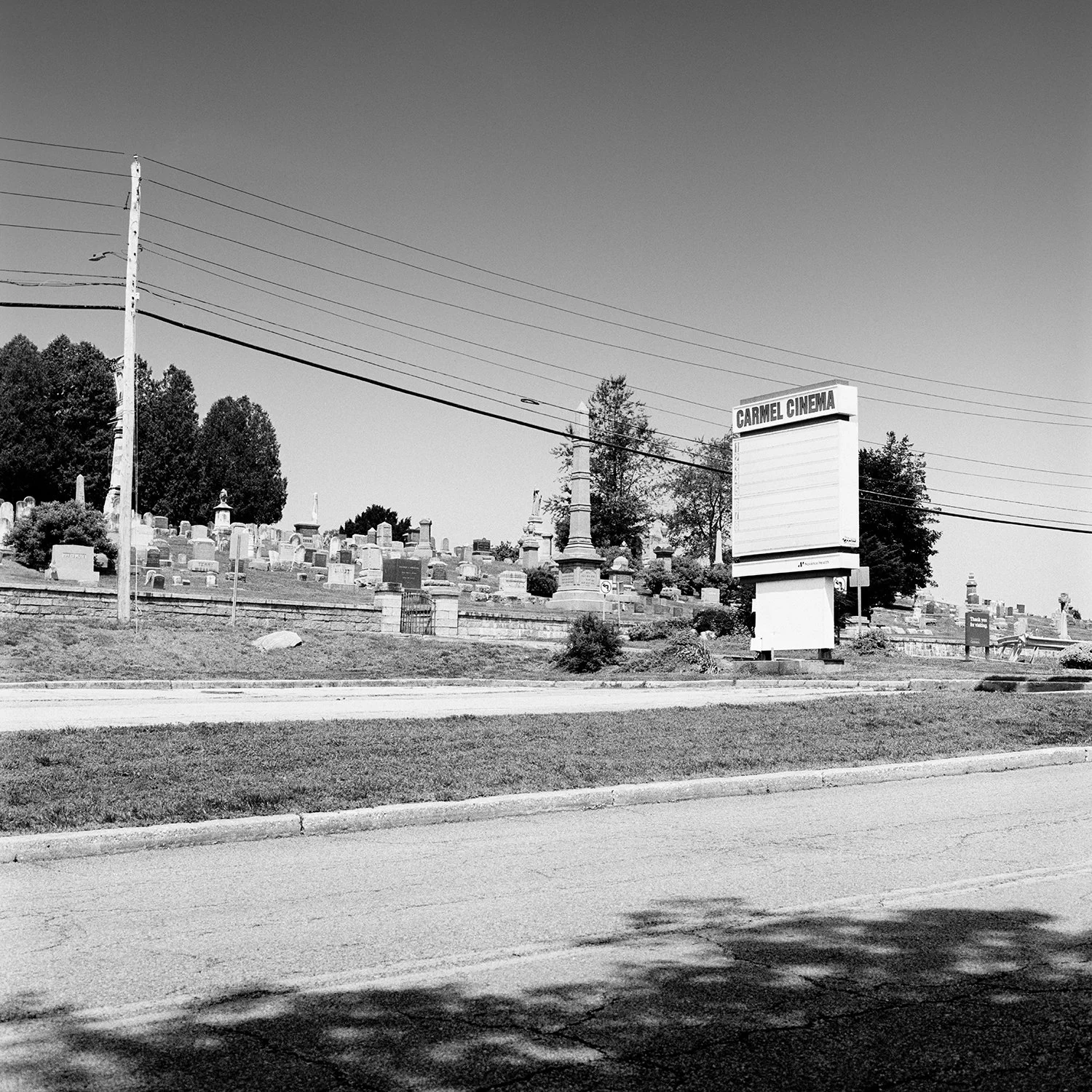
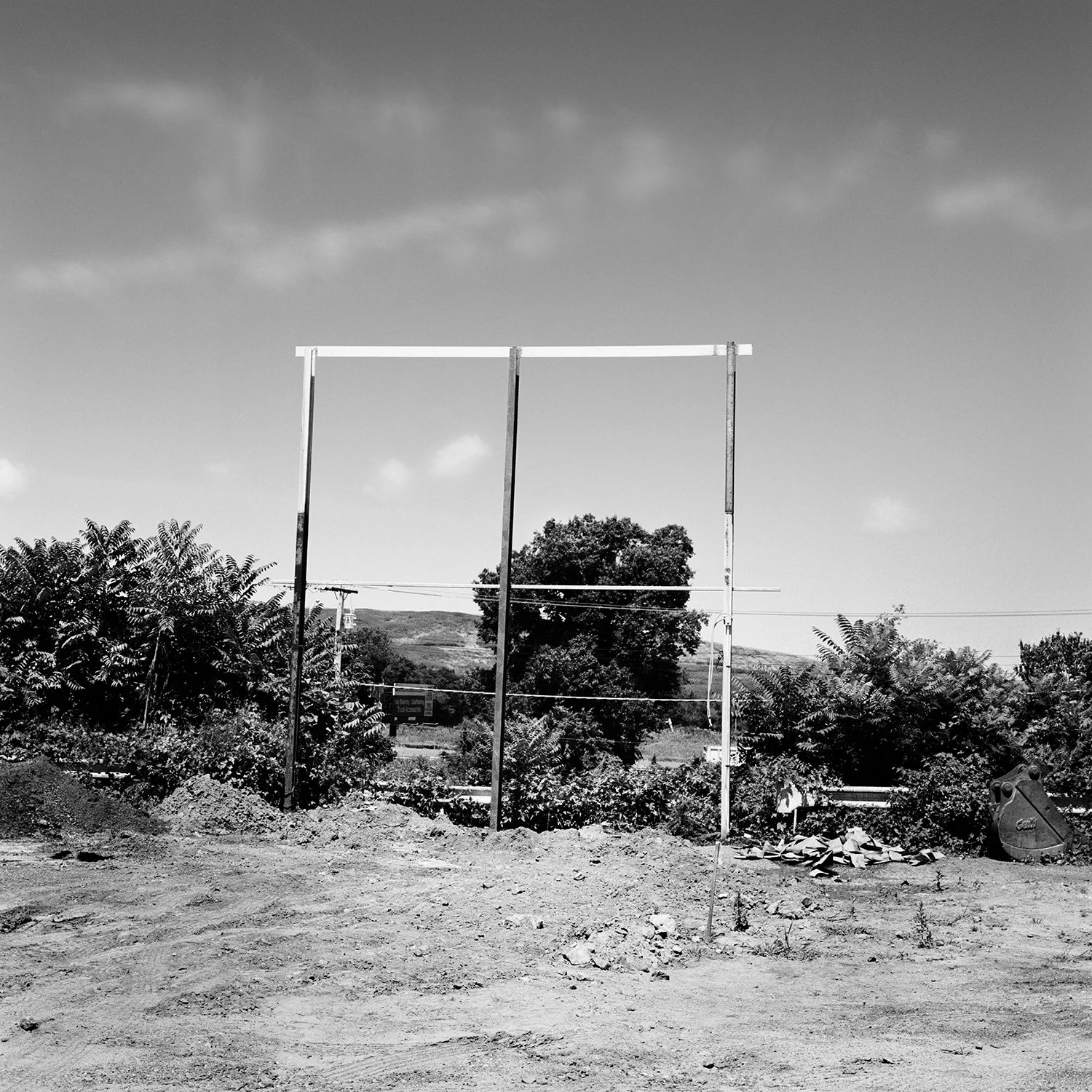
ABOUT THE ARTIST
Don Casper (b. 1968) is a visual artist based in Rochester, NY, specializing in cinematography and photography. A five-time New York Emmy® award-winning filmmaker, Don has extensive experience as director, editor, colorist, and producer, crafting numerous independent projects. His current practice involves building a photographic expanded cinema installation with alternative display processes that invite reflection on legacy, impermanence and the transition of how society consumes media. Don is an Assistant Professor at Rochester Institute of Technology (RIT) in the School of Film and Animation specializing in advanced post workflows, experimental analog film processing and documentary film production. He holds a BS in Film and Television and an MFA in Photography and Related Media from the School of Photographic Arts & Sciences at RIT.
ABOUT THE AUTHOR
Michael Kirchoff is a commercial and fine art photographer and the Editor-in-Chief of Analog Forever Magazine, a publication dedicated to supporting contemporary analog photography and the artists who continue to shape the medium through process-driven and conceptually rich work. Through interviews, curated exhibitions, written features, and collaborative projects, he works closely with emerging and mid-career photographic artists from around the world while helping foster a broader appreciation for film-based and handmade photographic practices.
In addition to his work with Analog Forever, Michael is the Founding Editor of Catalyst: Interviews and co-host of The Diffusion Tapes podcast, where conversations center on creativity, artistic intent, and the evolving landscape of photography. His editorial and curatorial work often explores the relationship between process, materiality, and personal vision, with a particular interest in artists whose work demonstrates thoughtful cohesion both visually and thematically.
Michael has served as an independent curator, juror, portfolio reviewer, and educator for organizations, galleries, and non-profits throughout the United States and abroad. He was also a Contributing Editor at One Twelve Publishing from 2020-2024, writing for Poignant Portfolios, as well as his own column, Traverse.
During his tenure on the Board of Directors for the American Photographic Artists Los Angeles chapter from 2006–2016, he helped develop educational programming, artist lectures, and community initiatives supporting both commercial and fine art photographers.
Based in Los Angeles, Michael continues to advocate for the photographic arts through publishing, curation, mentorship, and collaborative projects that encourage deeper engagement with contemporary photography and the artists behind it.
RELATED ARTICLES




In rural Kansas, large-format photographer and master printer Michael Strickland is pushing traditional printmaking to extraordinary lengths. For his Of the Earth series, Strickland grinds soil, clay, and charred wood gathered from the landscapes he photographs into pigments for his color carbon prints, physically embedding the land within the finished work. We spoke with Strickland about process, place, the disappearing craft of photographic printmaking, and why the physical print still matters.