
Featured Photographer: Matthew Finley - “An Impossibly Normal Life”
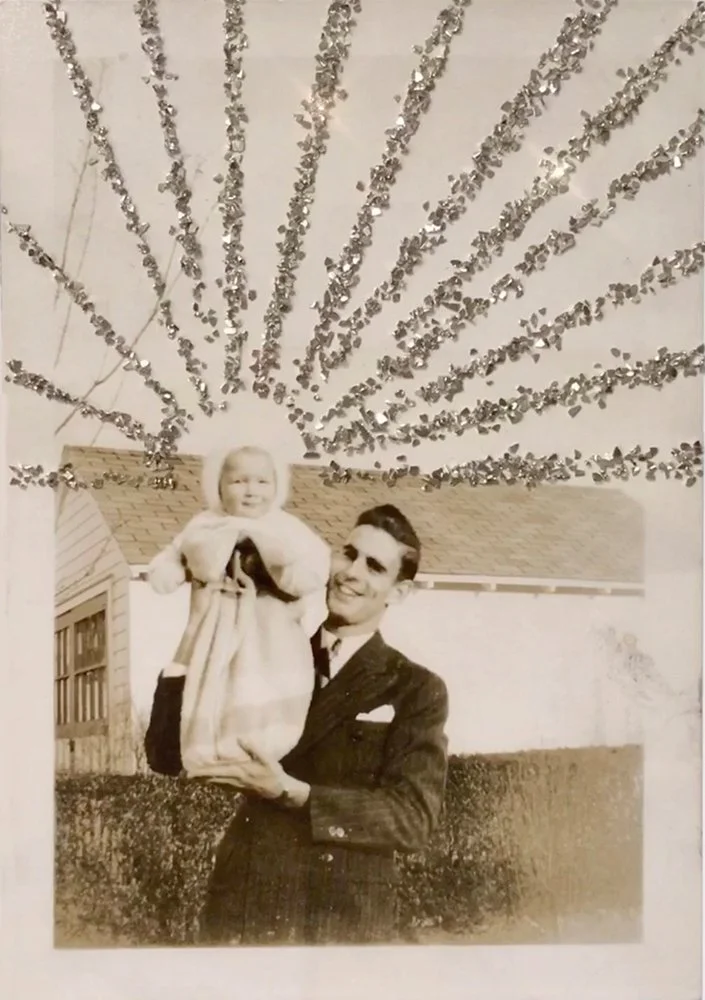
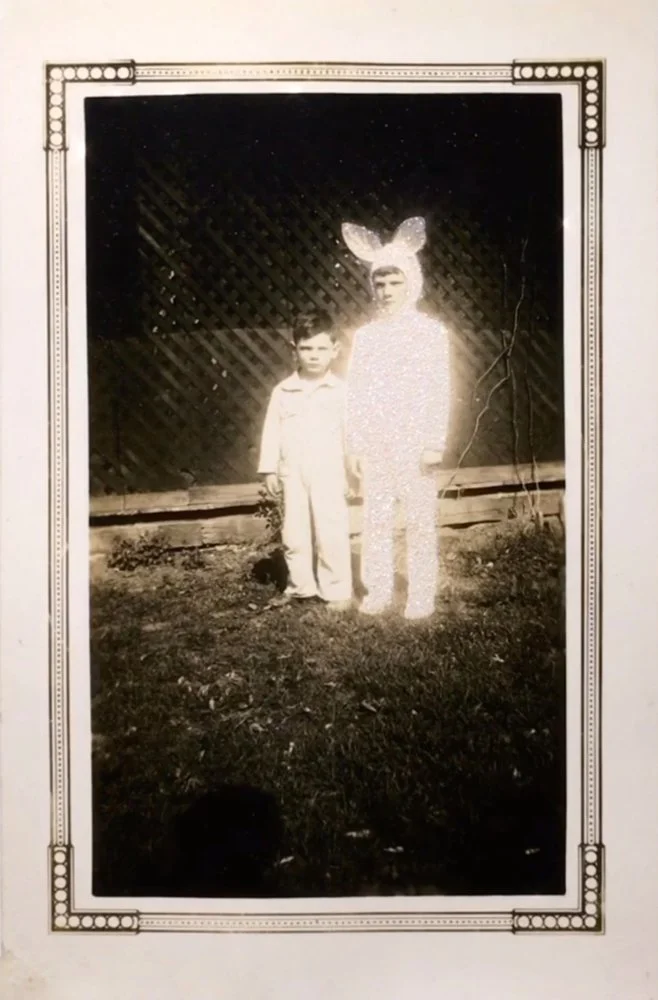
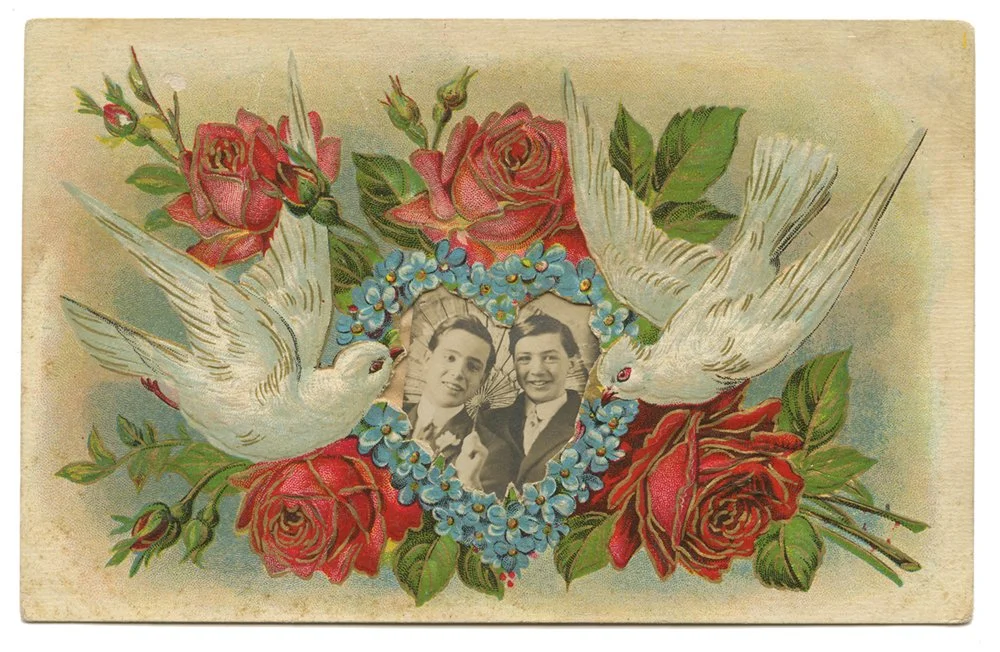
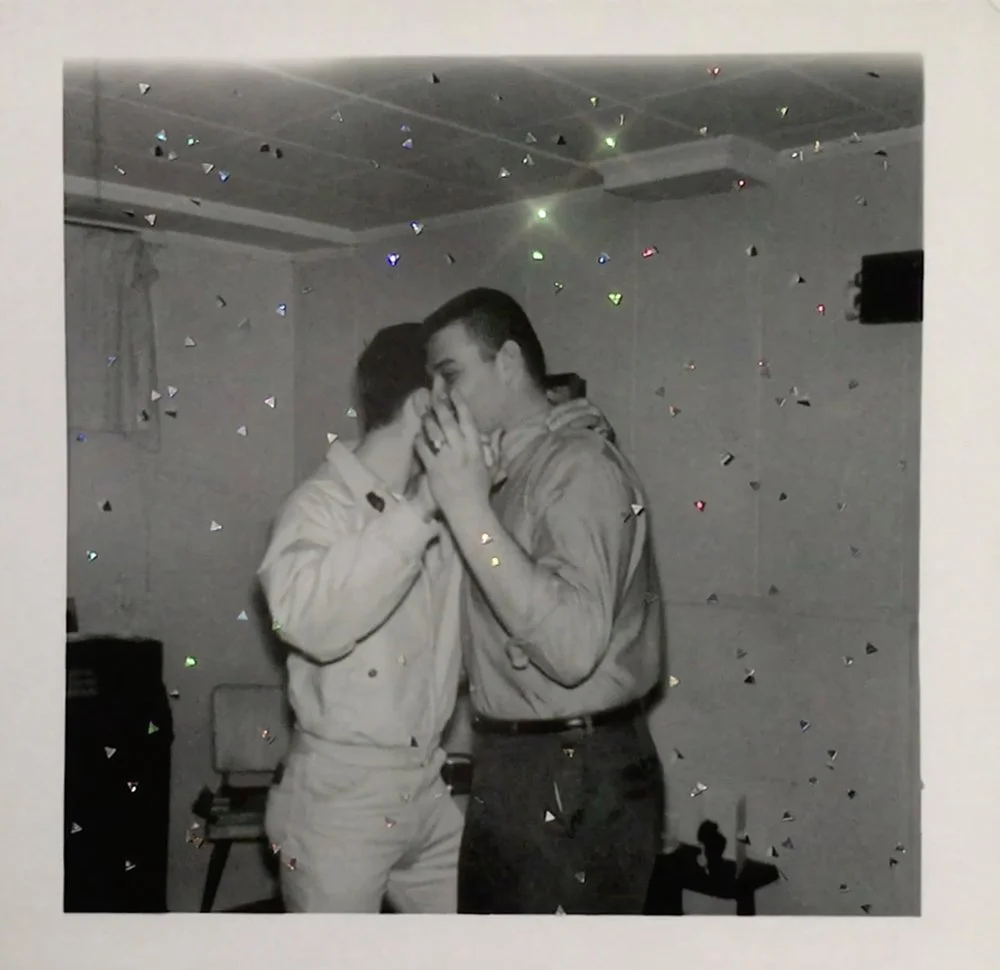
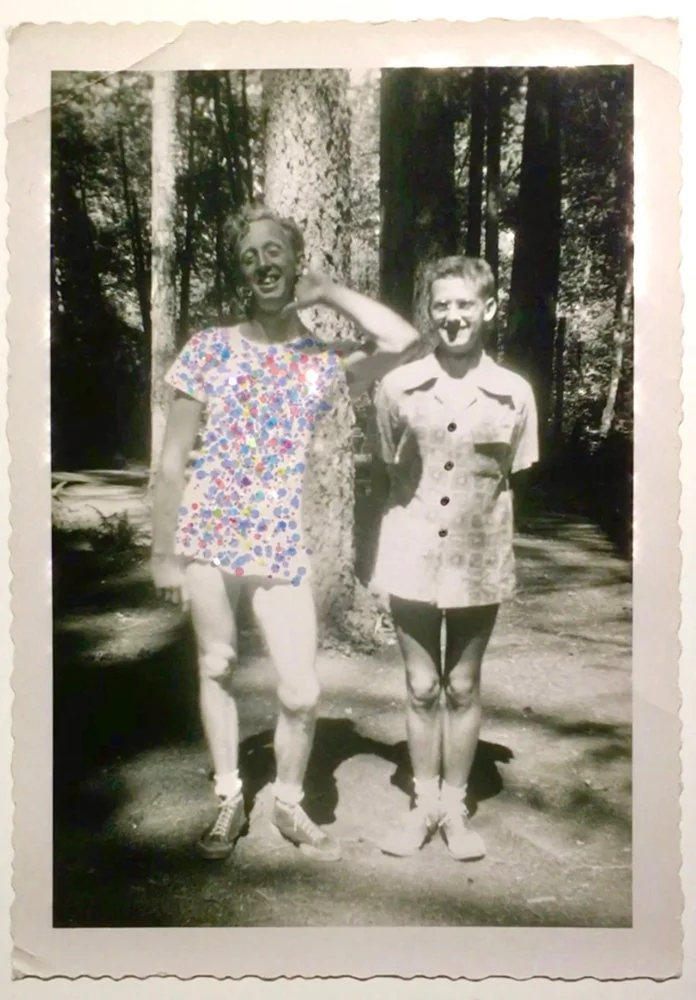
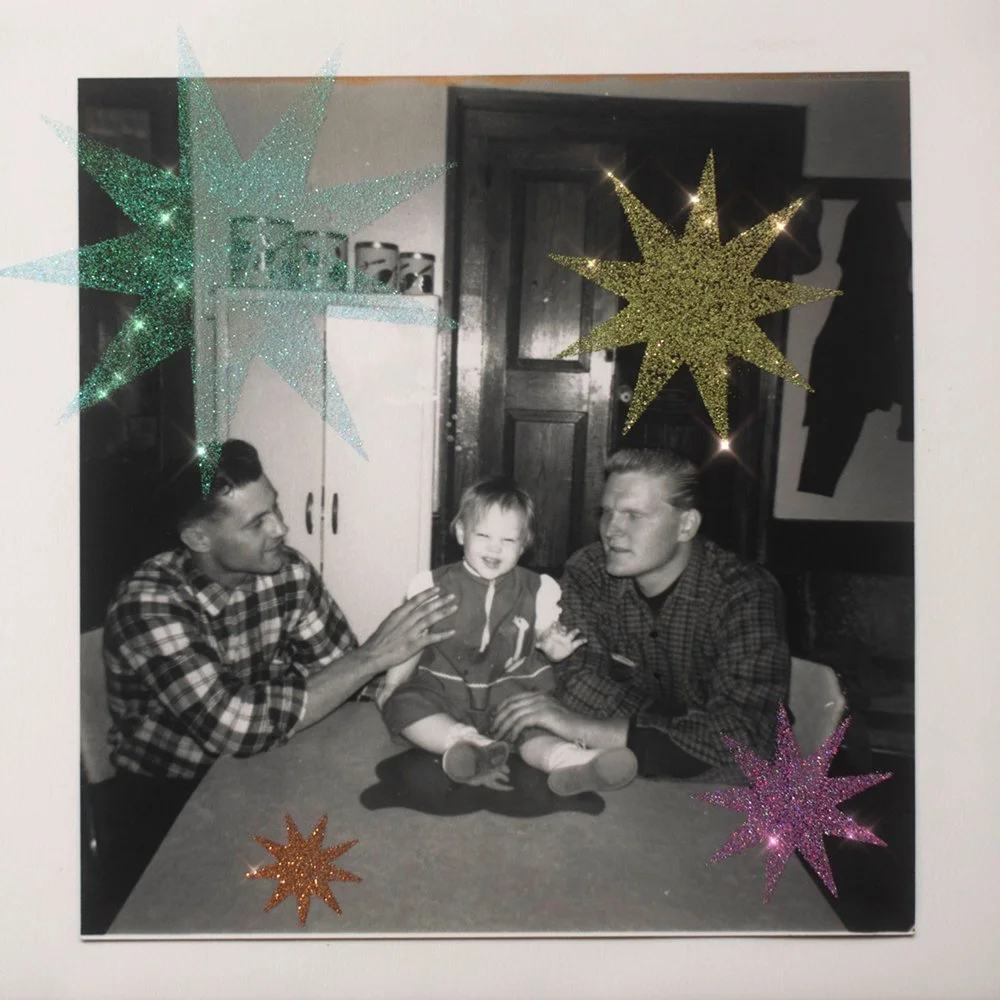
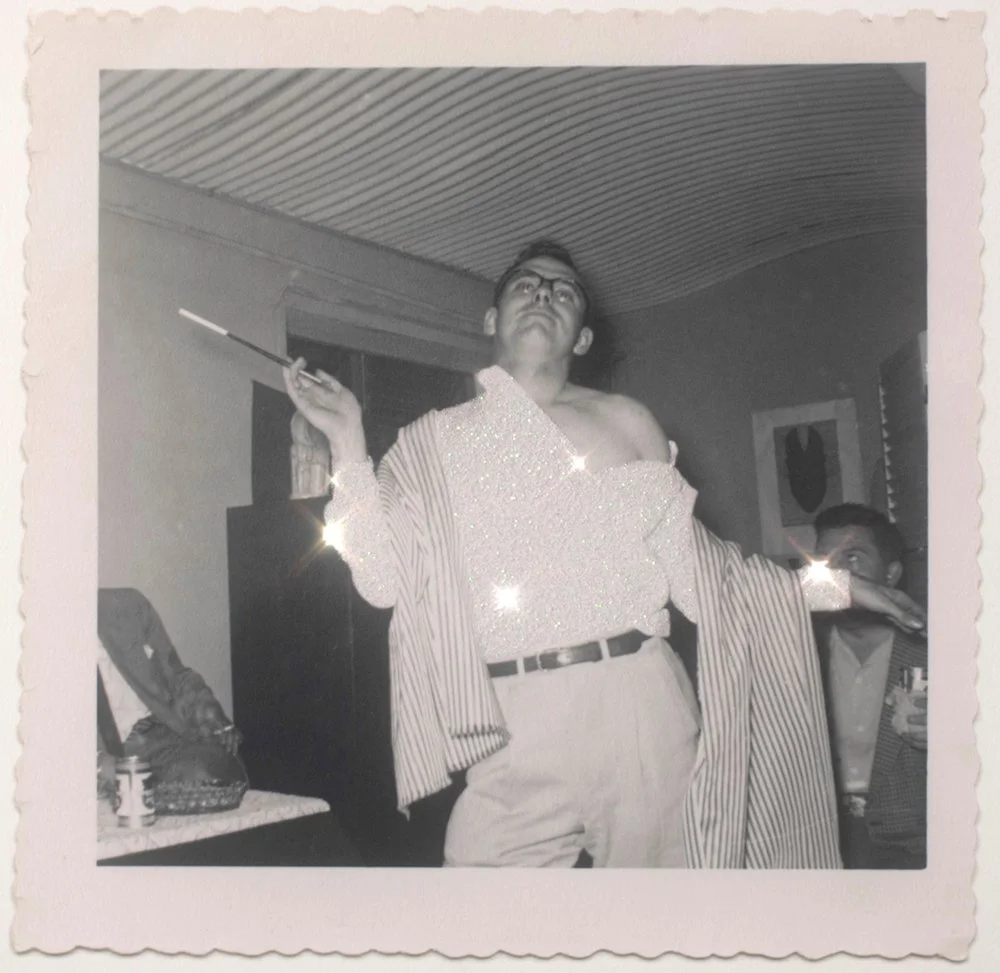
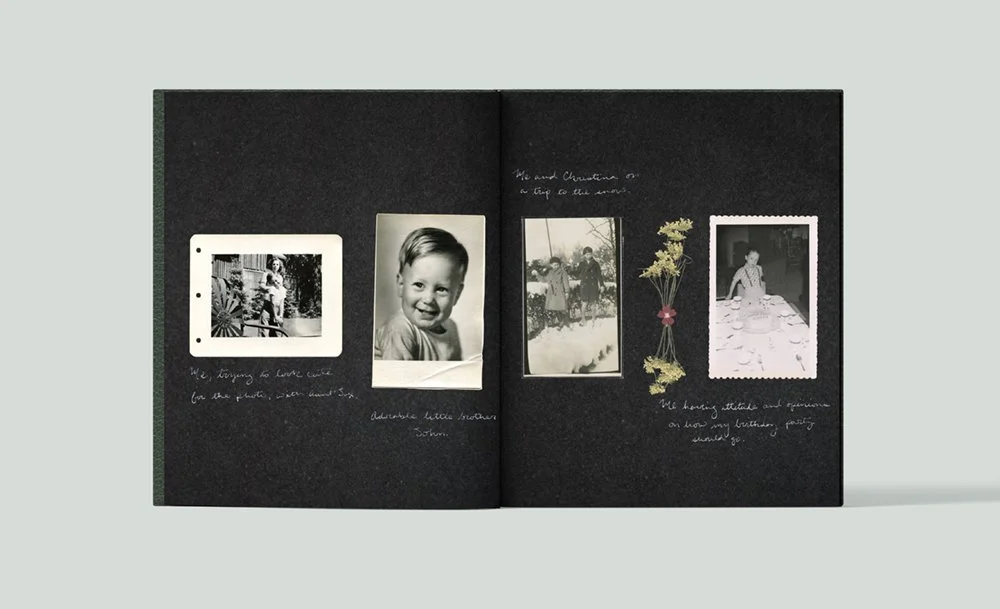
Photographs have long served as vessels of memory, but they also hold the power to imagine histories that never were. In An Impossibly Normal Life, photographer Matthew Finley constructs a tender and deeply personal narrative from found photographs, creating the life story of a fictional gay uncle who lived in a parallel universe where acceptance, love, and belonging were never in question.
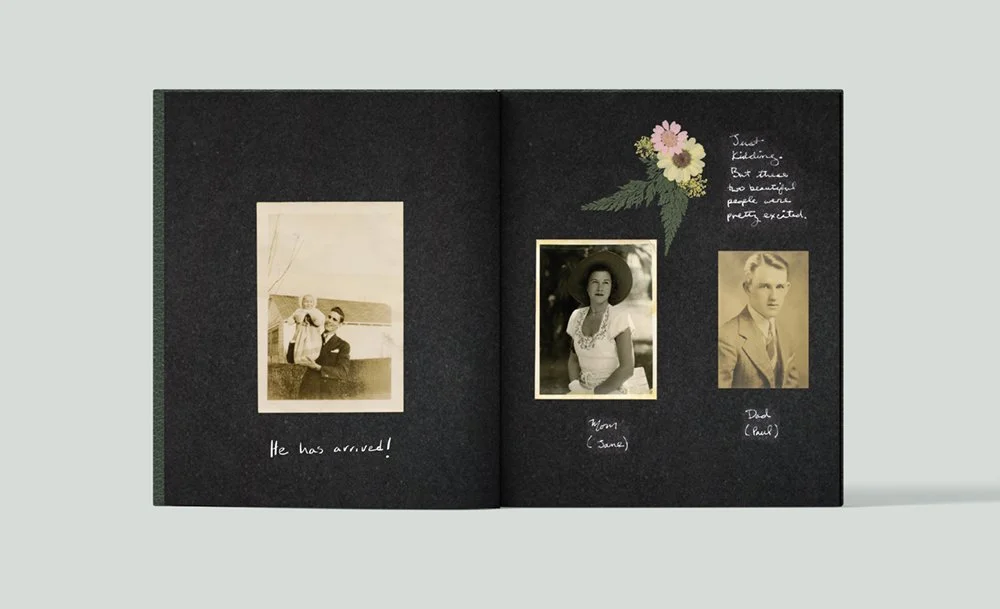
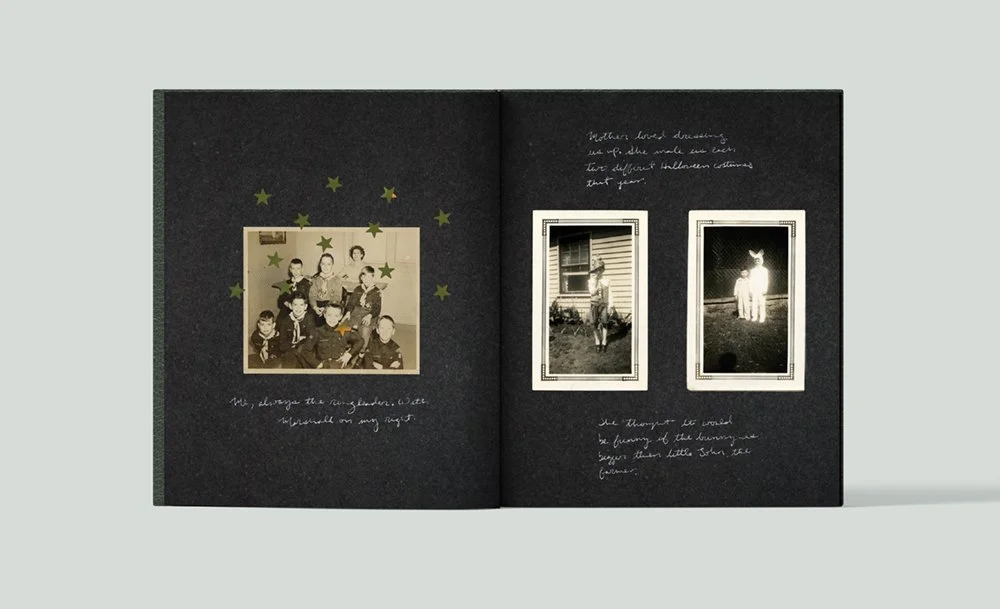
Built from vintage photographs sourced over several years, the project unfolds like a family album assembled by the subject himself. Through carefully sequenced images, Finley traces the life of “Uncle Ken” from childhood to adulthood, charting friendships, love, career, and everyday moments that together form a beautiful and radical premise: what if a queer life in the twentieth century could have been not tragic or hidden, but simply ordinary?
The project grew from an unexpected discovery in Finley’s own family history.
“I have been working on this project since the summer of 2020 when I was poking around ancestry.com to learn some family history,” Finley explains. “My parents divorced when I was a baby, and during my research, I was on the phone with my mother when she mentioned, ‘I think your father had a brother that was gay, but he died young.’ This blew my mind. I came out to my mother over 30 years ago! And this is the first time she mentions this?”
“‘I think your father had a brother that was gay, but he died young.’ This blew my mind. I came out to my mother over 30 years ago! And this is the first time she mentions this?”

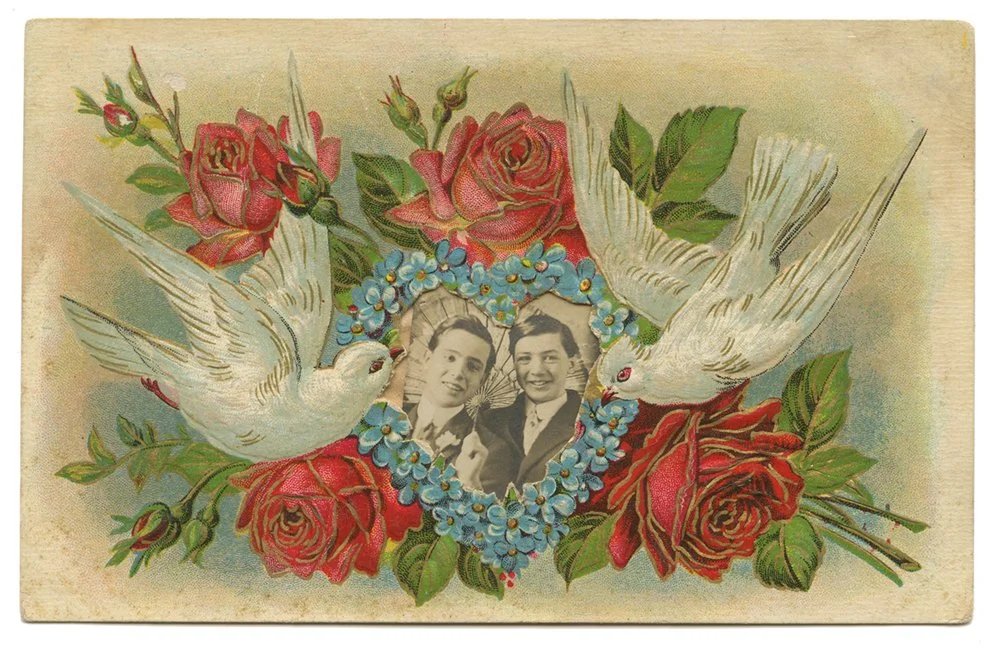
The revelation struck deeply. Finley’s own coming-out experience had been shaped by disapproval and isolation, and the idea that a relative might have shared a similar struggle stirred both curiosity and empathy. Almost immediately, he began imagining another version of that story.
“I knew right away that I wanted to make work about it,” he says. “Eventually I hit upon the idea of telling a story about a fictional gay uncle in a parallel universe where he was loved and supported his whole life.”
While Finley initially envisioned the project as a gallery-based photographic series, the idea evolved as the narrative grew.
“Initially, I conceived of it as a photo series, as I had been focused on getting my work on gallery walls at that point in my career.” he says. “The idea of making it a book came about a year later when I became determined that the story be seen by more people than could ever drop in to a gallery show.”
Constructing that story became an exercise in patience and intuition. Over the course of five years, Finley combed online marketplaces daily, searching for vintage photographs that could inhabit Uncle Ken’s imagined life.
“I was finding and adding photos right up until the book went to press!” he recalls. “I surfed eBay almost every day, searching for images that might work for the story and fit into his world.”
The process unfolded as a collaboration between narrative intention and serendipity. Finley began with a rough outline of Ken’s life, but the photographs themselves frequently reshaped the story.
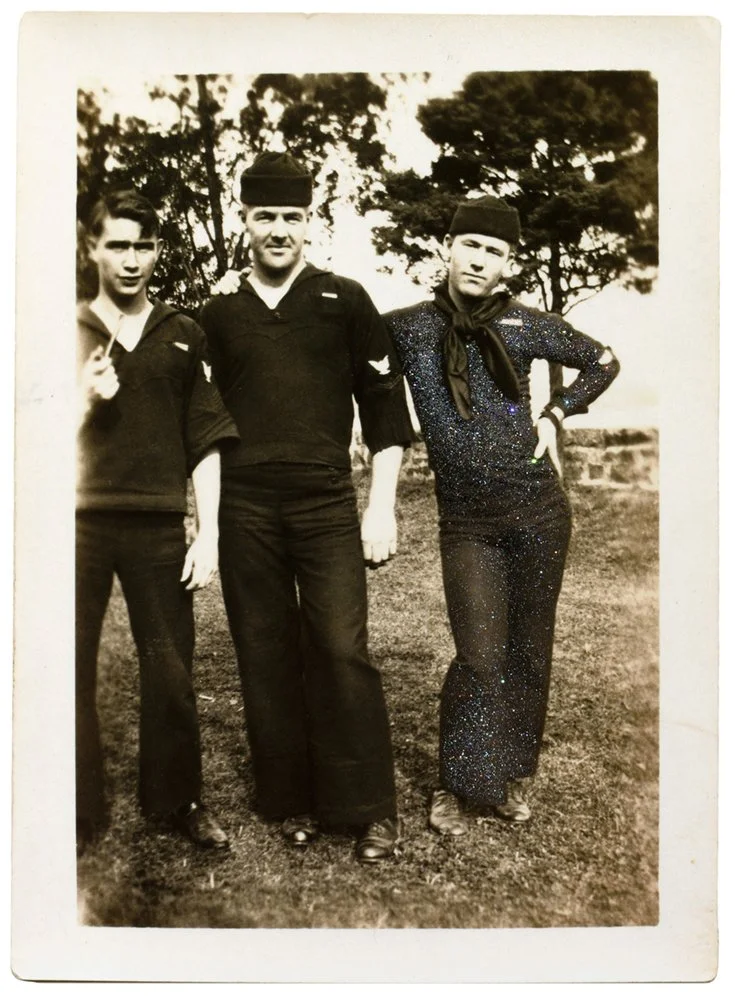
“Imagining this uncle’s ‘idealized life,’ I wouldn’t necessarily have included a tour in the Navy, but since I kept coming across so many great images of affectionate service men, I ended up shipping him off around the world.”
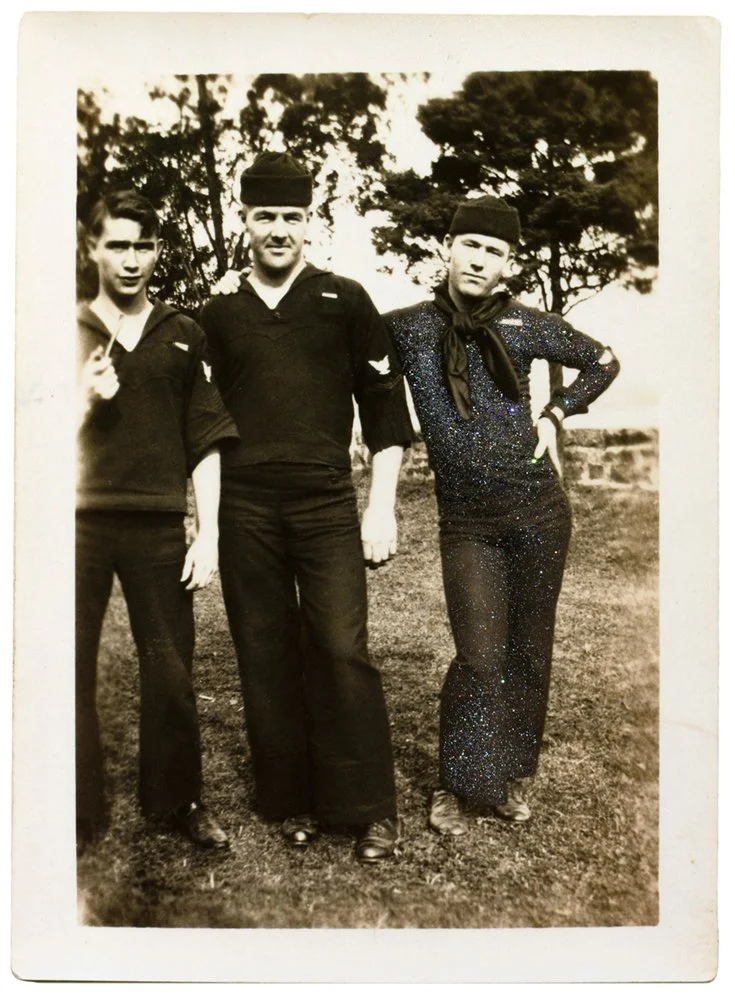
Other narrative shifts came from similar encounters with the archive. Finley originally imagined Ken working at a job where he could give back to the community, possibly as a teacher, but struggled to find images that supported the idea. Instead, a series of photographs depicting a man opening a diner suggested a new path.
“My first impulse was a teacher, but photos of ‘him’ teaching a class were hard to come by, so I decided to change his calling to that of cook or chef,” Finley explains. “I found great shots of a man opening a diner, so he could express his caring that way.”
Although the images themselves were created by unknown photographers decades ago, Finley’s project is deeply autobiographical. Many characters in Uncle Ken’s life are loosely inspired by people from Finley’s own. Ken himself is named after Finley’s college drama teacher, the first openly gay man he knew. His best friend, Christy, is a teacher and so is Ken’s mom, so he named Ken’s sister Christina. Ken’s husband’s name, Grant, is Finley’s husband’s middle name. Small details throughout the story echo real relationships, quietly weaving the artist’s personal history into the fictional narrative.
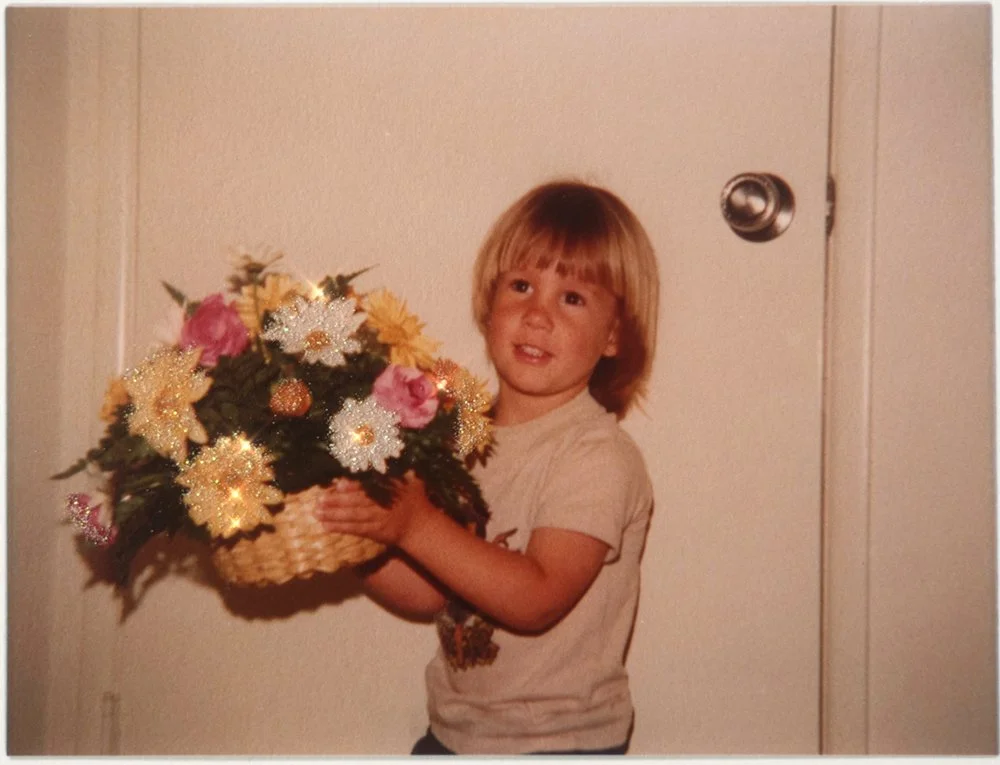
In exhibitions, Finley further transforms the vintage photographs through physical intervention. Inspired in part by Amy Friend’s Dare Alla Luce series, he embellishes select images with glitter, allowing the surfaces to shimmer in the light.
“I tried all sorts of things in an effort to imbue a feeling of joy and whimsy: crayons, markers, paint,” he says, “but I kept coming back to glitter. The way it added not only those feelings, but caught the light and gave a nod to the history of queer nightlife seemed pretty perfect.”

“I tried all sorts of things in an effort to imbue a feeling of joy and whimsy: crayons, markers, paint, but I kept coming back to glitter. The way it added not only those feelings, but caught the light and gave a nod to the history of queer nightlife seemed pretty perfect.”
The glittered surfaces catch and scatter light, lending the prints a celebratory energy that contrasts with the anonymity of the original photographs. At the same time, the material transformation acts as a metaphor for reclaiming and reinterpreting the past.
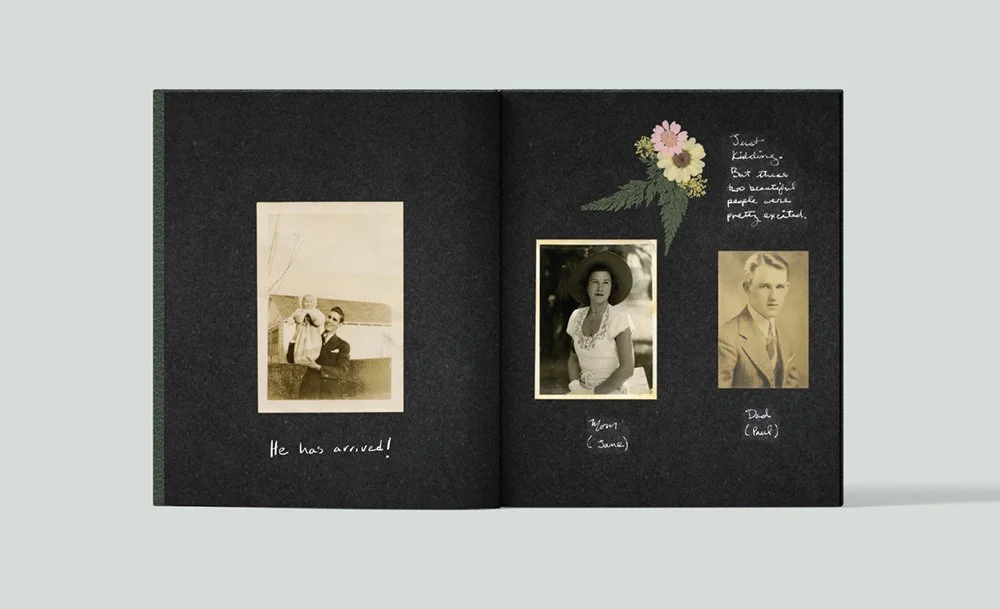
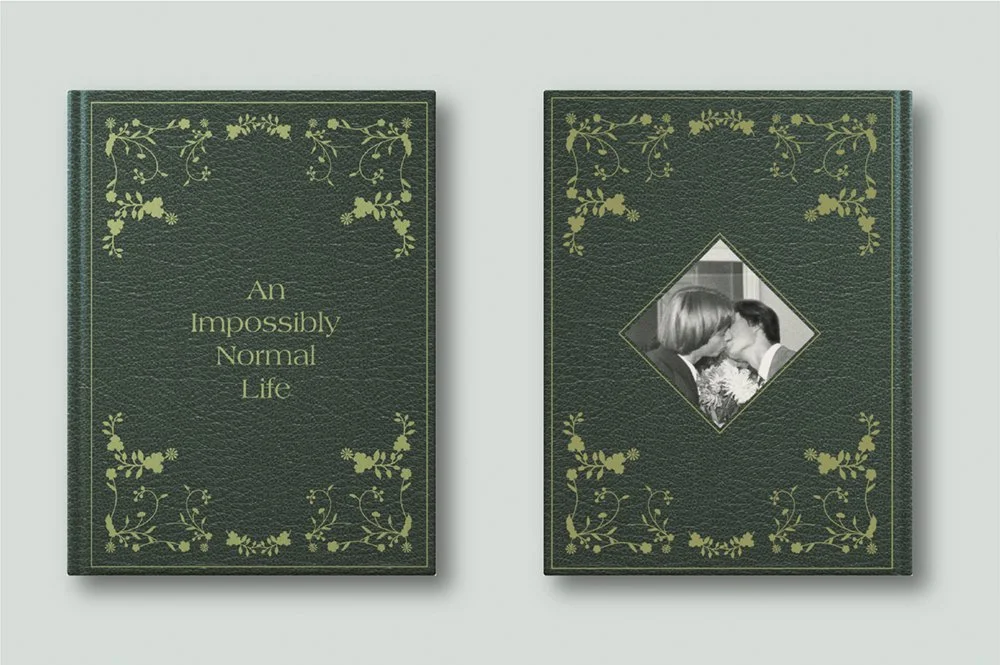
The project exists in multiple forms. In gallery exhibitions, Finley selects a handful of key images from each chapter of Uncle Ken’s life, presenting them as highlights within the broader narrative. The book format, however, allows the story to unfold more expansively, layering photographs with letters and additional details that deepen the emotional arc.
“In the book version, I can use many images to illustrate each section of Uncle Ken’s life. But for gallery and exhibition shows, I have to pick one or two images for each section. It’s about choosing the ‘highlights’ from each group of images. Standout images that also move his life story forward. Yet, the glitter of the show prints doesn’t photograph well. You lose the energy of the reflected light, so I had think of how the book could channel that same emotional content. That led me to adding more story with details such as the three letters… and then those letters also became aspects of the gallery show! So, the print and the book versions informed each other in my creative process. I think it made them both richer. As I have shown different iterations of the project, I have made new prints along the way, so now I have fifty images that can be utilized depending on the size of the gallery space.”
“Initially, I conceived of it as a photo series, as I had been focused on getting my work on gallery walls at that point in my career. The idea of making it a book came about a year later when I became determined that the story be seen by more people than could ever drop in to a gallery show.”
For Finley, working with found photographs initially raised questions about authorship and reception. Unlike his previous projects, which centered on images he created himself, An Impossibly Normal Life relies entirely on photographs made by others.
“At first, I struggled with it. Once I knew I wanted to make work about a fictional queer uncle, my first thoughts were, how do I pull it off? Should I dress up like him or dress up others for the photographs? Is it a project of re-creation, or simply homage? But every idea felt too much like make-believe. Then, I had the thought of using vintage photos to tell his story. Real images of real people in our world, yet reimagined. As I went down that road, I wondered how it would be received since it was not my own photography, but I was just so excited about it that I accepted that what will be will be and just kept going,” he says. “I’m happy to say that none of those doubts or fears have materialized.”
Indeed, the response has been overwhelmingly positive from both viewers and critics alike, with the project winning various accolades in 2024 and 2025, including Photolucida’s Critical Mass Top 50 in 2025.
“It’s been the most successful project of my career so far,” Finley says. “I’m so happy that it’s resonating with people.”
Ultimately, the emotional power of An Impossibly Normal Life lies in its speculation. By constructing a joyful and affirming life for a fictional relative who may never have had the chance to live one, Finley offers both a tribute and a form of healing.
The project reminds viewers that photographs do not simply preserve the past. They also hold space for longing, possibility, and the stories we wish the world had allowed to exist.
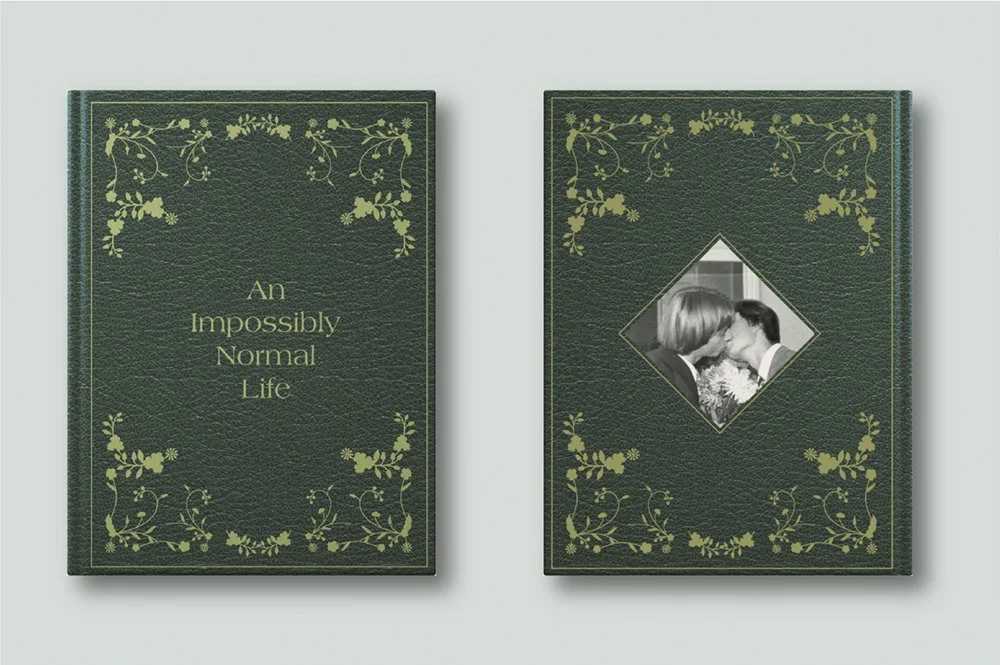
To Purchase book:
https://falllinepress.com/products/an-impossibly-normal-life-by-matthew-finley
Additionally, Matthew will be at the Center for Photographic Arts in Carmel-by-the-Sea, CA for a book signing on May 1 as part of Photo Carmel.
GALLERY





ABOUT THE ARTIST
Matthew Finley (b. 1972) uses a variety of photography processes to communicate his life’s experience and form emotional connections to viewers.
Growing up queer, Finley’s experiences of loneliness and separation from the world around him fostered a fear of being singled out, yet at the same time a desire to see and truly be seen by others. Now, as an adult with social anxiety, the studio is a safe space where he can be vulnerable and express his true self that wants to dialogue with an audience. Creating and exhibiting his work is a way to forge relationships with viewers outside of traditional social pressures. The photography tells autobiographical stories which convey an emotional honesty of experience. He addresses issues such as his coming out story, intimate relationships, and the healing power of nature.
Matthew Finley's images are conduits to expose his personal and closely held emotions which would otherwise go unexpressed, and start a dialogue around queer issues, personal growth and universal emotional commonalities.
ABOUT THE AUTHOR
Laura Barth is a lens-based multidisciplinary artist whose work has been showcased in galleries and in print in the United States and abroad. She transforms memory, spirituality, and personal mythology into tactile, emotive visual alchemy through experimental analog photographic processes, particularly Polaroid emulsion lifts.
Laura became passionate about analog and instant photography because of its unique ability to capture moods, feelings, and memories, as well as the freedom it allows for creative experimentation, physical manipulation and incorporation of mixed media. She is drawn to intuitive and experimental approaches that create unpredictable results and imperfections in the final image, inviting the viewer to fill in the blanks with their own experiences.
RELATED ARTICLES
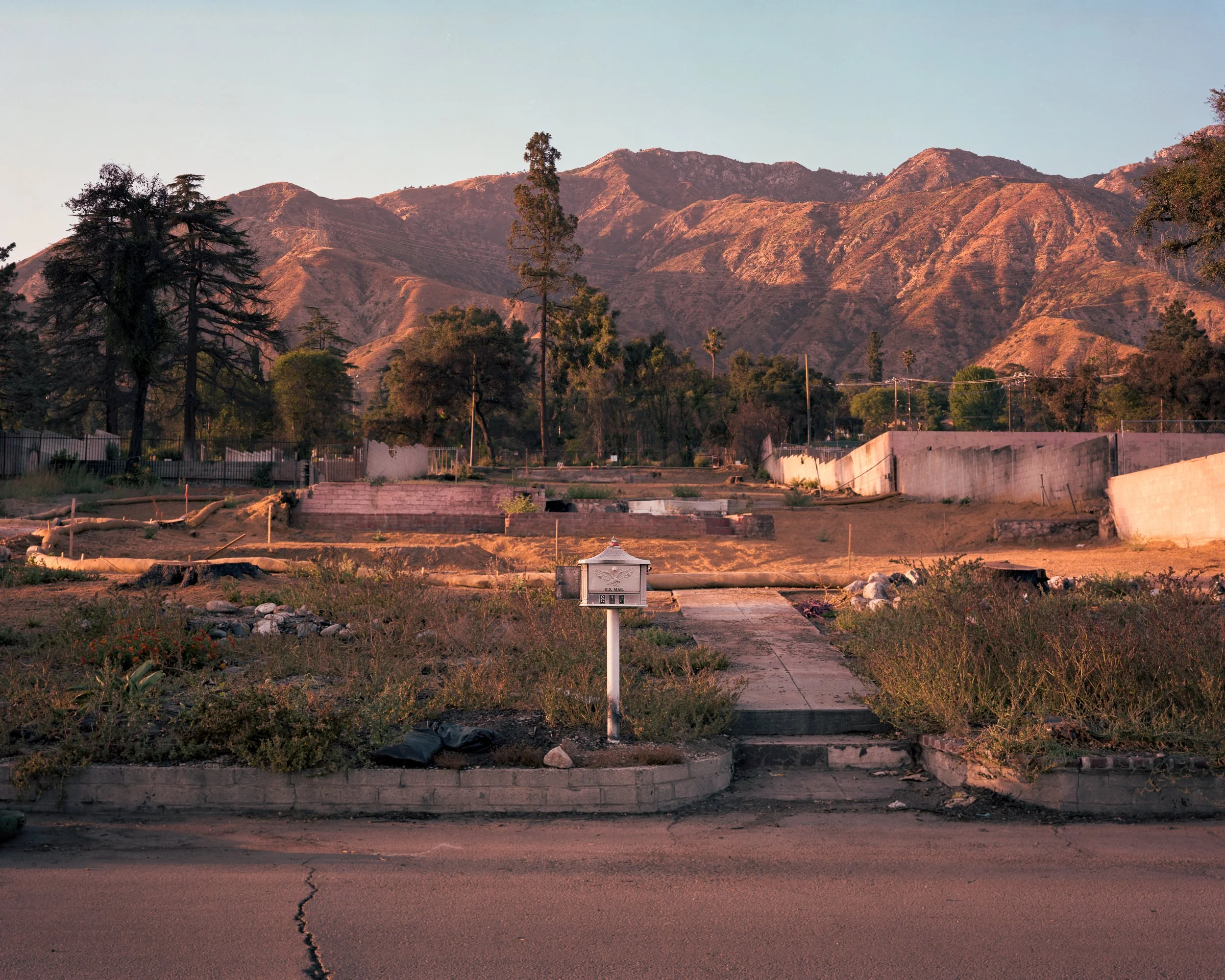
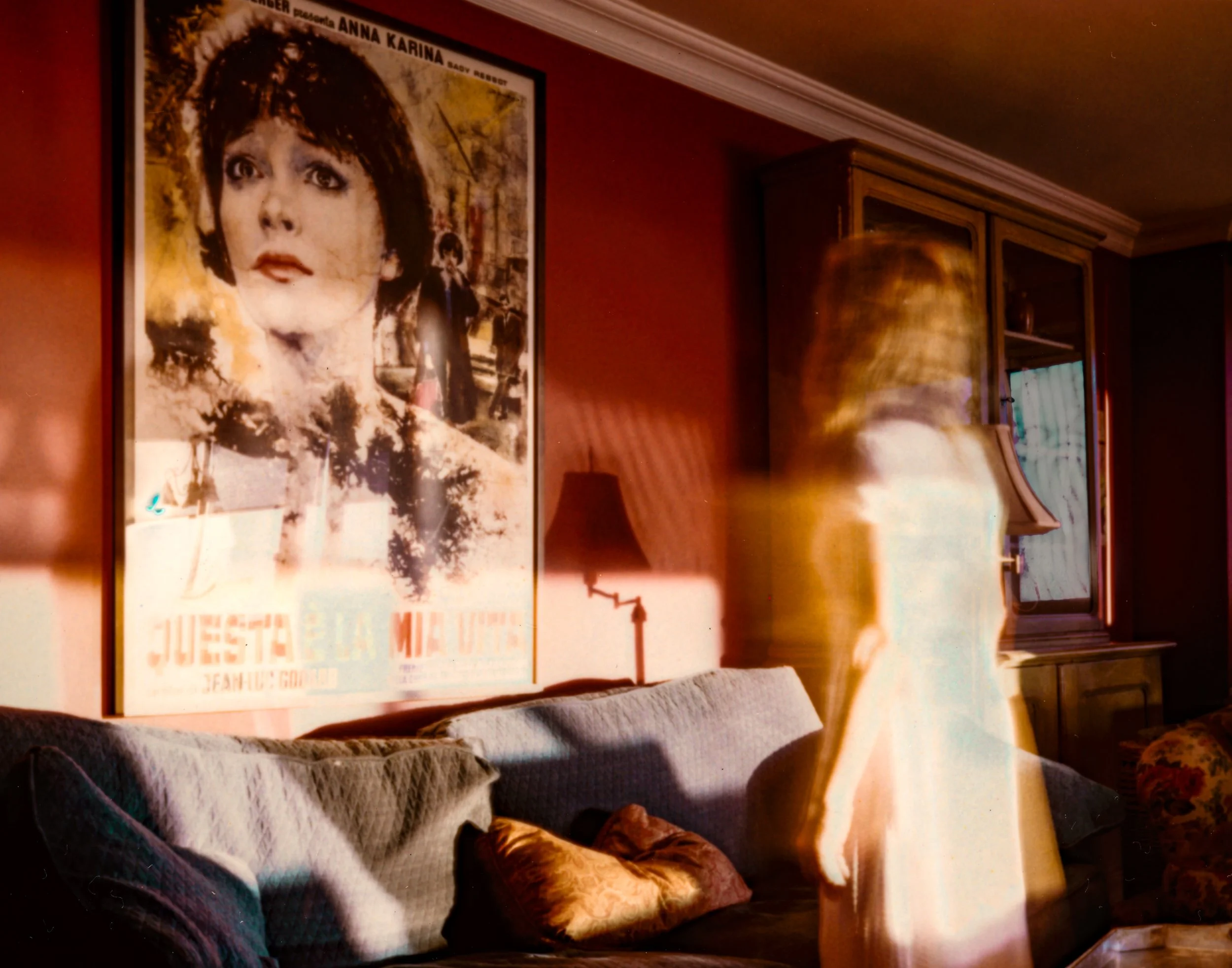





In rural Kansas, large-format photographer and master printer Michael Strickland is pushing traditional printmaking to extraordinary lengths. For his Of the Earth series, Strickland grinds soil, clay, and charred wood gathered from the landscapes he photographs into pigments for his color carbon prints, physically embedding the land within the finished work. We spoke with Strickland about process, place, the disappearing craft of photographic printmaking, and why the physical print still matters.