Interview: Dawn Surratt - “Real But Not True”
I first encountered the work of Dawn Surratt in the way many of us discover photographers today, through texture and form that insists you slow down and pay attention. Some photographs announce themselves loudly, but Dawn’s photographs do quite the opposite. They draw you in with a quiet confidence, and ask you to linger for a moment longer than you’d expected.
There’s a sensitivity in her work that feels deliberate but never forced. The images carry a sense of observation. They highlight the small shifts of light, gesture, atmosphere, and place that most people might pass by without noticing. Her work suggests patience. You get the sense that Dawn isn’t simply photographing what is in front of her; she’s responding to it, spending time with it, allowing the subject to reveal itself gradually. And I love that.
What I find particularly compelling about her photographs is how they balance clarity with a certain openness. They feel grounded in the real world, and recognize spaces, textures, and moments, yet leave room for interpretation. There’s a poetic quality that runs through the work, not in an overly dramatic way, but in the subtle way that mood and meaning unfold over time. These are photographs that stay with you.
During our conversation, it became clear that this sensitivity in the work is closely tied to how Dawn approaches photography itself. She speaks about the process with a mix of curiosity and reflection, the kind that comes from someone who is genuinely interested in the act of making photographs rather than simply producing them. That distinction matters. It’s the difference between chasing images and allowing them to blossom and emerge.
In the interview that follows, Dawn shares insights into her process, influences, and the ideas that shape her work. It’s a conversation that offers a glimpse into the mindset behind the images. This is how she approaches the act of seeing, what draws her to certain subjects, and how photography continues to unfold for her as both a creative and personal practice.
INTERVIEW
Michael Kirchoff: Do you have any recollection of your first introduction to cameras and photographs? Was your interest in them immediate, or did it take multiple reminders of image-making to reel you in?
Dawn Surratt: I don’t have a specific memory, but I do know that I was hooked immediately. My parents loved taking pictures, and I remember them investing in a 35mm Pentax in a brown leather case when I was probably about 12 and desperately wanting to use it. Instead, I was given a Brownie to shoot with since I couldn’t touch the “good” camera. I learned how to develop film and print images in the darkroom when I was in high school. My father also gave me a Polaroid camera, which I shot with throughout college. Weirdly, I didn’t take a single photography class in college and focused on every other kind of medium instead because I think I just wanted to get some knowledge on all the other things I’d missed out on. After college, I invested in my first Nikon camera and spent my Saturdays printing those images at the local photography community center’s darkroom. I also started playing around with photo transfers and collage. Then I bought my first digital camera a few years after that and started playing with toy lenses and Photoshop.
MK: You definitely have some similarities to how I grew up around cameras and the darkroom. It’s interesting to me that after also exploring the digital realm, you’ve still made the analog way of life a bit of a priority in your work. Why do you think that is? Is it simply that your past connects you to them, or is there something more to it?
DS: Well, I think I’d have to say that probably both those things are true. My past and my memories are definitely rooted in physical objects. And then there’s also a part of me that really likes playing with a narrative by combining disparate elements and different substrates in my images, which might challenge the viewer in an unexpected way. I really like the haptic sense of working with materials. I get too caught up in my head with straight digital work all the time. I feel like I've lost my artistic grounding. How about you?
MK: Makes perfect sense to me. I do know that the physical way of working artistically sticks in my head far more than working digitally. I honestly believe that it’s a better way to learn the skillset to be a photographer, especially as an art form. I forget more than I remember when it comes to sitting at a computer to make or work on an image. There is always a constant need to be reminded of how to do things I don’t do often. Yet, I could step away from the darkroom for years, and then step right back in, and the muscle memory would take over instantly.
You mention working with different materials and methods. Is there a favorite, or one in particular, that you come back to the most? Then we need to talk about some of your more current work I’m interested in.
DS: Yes, exactly! The muscle memory. I think that because digital work is so passive, I forget it very quickly if I don’t use it often.
I love working the surface of my prints. I use matte medium to seal an inkjet print, then hand-color with pencils and solvents like mineral spirits and safflower oil to blend and wash color. I also really love distressing prints by using sandpaper on the edges, and I also like to cold wax prints and then introduce color to them with colored pencil. A print on fairly heavy paper and sealed with matte medium can withstand a lot of punishment.
MK: Interesting. The physicality is definitely a key aspect of working like this. In creating something so tactile, there has to be a motivator. I then have to ask what do you feel it is that drives you as a visual artist?
DS: That’s such a good question! I don’t think about things like that very much, and I should every once in a while. I think the things that drive me have to do with witnessing and acknowledging the human experience without trying to fix it or judge it, but just by affirming it. The acknowledgement that we are all spiritual beings, that ritual grounds us, and that our inner worlds are complex, and that they matter. I feel the need for creating art that will hold space for all the inner emotional intensity that I carry around, and working with mixed media and objects, for me, feels like they bridge that gap between the present and what came before so that memories can still be felt and then carried forward.
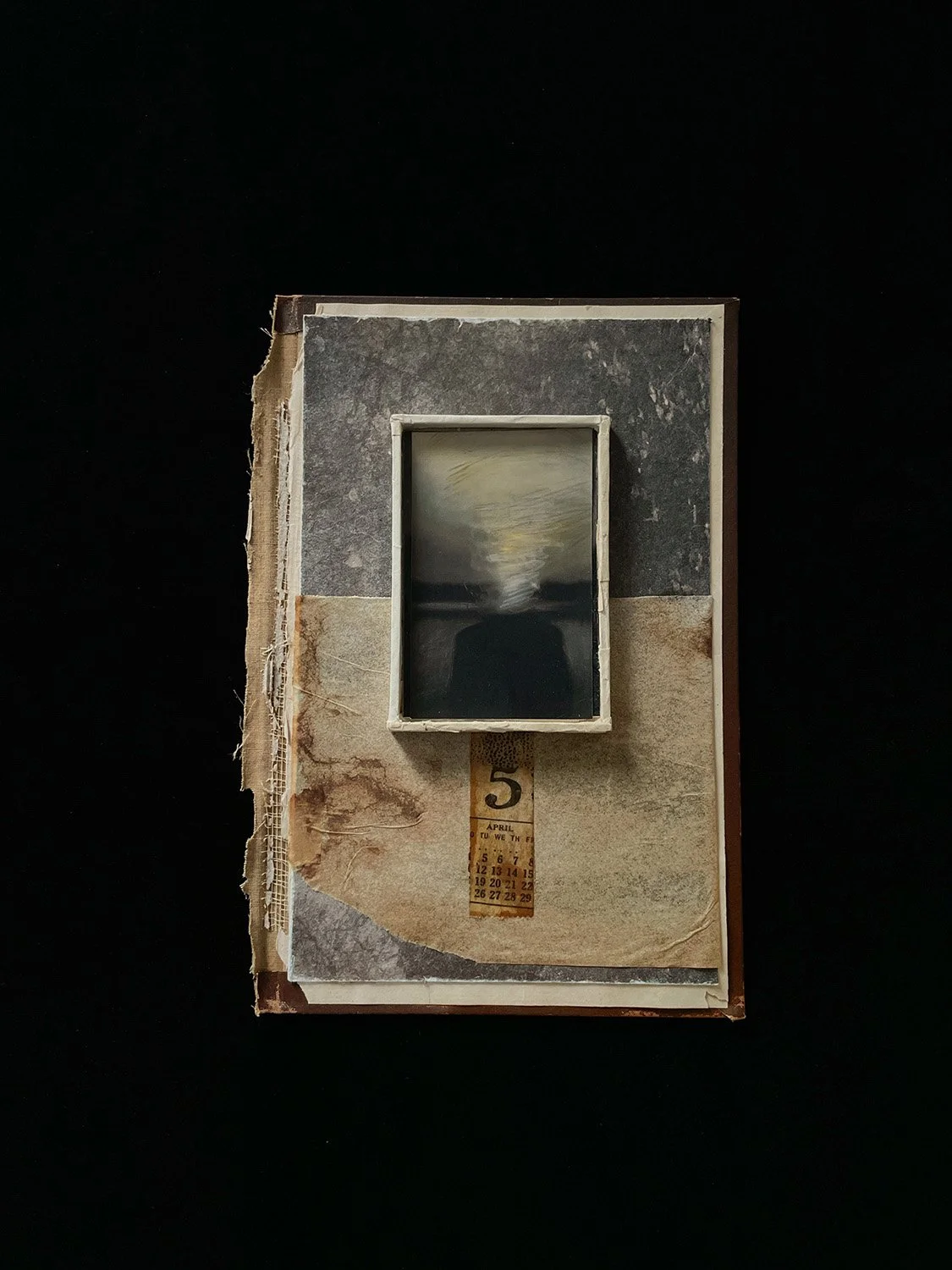
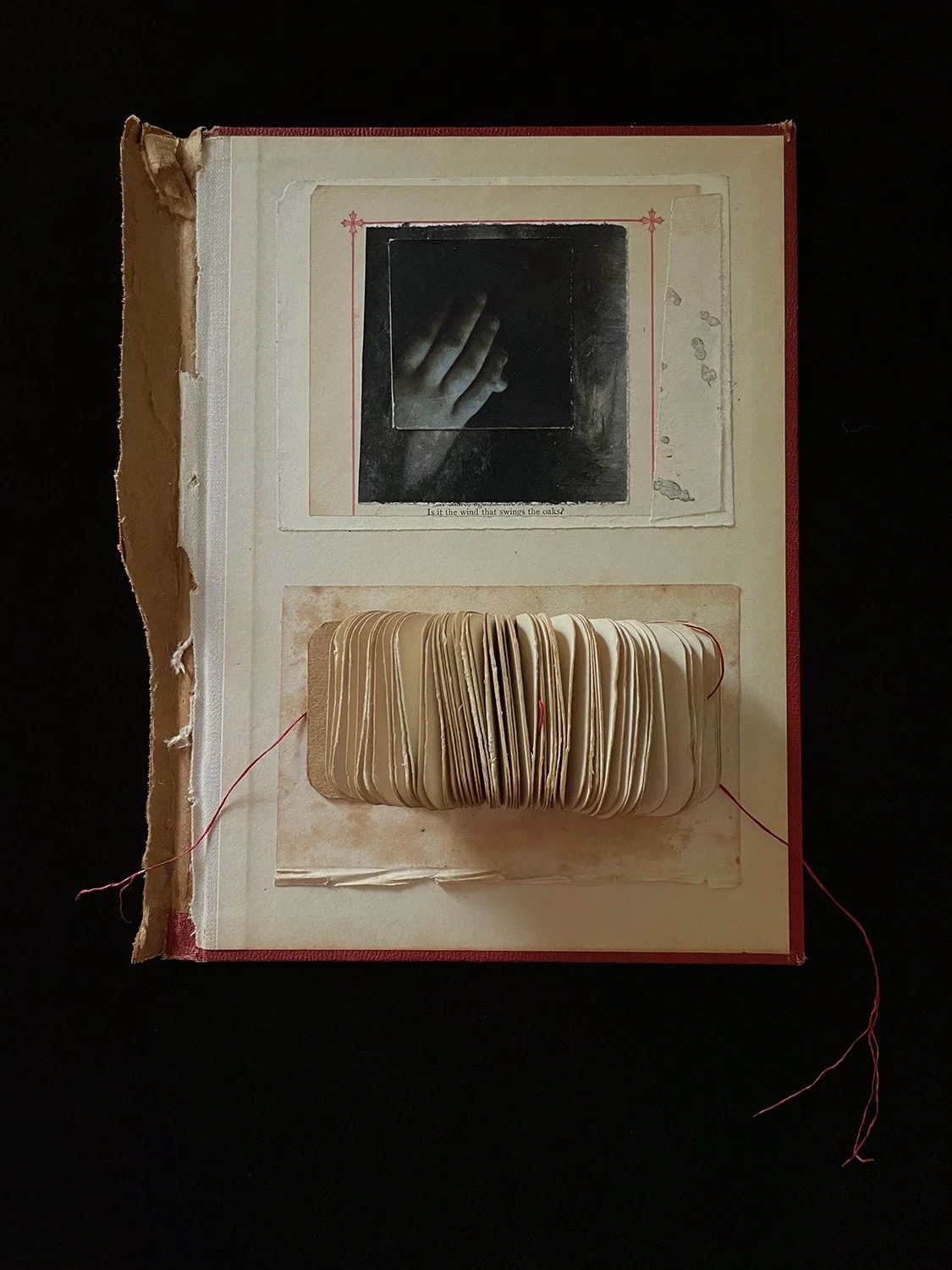
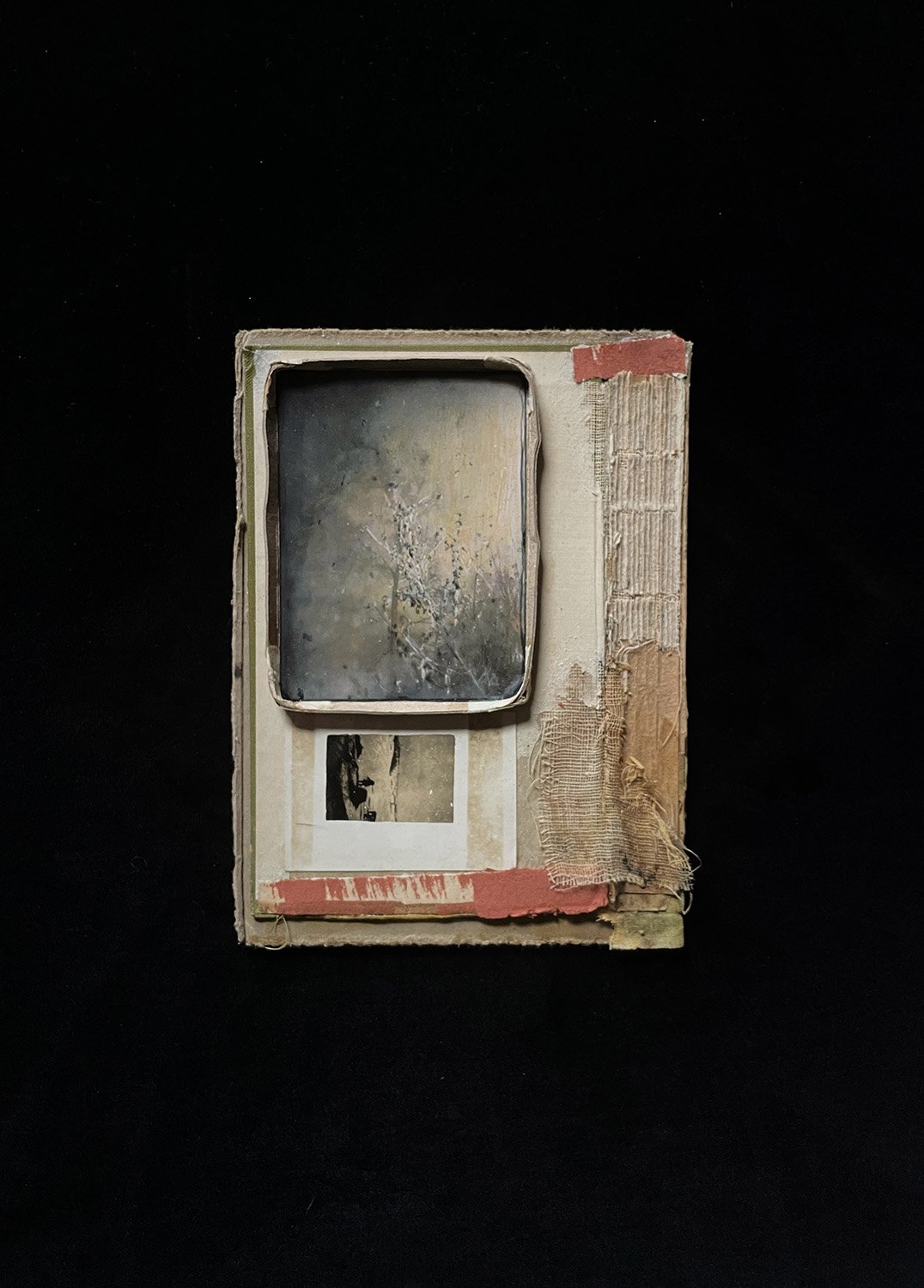
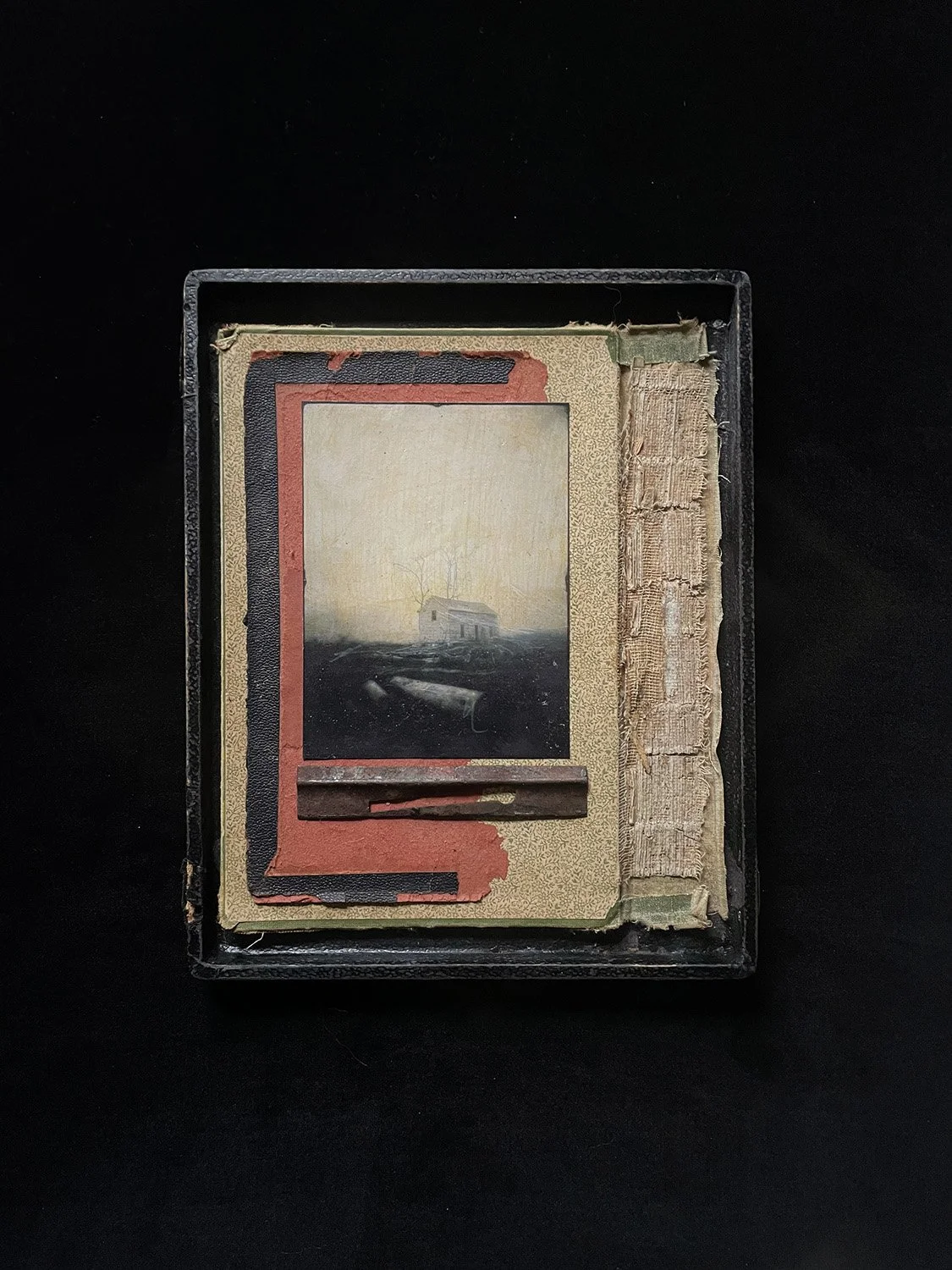
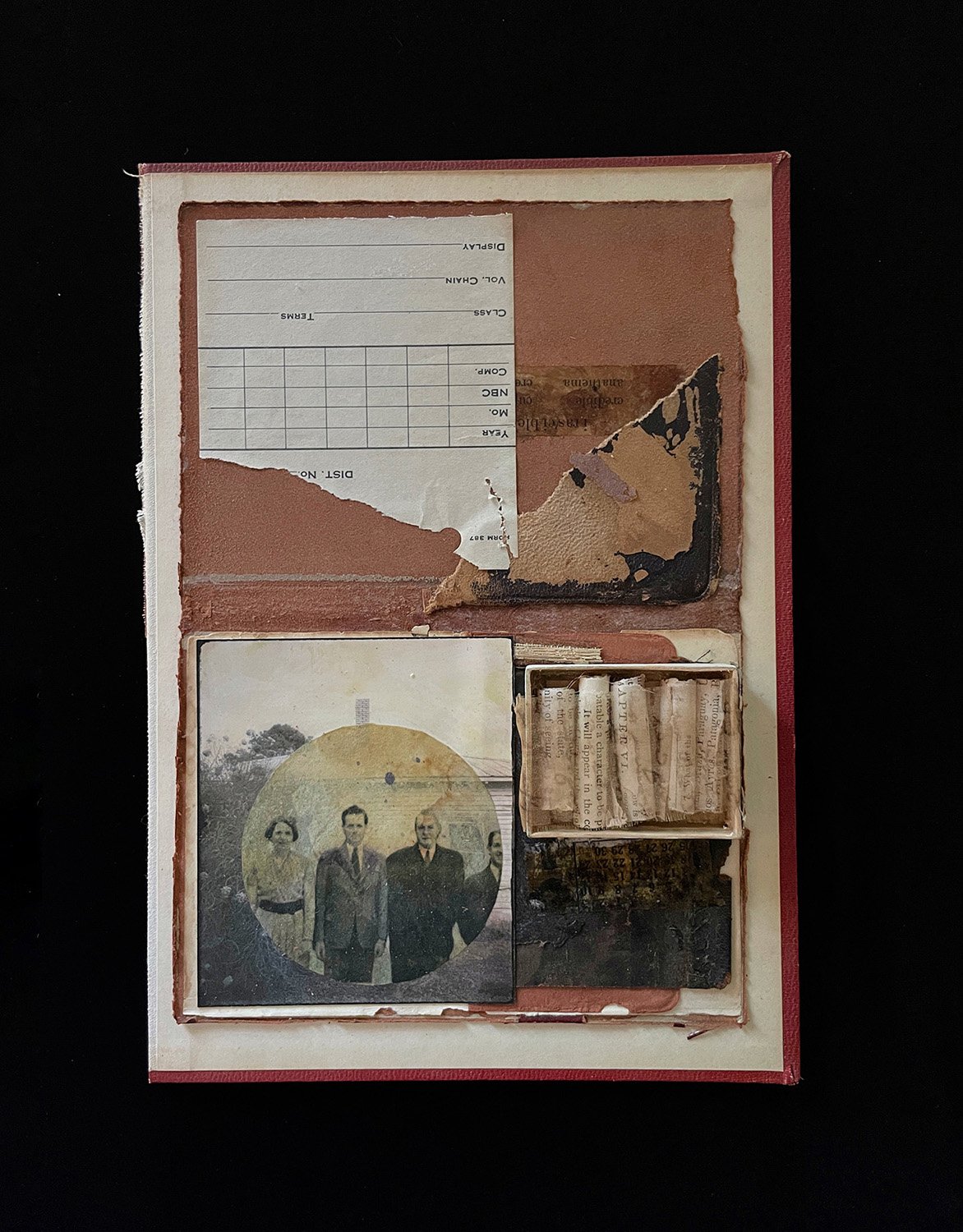
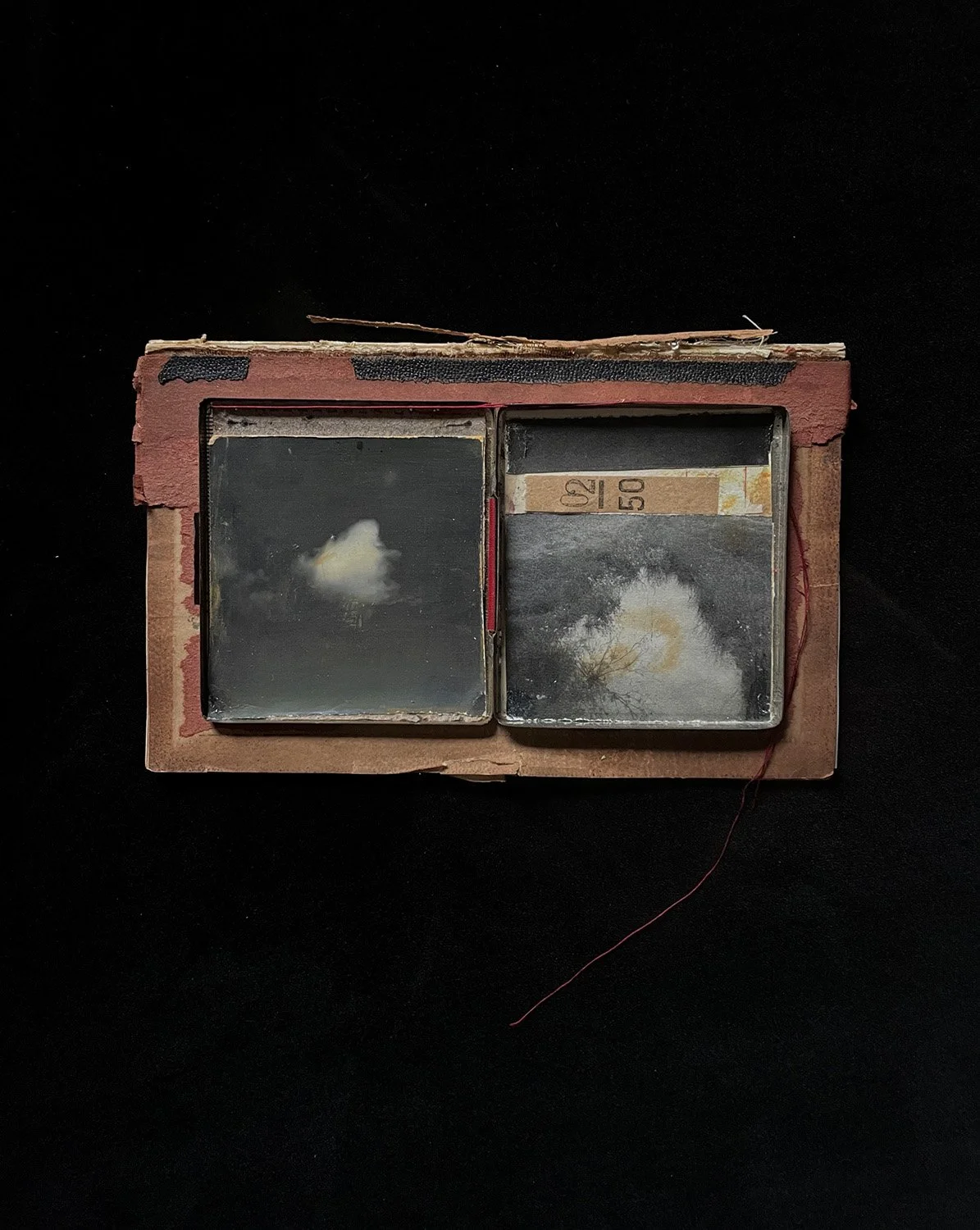
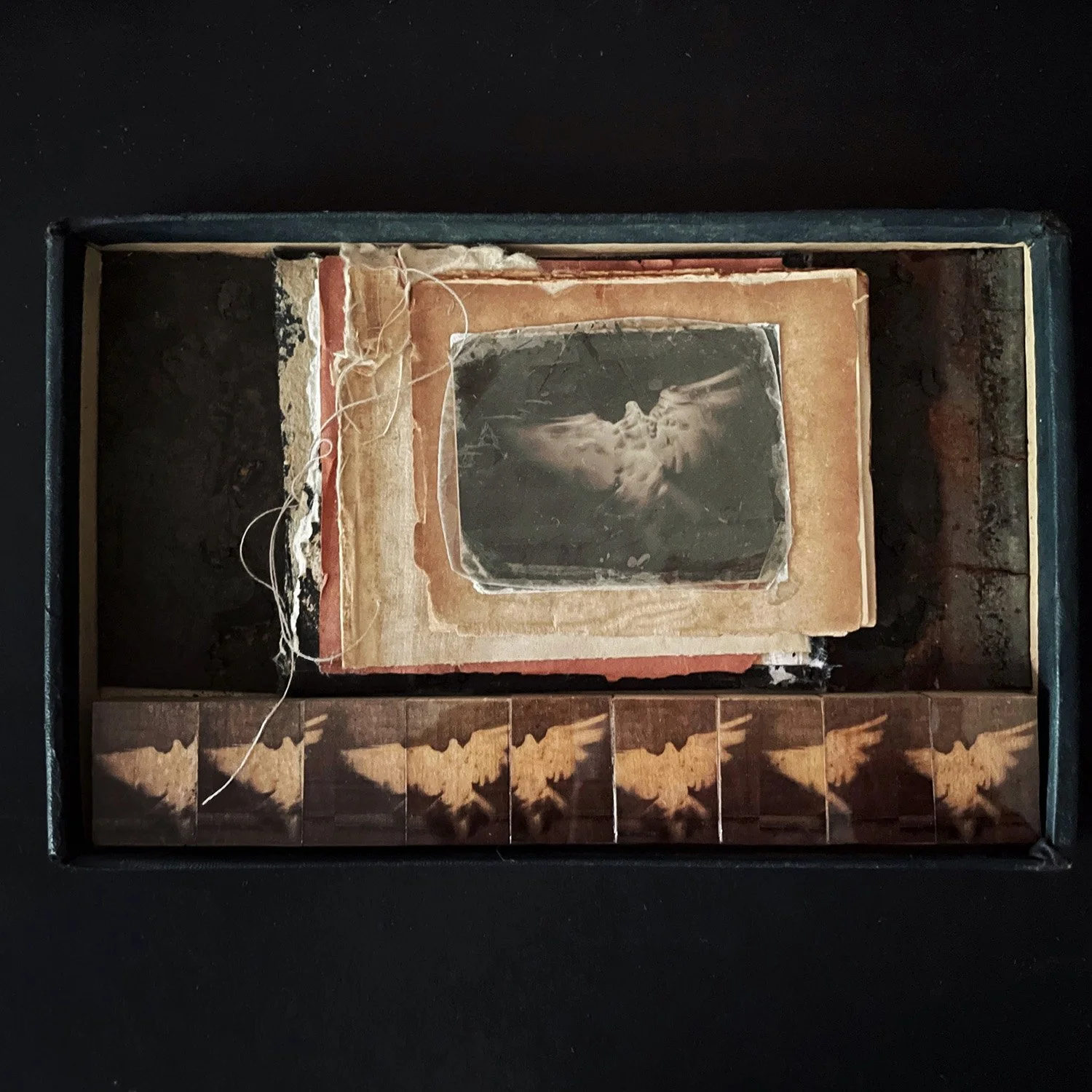
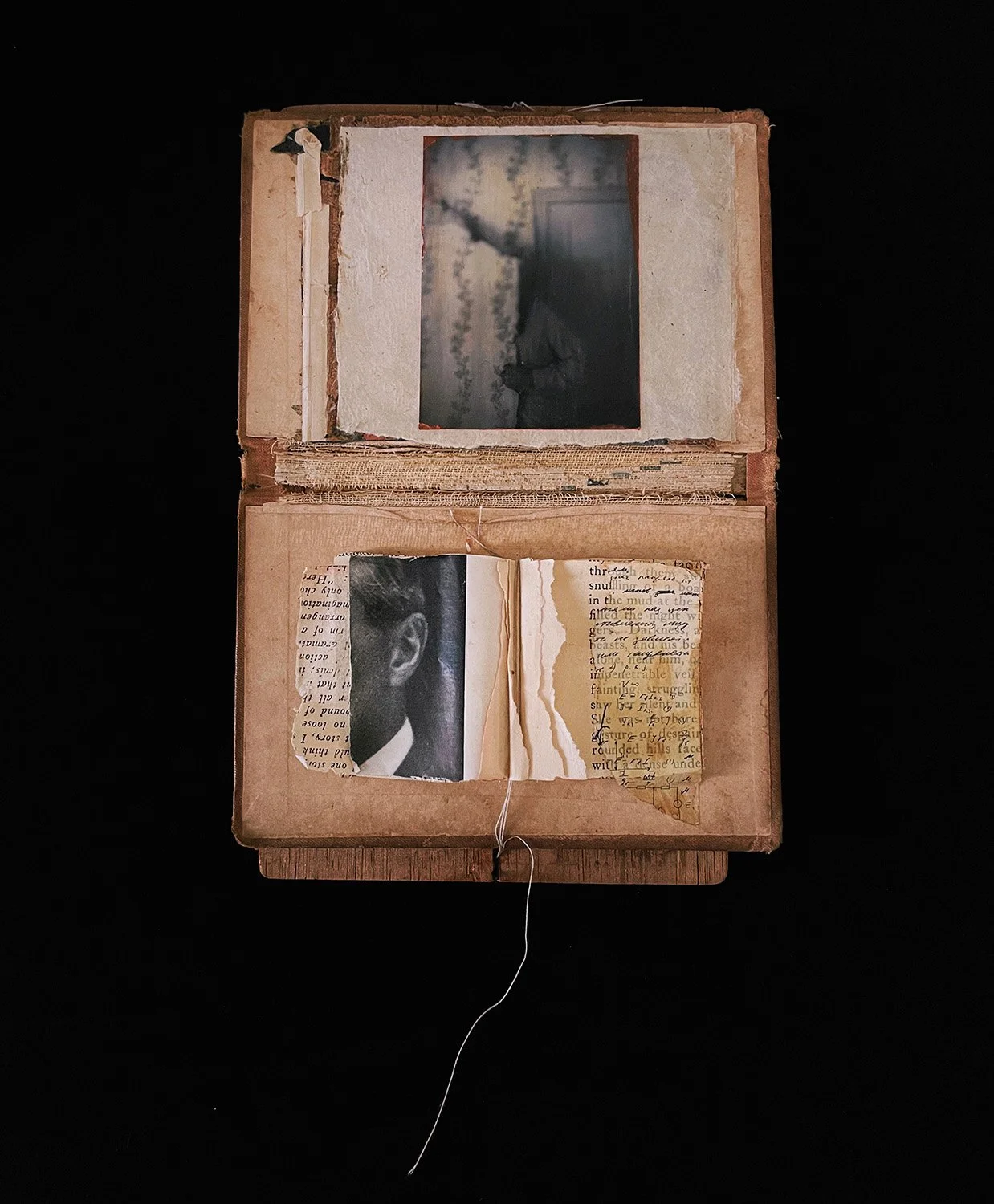
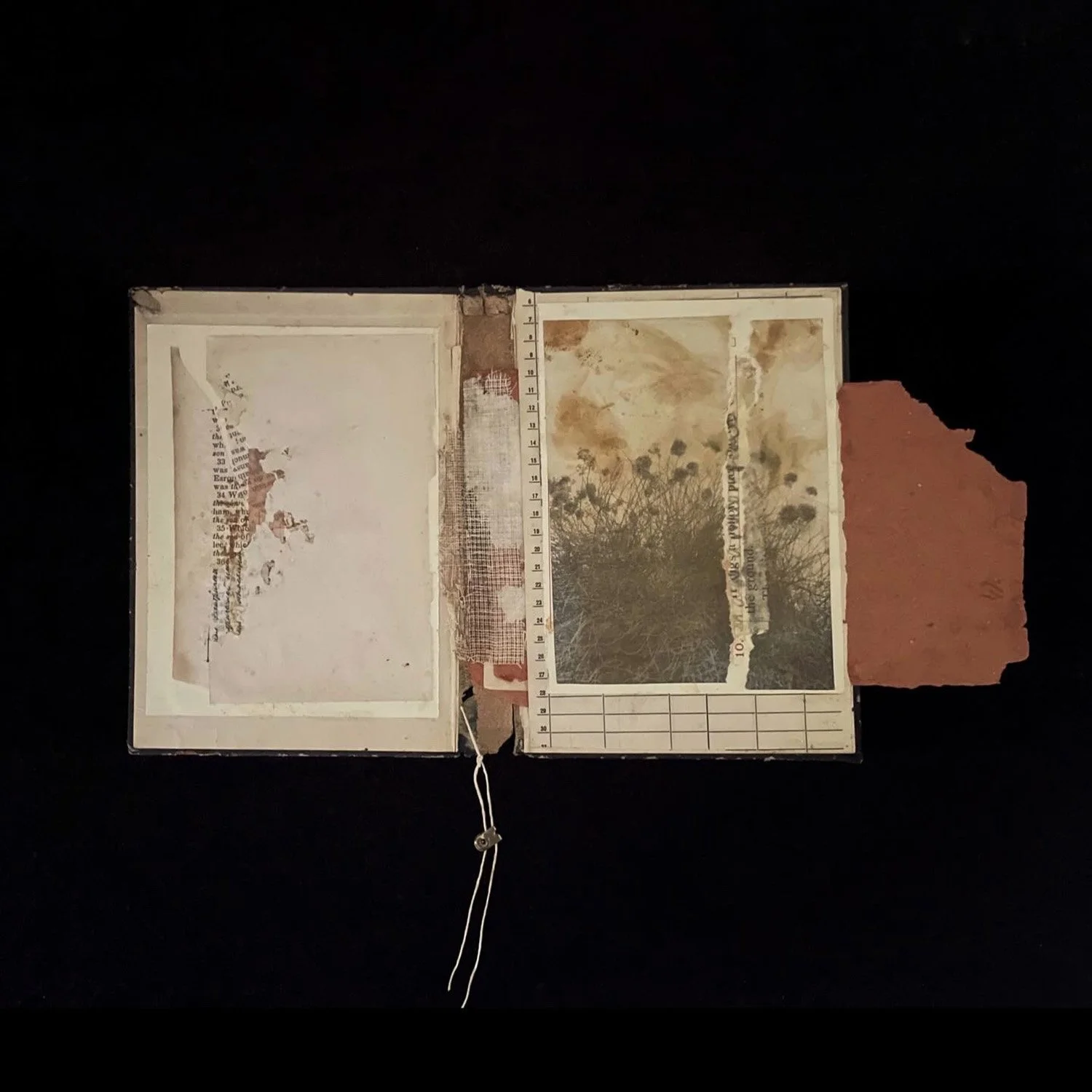
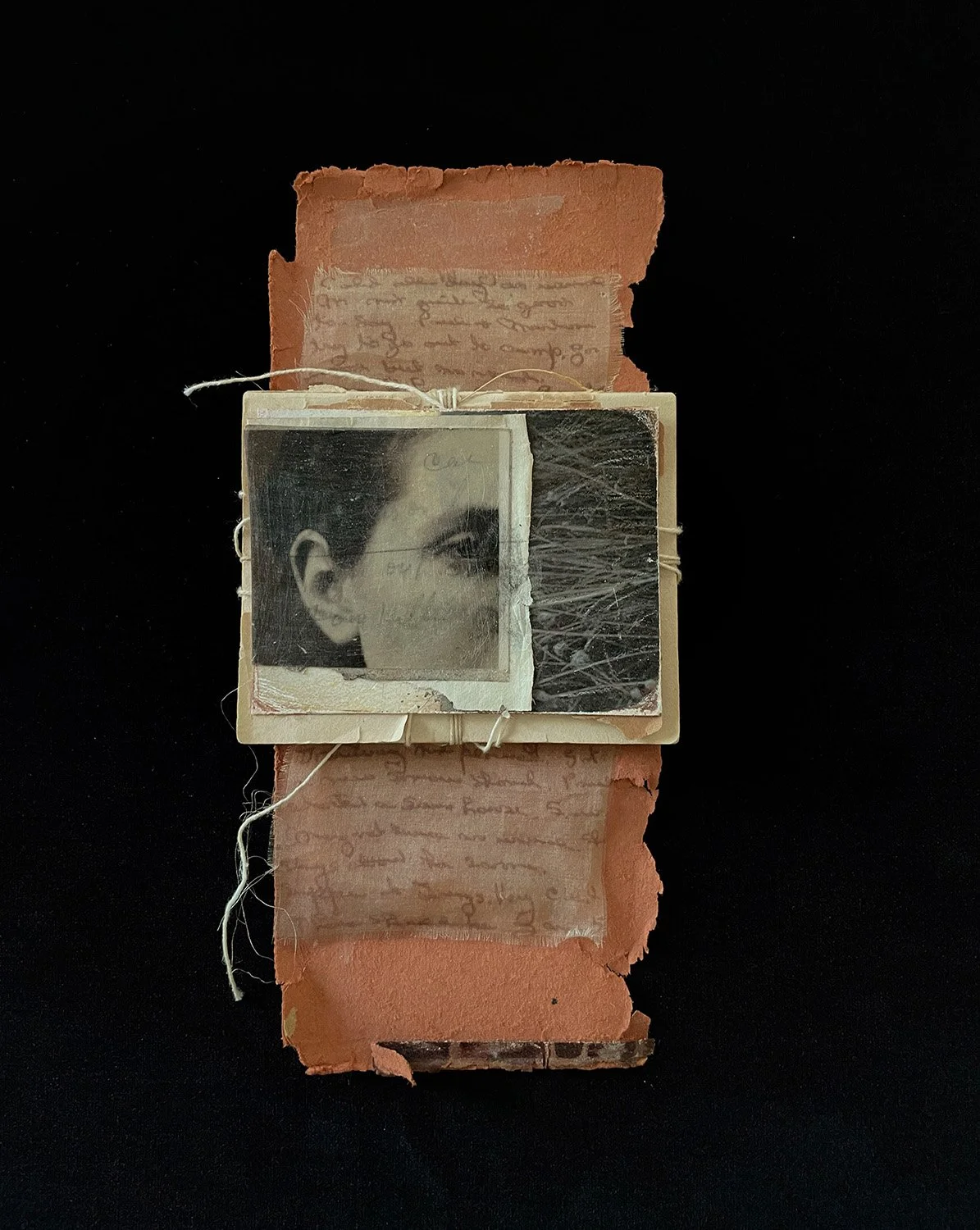
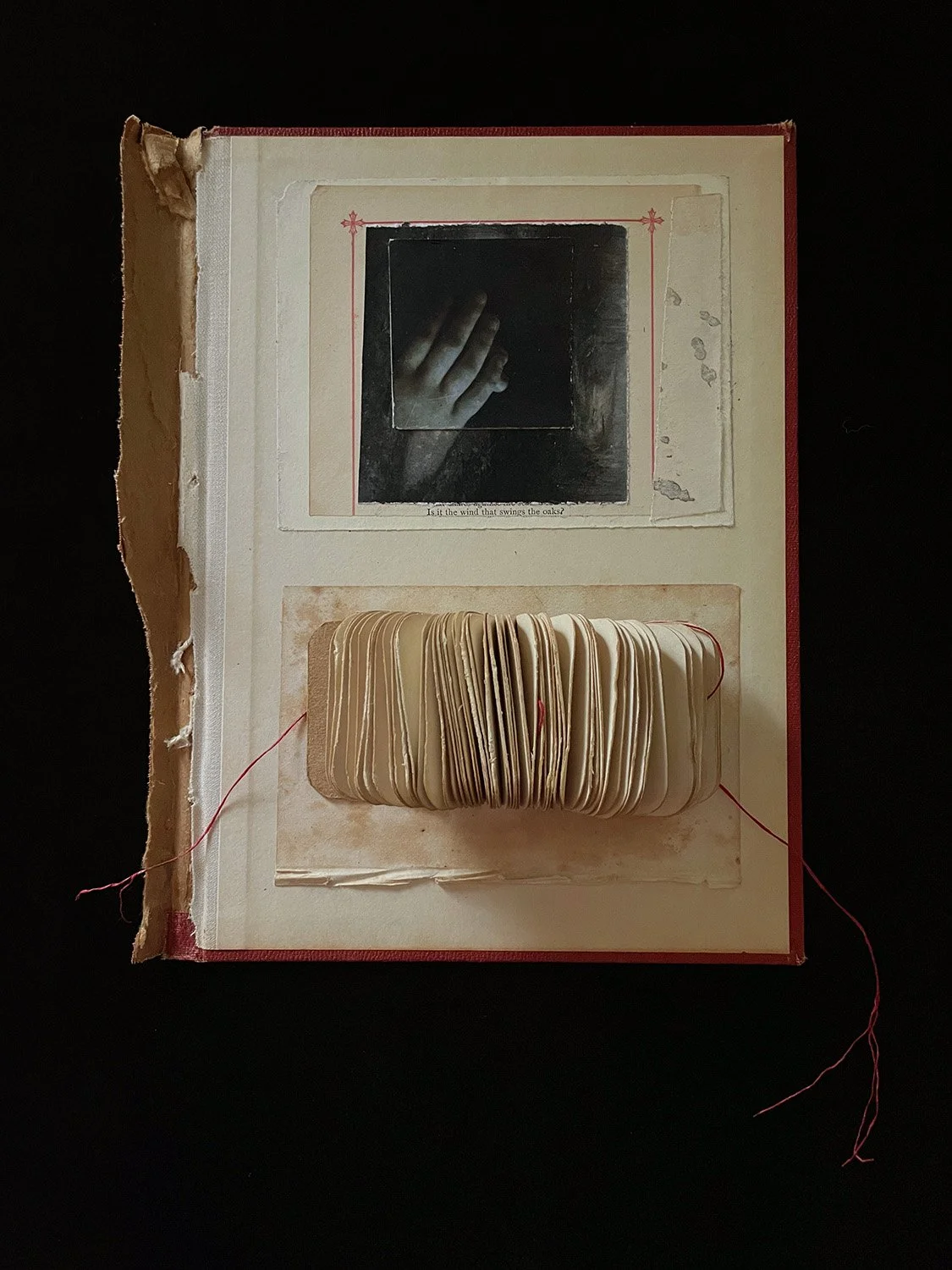
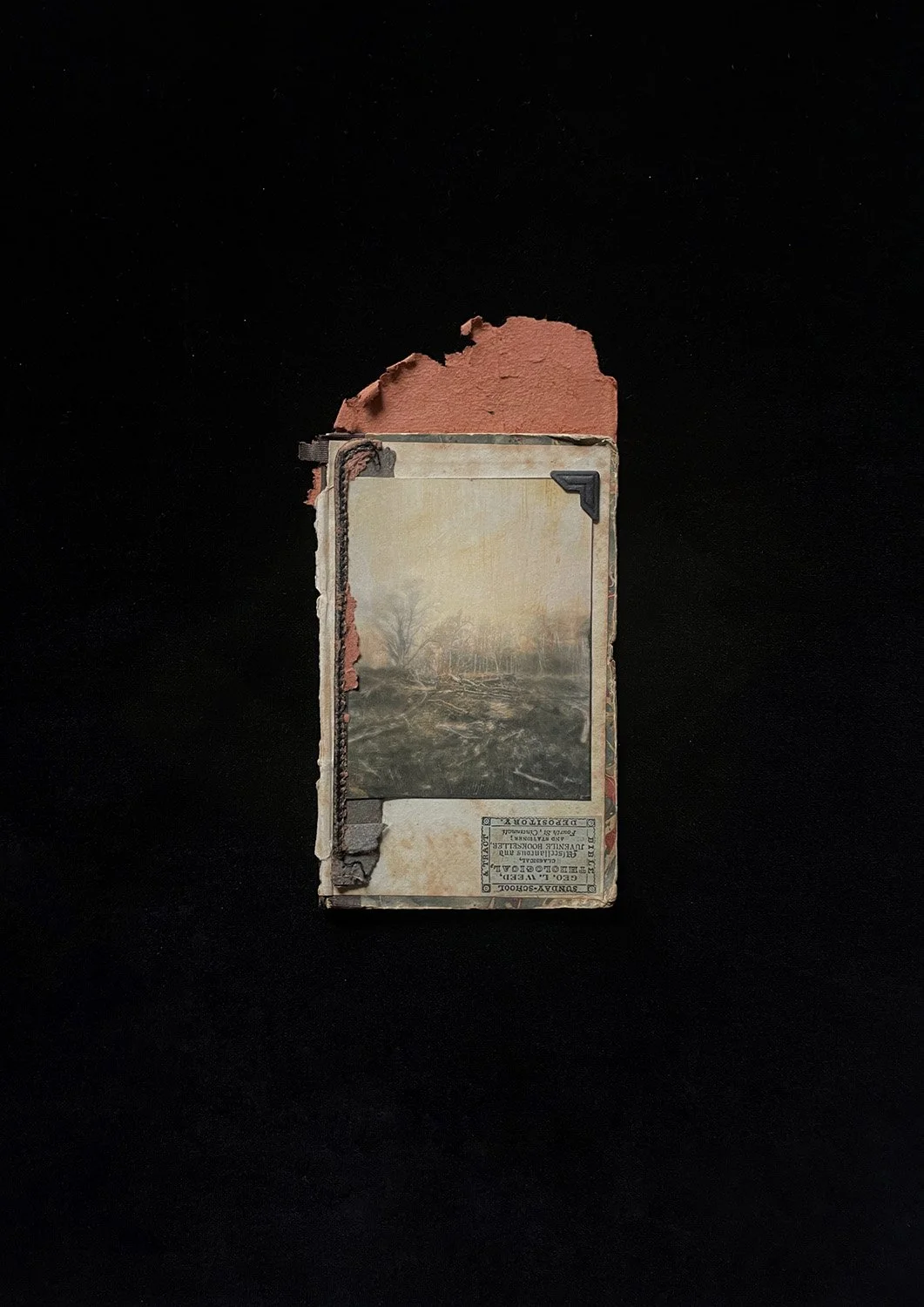
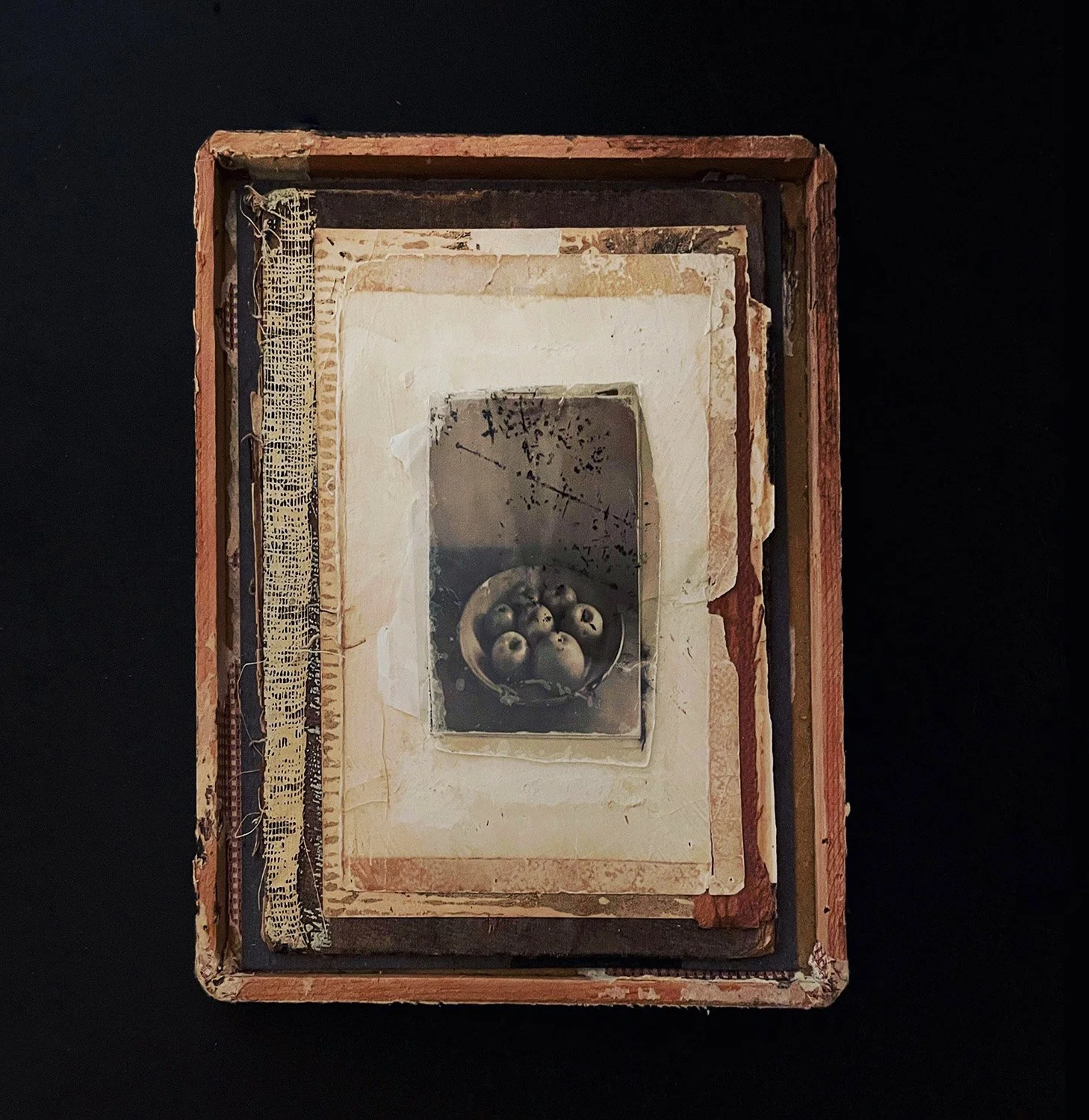
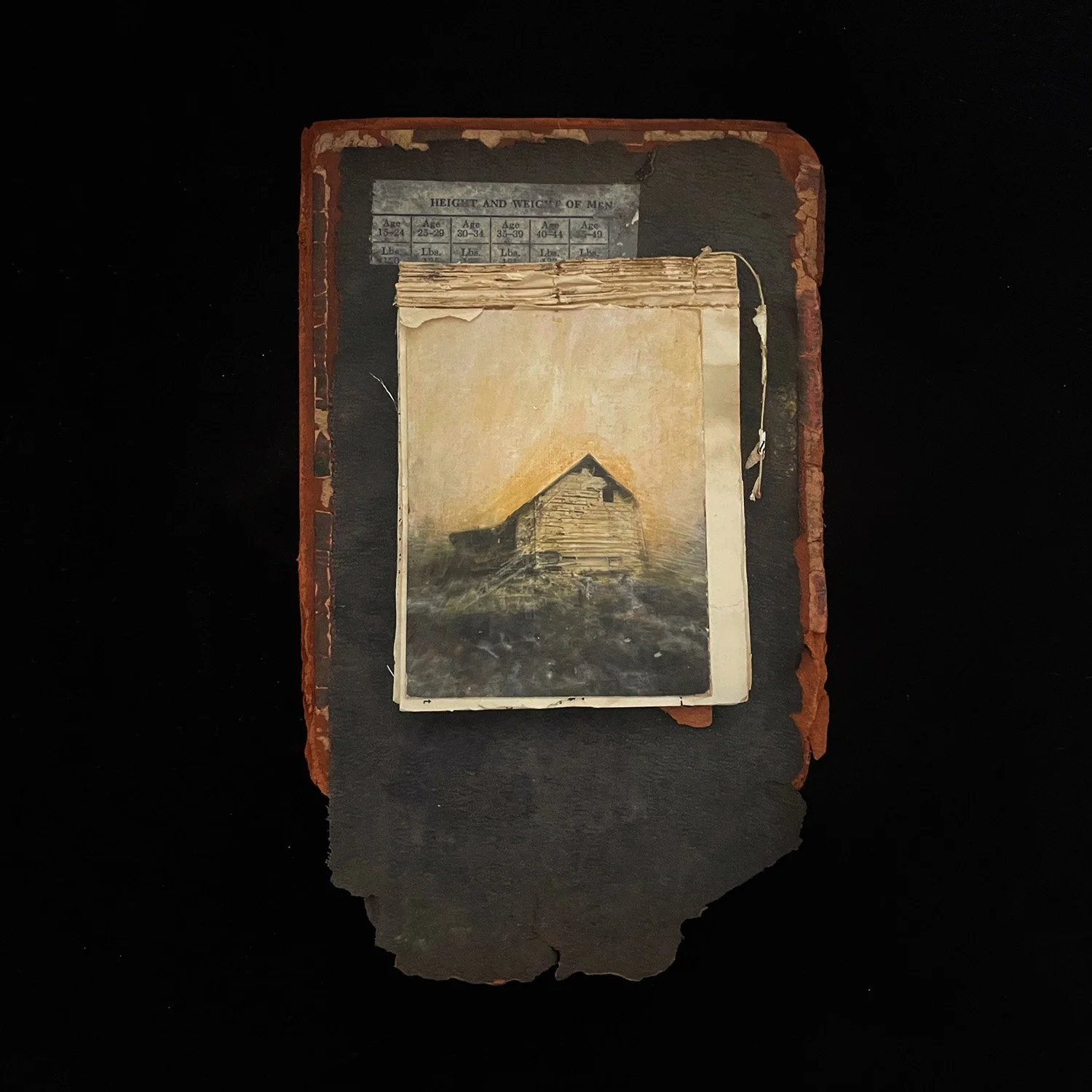
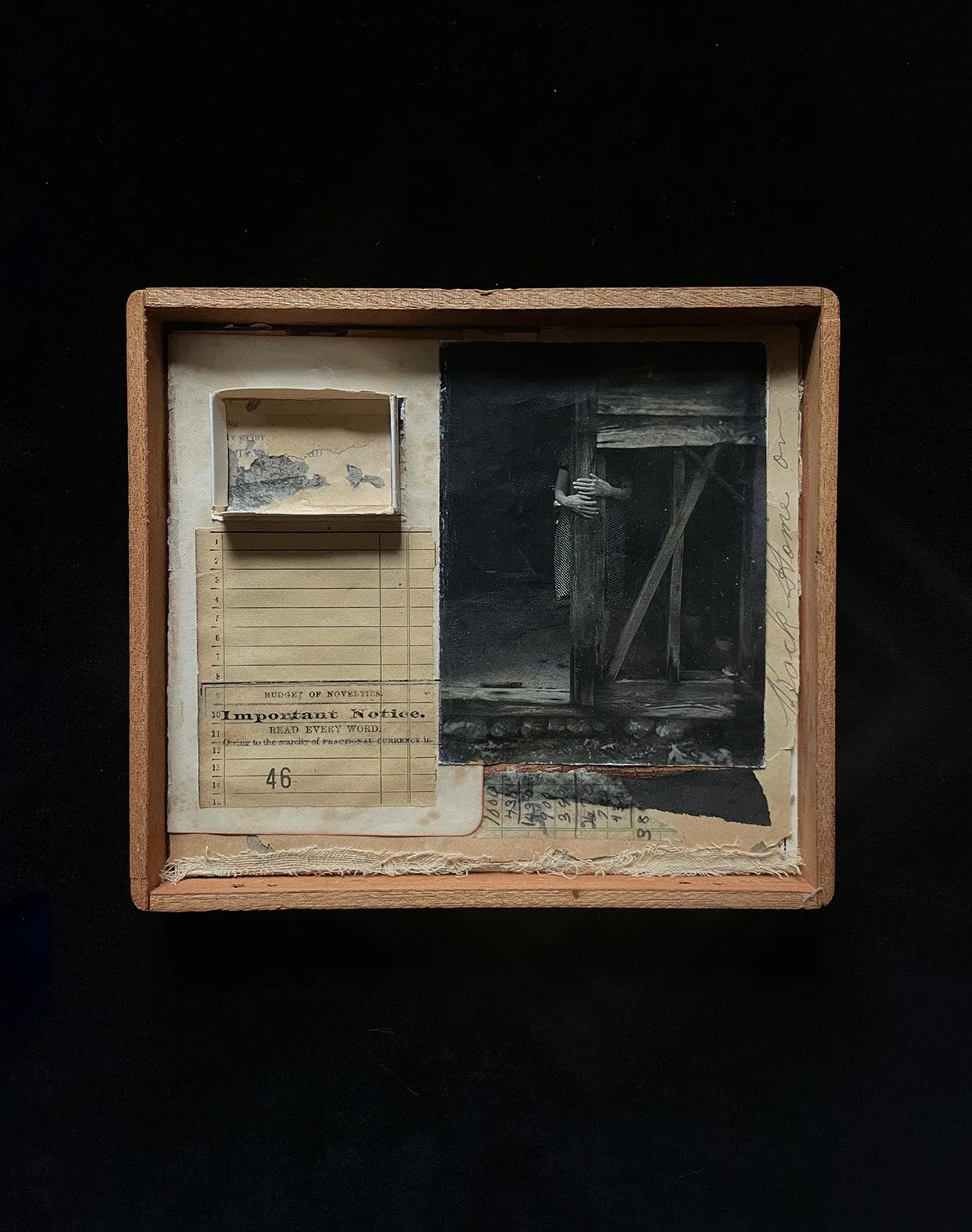
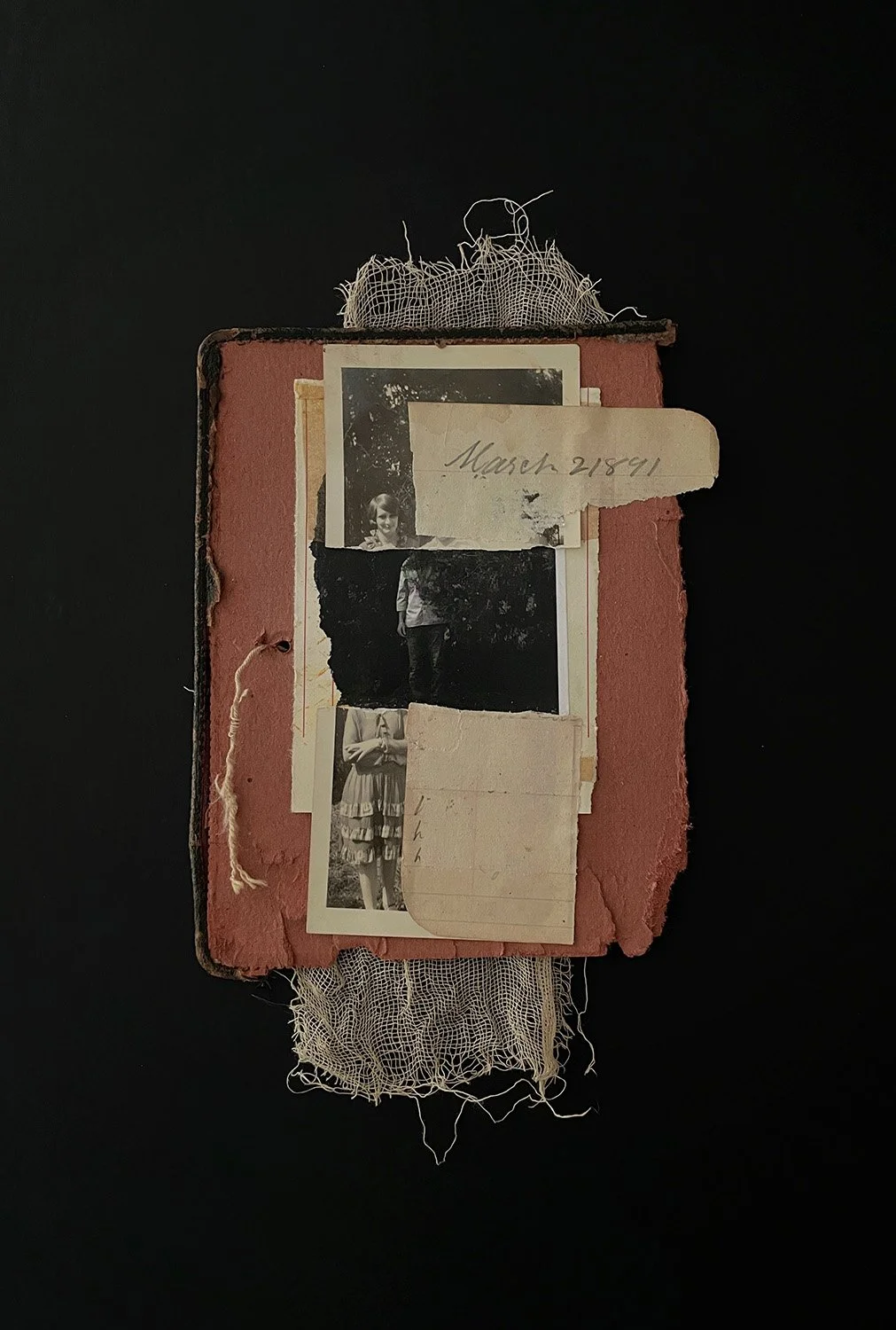
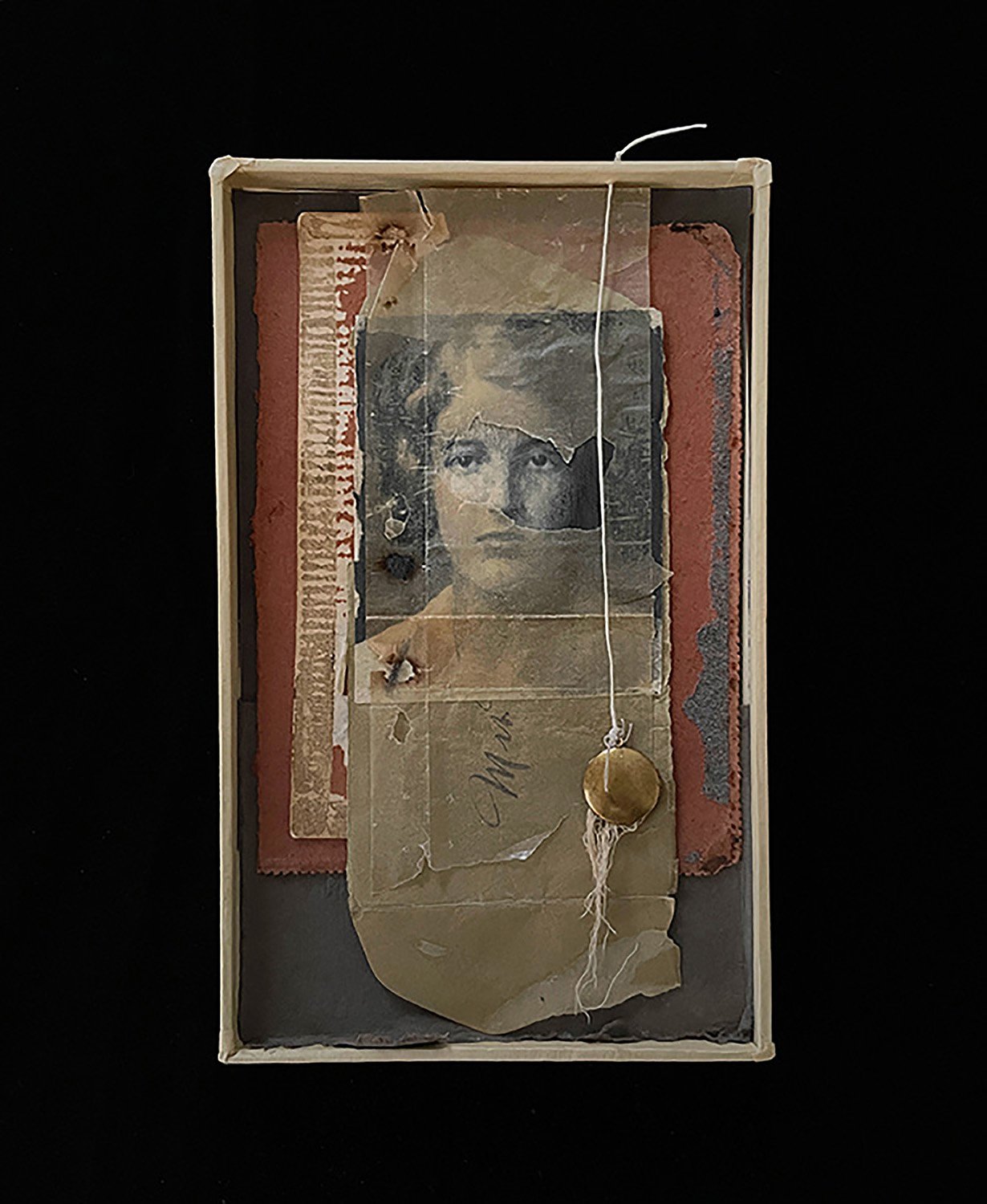
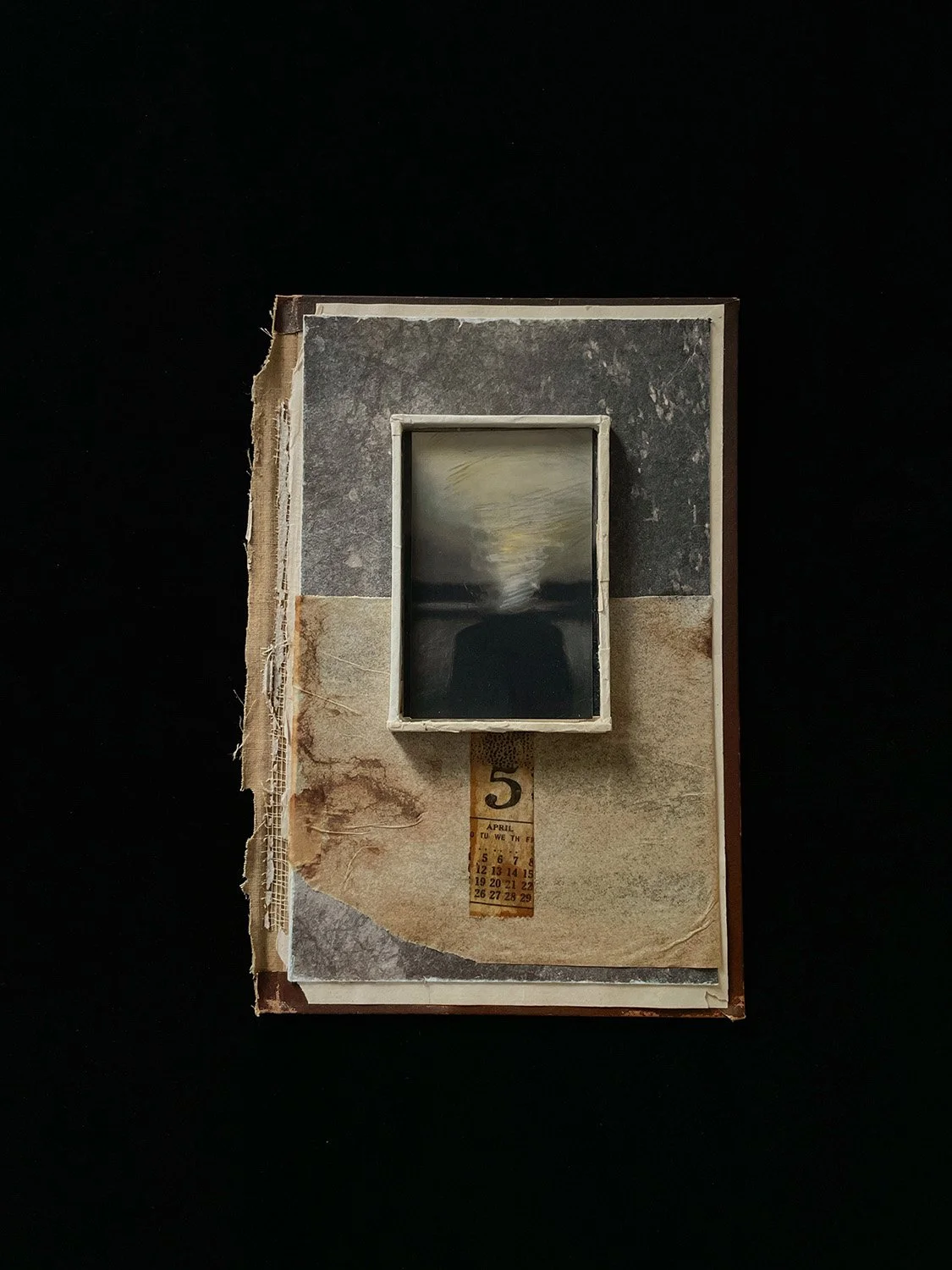
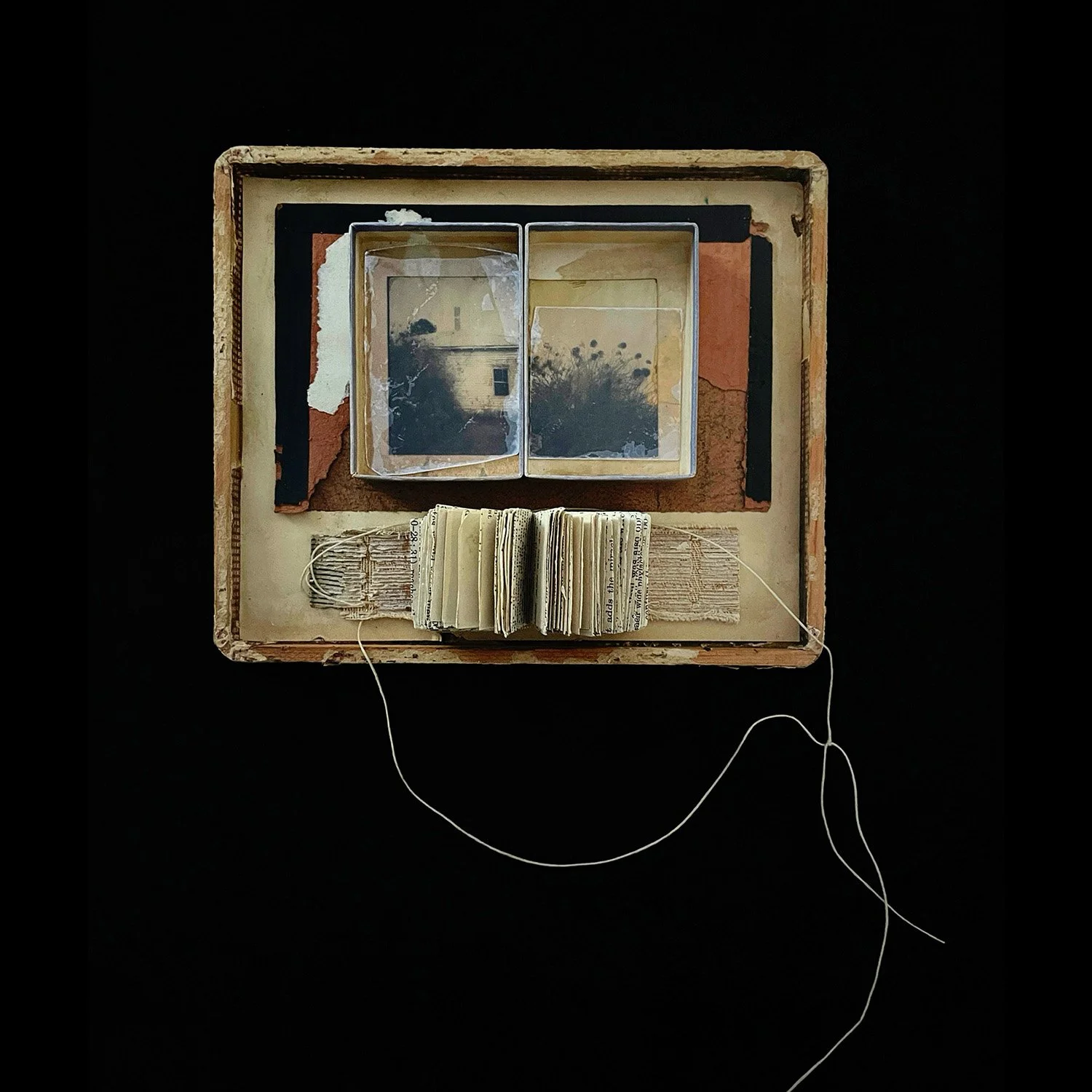
MK: I definitely see that in your work. Especially so regarding your Real But Not True series. You are taking those inner feelings and doing what artists do best–creating something tangible to get your point across. In addition, these transcend beyond a typical photograph, as they are assemblage-based as well. It looks to me that that only helps to broaden the intention and develop a narrative in a way that a single photograph cannot. Is this something that you prefer to do, or is it on a case-by-case basis?
DS: On a case-by-case basis, yes. I really love layers of meaning. If there are multiple elements, it gives me the opportunity to introduce visual cues for the viewer to discover. I wouldn’t always necessarily have the chance to do that with a single photograph. I feel the photograph is the star of the show and holds the starting point for the piece, however. The assemblage objects are supporting elements. For me, they wouldn’t hold their own without an image. I have made installations that don’t combine other elements, but are many photographs grouped in various ways. The photographs have the ability to become many stories, singularly and collectively.
MK: It's quite interesting seeing these narrative puzzles come together. Can you tell us more about Real But Not True? What brought you to create these works that I find so mysterious and intricate?
DS: Well, this work really started as an emotional response to a couple of things that I was wrestling with and continue to. I think the first piece of this work was finished early in 2022, when we were just coming out of the pandemic reckoning. Like many of us, my perception of myself and those around me had been challenged in unexpected ways. I started thinking about how fractured our world had felt and continues to…what we base our understandings on, how we inform ourselves, how we adjust to change….just a lot of things that were brought to light in a new way. I realized that a lot of my emotional responses felt extra intense, and it made me question myself and whether I was overreacting to things or not. I didn’t feel grounded in my reality. I was talking to a friend of mine about this, and she reminded me of the concept of “real but not true,” which talks about walking a balance between holding space for feelings but also examining distorted beliefs and limiting illusions. It really rang true for me about what was coming through in the art I was creating, and I decided to do a deep dive into it. I felt that I was finding my way through these feelings by pairing my own photographs with found photographs, incorporating objects, and collaging fragments of papers, photos, and other ephemera together. I’m trying to push through nostalgia, which can feel idealized at times, into a more expanded view of reality.
MK: This sounds like a project that might be a bit open-ended. Do you see it as something you might always work on at times, or do you feel it should be an idea you need to close the door on at some point? I already have a follow-up question to this as well.
DS: I think at some point it will be done, but what I can see happening is possibly a spin-off project that arises. Sometimes things will come up that are directly related to a current project that need their own space to grow and form, and I think I could see that happening with this body of work. And also, the process that I’ve been exploring with this project has been a lot of fun, and I can see that morphing into other things in the future as well. I think we as artists always continue to grow upon what we have previously discovered….always pushing forward and expanding outward.
MK: This actually brings up a secondary question I often ask that addresses this topic. How do you know when you’re truly finished with a specific body of work? Do you ever revisit images or collections to refine what you felt was previously finished?
DS: Well, as far as revisiting images….if it’s in my eyesight, it’s fair game to be cannibalised, lol. I generally don’t want to go back and revisit most of my projects, but I have been known to rip apart pieces within a project and rework them for other projects. I think that knowing when a project is done is just so difficult to describe because it’s (for me anyway), an internal knowing. I become less emotionally attached to the exploration of the project and realize that it’s drawing down to a close.
MK: I wonder then how intuition might play into your working process. Do you feel it is a driving force, or do you think that you work more mindfully when creating each piece?
DS: That’s an interesting question…..I would have to say, honestly, I think it’s a combination of both. I think that my intuition has the final say so in the piece. I also think intuition is what leads me down the rabbit hole as I create, but mindfulness is always present with its intention and its ability to calmly and more objectively look at the piece I’m working on. It’s a real give and take between the two, and they are both equally important, whether I’m experimenting or I’m working on a piece that I hope will have a finished outcome.
MK: You mention experimentation. It’s easy to see a certain aesthetic within the different bodies of work you’ve created, no matter how they may have been made. Does experimentation with different processes ever lead you to ideas that evolve into a new body or work? And do you try out something new on occasion just for the joy or curiosity of it?
DS: I have a daily practice of trying out new things. I keep collage journals, I build new book structures, and I play with other mediums and substrates. They are like a tickler file for me to refer to and build upon in the future…or not. Some things I play with, and I quickly realize are not my style, but I still had so much fun just making them. The Real But Not True project was born out of experimenting with different processes. It quickly evolved into a kind of new language for me, and I felt like the process was cohesive. After the pieces started coming together, I realized the story they were telling and the emotions I was feeling behind their creation. I like when all the pieces come together with what I’m experimenting with, but I also like to just play with absolutely no expectation that anything will come of it. All of it helps me connect the dots creatively.
MK: It’s very inspirational to hear that you continually push boundaries and try new things so often. I think others will get a lot out of reading this and hopefully adopt some of these ideas when working on their artistic practice. Since you’ve done so much exploring in this medium, I have to ask: looking back to the beginning, what is the one thing you wish you'd known when you started making photographs?
DS: I wish I had had a poster hanging in my room that read “Sacred Cows Make Great Hamburgers,” lol. A friend of mine from art school and I lament on a regular basis about how it took us soooo long to break free from traditional expectations and give ourselves permission to do the weird things. I wish I had known that although it can be really beneficial to learn the rules, it’s more important to break them.
MK: Excellent! I love that. And so, so true. Ok, one more question while shifting gears a moment: What about promoting your work? What do you feel works the best? Is it social media, portfolio reviews, or direct gallery engagement? Something else entirely?
DS: Ideally, it’s a combination of all those things, but most importantly, I think, it’s genuinely connecting with other artists and building connections with them and supporting them. I would say most of my getting to meet other artists has come from social media. Not many of us like promoting our work, and I don’t feel I do a very good job of it. I don’t send out newsletters, I seldom submit to calls for work, and I have participated in very few portfolio reviews. But connecting with other artists via social media has become a really important space for me to meet both virtually and in real life, other artists, and we learn about each other’s work, and for me, that has felt right.
MK: Oh wow, I so understand this. I would agree that social media has been a savior in the long run. These days, I engage so little compared to “the old days”. But then you can attribute this very interview to a connection via social media, right? What I also know is that so many more people are paying attention to you on social media than you even realize. Engagement numbers are meaningless. It’s the human connection that follows. Ok, Dawn, final question… for one million dollars… oh, wait, never mind. Ha! Honestly, my final question is: what are you working on next? I know Real But Not True isn't quite done yet, but is there anything else, from a creative standpoint, that you are committed to?
DS: Yes, it has. When I first started my Instagram account, it was just for fun. I never would have dreamed of the strength of the community that has been built there over time, and it’s such a true gift.
There are a couple of projects that have been waiting in the wings for a bit now. I think one of them will be going in the direction of another small series of handmade books. I think I am seeing an offshoot project starting to come together from Real But Not True, but I need more time to sit with those ideas. Those would be the big projects, and then I just want to continue experimenting with materiality and combining mediums with my photography. Now…where’s that million dollars?
GALLERY
ABOUT THE ARTIST
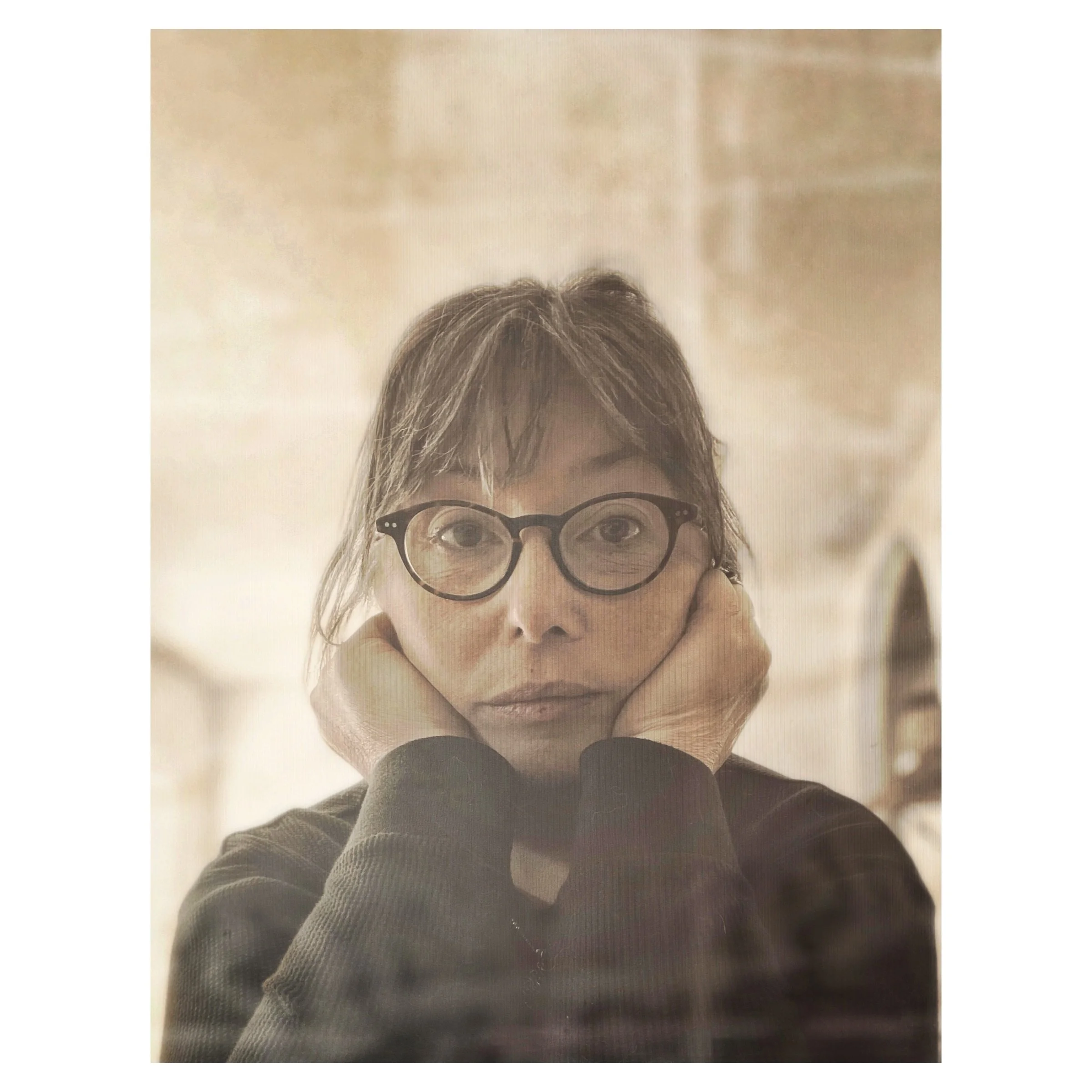
Dawn Surratt earned a B.A. in Studio Arts from the University of North Carolina in Greensboro and a Bachelor and Master’s Degree in Social Work from the University of Georgia. Her years of work with dying patients in hospice settings is the backbone of her imagery combining photographs with photography based book structures, installations, and objects as visual meditations exploring concepts of grief, transition, healing and spirituality.
She has exhibited in galleries across the United States and internationally including The Center for Fine Art Photography, Griffin Museum of Photography, Maine Museum of Photography and Casa Regis Center for Culture and Contemporary Art in Biella, Italy . Her work has been widely published for book covers and publications such as Lenscratch, SHOTS, Diffusion,The Sun and The Hand. She was a 2016, 2020 and 2024 Critical Mass Finalist and her work is held in collections across the United States including the Peabody Essex Museum, the Griffin Museum of Photography and the Rubinstein Library at Duke University. She is a 2018 nominee for the Royal Photography Society’s 100 Heroines.
Dawn is a full time artist living in rural North Carolina.
ABOUT THE AUTHOR
Michael Kirchoff is a photographic artist, independent curator and juror, and advocate for the photographic arts. He has been a juror for Photolucida’s Critical Mass, and has reviewed portfolios for several fine art photographic organizations and non-profits in the U.S. and abroad. Michael has been a contributing writer for Lenscratch, Light Leaked, and Don’t Take Pictures magazine. In addition, he spent ten years (2006-2016) on the Board of the American Photographic Artists in Los Angeles (APA/LA), producing artist lectures, as well as business and inspirational events for the community. Currently, he is Editor-in-Chief at Analog Forever Magazine, Founding Editor for the photographer interview site, Catalyst: Interviews, Contributing Editor at One Twelve Publishing, and the Co-Host of The Diffusion Tapes podcast.
RELATED ARTICLES
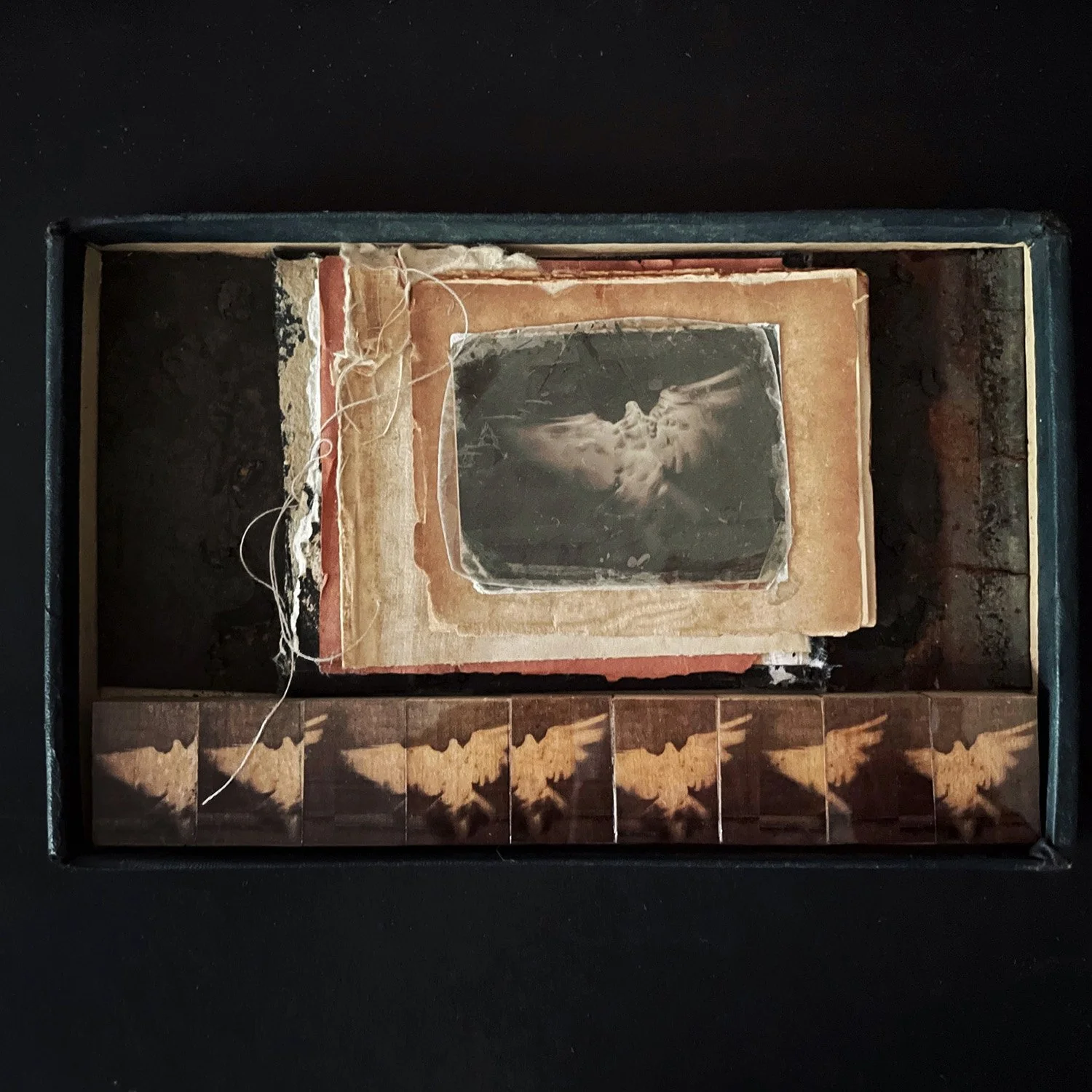
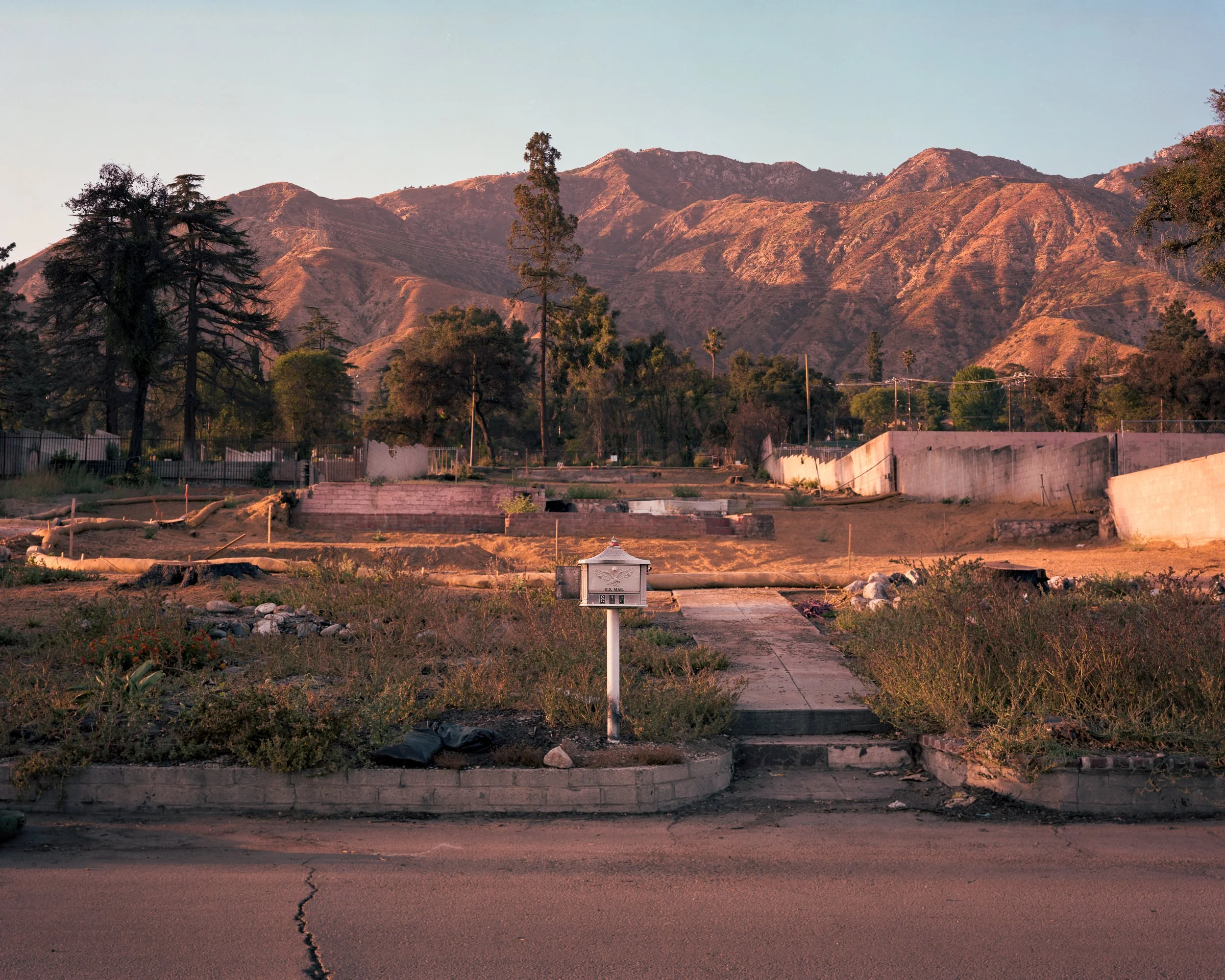


In rural Kansas, large-format photographer and master printer Michael Strickland is pushing traditional printmaking to extraordinary lengths. For his Of the Earth series, Strickland grinds soil, clay, and charred wood gathered from the landscapes he photographs into pigments for his color carbon prints, physically embedding the land within the finished work. We spoke with Strickland about process, place, the disappearing craft of photographic printmaking, and why the physical print still matters.